
How Our Experts Ensure Safe & Ethical Stem Cell Treatment?

Summary: Stem cell therapy requires strict safety, ethical sourcing, and medical supervision. Unregulated procedures pose risks, making evidence-based regenerative medicine and compliance with regulatory standards essential for patient protection and trustworthy outcomes. As awareness for stem cell therapy grows worldwide, people are also getting aware about dangers involved in using unethical clinics and the treatment methods being used. Choosing a stem cell clinic based on the outcome alone will do the patients no favors. Because choosing an ethical stem cell clinic means that one considers the safety of the process along with other factors. This is where Global Regenex differs from others. At Global Regenex, our team of doctors believes in putting the needs of the patient first by ensuring that there is proper science and clinical practice in their procedures. Why Safety & Ethics Matter in Stem Cell Therapy? Regenerative medicine is becoming an increasingly significant field which attracts the attention of many researchers and experts. They want to explore stem cell therapy for its potential benefits regarding healing processes and treatment of various diseases. Along with this development of the field, numerous dangers and risks associated with possible manipulation with patient’s health appear and require particular considerations on their behalf to prevent future problems. Developments of Regenerative Medicine Worldwide Increasing interest in regenerative medicine throughout the world has opened up many opportunities for people in need of innovative medical help for different diseases and injuries. Possible Dangers Connected with Irregular Application of Stem Cells Irregular application of stem cells can become dangerous because of infection, contaminated or low-quality material used for injections, or non-medically controlled procedures. Need for Medically Supervised Therapy The importance of medically supervised stem cell therapy is to guarantee the proper screening, consultation, and treatment plan of the patients according to the latest clinical research findings. Ethical Issues Surrounding Stem Cell Sources Ethical collection of stem cells still plays an important role in responsible use of regenerative medicine. Legitimate clinics always observe ethical procedures for the collection and processing of stem cells as well as informed consent from their patients. FDA & Global Standards Compliance Reputable regenerative medicine specialists abide by the accepted norms in the field of medicine and follow FDA or other international standards for healthcare, if any. Ethical clinics never make unrealistic promises to their patients. Why Patients Trust Global Regenex for Safe & Ethical Stem Cell Therapy? With increasing attention towards regenerative medicine, patients have become choosy about receiving stem cell treatments. The creation of trust is achieved through medical transparency, ethical integrity, and a commitment to patient safety. Every approach at Global Regenex focuses on the importance of evidence-based treatment, personalized approach, and responsible practice. The emphasis is always made to assist our patients in making better decisions when it comes to their health in line with the principles of regenerative medicine. Patient-First Philosophy: The patient-first philosophy is adopted by Global Regenex, which stresses safety, education, comfort, and setting realistic expectations at every step of the process. Medical Transparency: Patients are given complete information related to the treatment procedure, its advantages, limitations, and possible outcomes to be able to make an informed decision. Personalized Treatment Plans: Each client is subjected to an extensive medical examination before a treatment plan using regenerative medicine can be formulated to suit his/her case. Ethical Responsibility: Ethical considerations will always play a key role in the clinic, including the use of ethically sourced stem cells, obtaining informed consent, and complying with medical practice guidelines. Patient-Safe Procedures: The clinic places a lot of emphasis on procedures that promote safety and ensure quality control for the safety of patients undergoing stem cell therapy. How We Stay Updated With Regenerative Medicine Advancements? At Global Regenex, we feel that responsible use of regenerative medicine means constant learning and scientific consciousness. The staff remains updated regarding new developments in regenerative medicine by undergoing ongoing medical education, gaining clinical experience, and reading up about regenerative medicine studies. We keep ourselves abreast of developments in stem cell research, treatments, and patient safety standards. By remaining scientifically conscious and making progress in our professions, we can achieve both high standards and adaptability in regenerative medicine in line with medical knowledge. Bring It All Together With further development of the field of regenerative medicine, patients deserve to receive treatment in a way that is safe and ethical. Global Regenex continues to uphold the principles of scientifically based stem cell treatments, medically sound procedures, and individually focused treatments. By continuing our research efforts, practicing ethical standards, and providing medically supervised treatment, we hope to promote responsible healthcare practices. Contact us now and check it by yourself. Question That Are Frequently Asked Q1. What are the potential dangers associated with unregulated stem cell treatment? Ans: The possible dangers include infection, immune response, contamination, substandard results, and lack of medical validation or oversight of treatments. Q2. Why is medical oversight important? Ans: Medical oversight ensures that treatments have a proper assessment of a patient, procedures that are safe, diagnostic processes, and constant monitoring. Q3: How does one define ethical stem cell sourcing? Ans: Ethical stem cell sourcing involves acquiring stem cells in an appropriate manner with consent, transparency, and adherence to medical guidelines and regulations. Q4. What should the patients do before beginning a treatment? Ans: It is imperative for the patients to verify their clinics’ qualifications, oversight, medical evidence, ethical approach, and legality before initiating treatment. Q5. Why should you select a reputable stem cell clinic? Ans: Selecting a reputable stem cell clinic ensures that you obtain quality treatment in a reliable facility above anything else. References FDA – Cellular & Gene Therapy Overview Regulatory guidance ensuring safety standards for cell-based medical therapies FDA Cellular & Gene Therapy Products NIH Stem Cell Information Trusted national resource explaining stem cell science and ethics clearly NIH Stem Cell Information ClinicalTrials.gov Registry Database listing registered clinical trials including stem cell studies worldwide ClinicalTrials.gov WHO Health Topics – Biotherapeutics Global health guidance on biological therapies and regenerative medicine safety
Complete Guide for International Patients Traveling to India for Treatment

India offers affordable, advanced, and patient-focused healthcare with experienced specialists, modern hospitals, shorter waiting times, and growing regenerative medicine services, making it a trusted destination for international medical tourism and stem cell therapy. Currently, India stands as one of the most preferred nations for receiving medical tourists around the globe with almost two million foreign patients visiting the country annually. This can be attributed to its well-equipped hospitals and skilled healthcare professionals who provide affordable and efficient healthcare services to patients from Africa, the Middle East, Europe, and Asia who seek advanced medical procedures like stem-cell therapy. The greatest benefit associated with receiving medical care in India is the low costs compared to that in many Western nations. Other benefits include reduced waiting periods, availability of advanced technology, as well as personal care for patients. Moreover, there are medical professionals who speak English. Why Do International Patients Choose India for Medical Treatment? In the past years, India has managed to establish itself as a country that provides international patients with high-quality medical care services. India integrates its well-equipped healthcare facilities, professional specialists, affordable treatment, and patient-oriented services. The patients seek stem cell therapy and other advanced medical treatments from India due to their ability to obtain medical attention, personalized services, and admission to internationally accredited healthcare facilities in one healthcare setting. Affordable Healthcare in Comparison with the West Healthcare services cost less in India than in developed countries such as America, the UK, and Canada. The patients are able to access advanced medical facilities at much cheaper prices without compromising on quality. Affordable accommodation and rehabilitation services further reduce the costs associated with health services. Well-Known Doctors & Specialists Indian doctors are known for their clinical skills and vast years of experience. There is a good number of healthcare professionals who have received their education overseas. Specialists from various departments come up with personalized treatment approaches. Modern Hospital & Advanced Medical Equipment Hospitals of India are equipped with innovative diagnostic equipment, robots, and advanced treatment technology. International medical standards and norms are followed by many clinics. Specialized departments in regenerative medicine and stem cell therapy keep growing. Short Waiting Time Consultations, diagnoses, and appointments are given quickly. Access to healthcare professionals makes decisions and treatments timely. International Patients’ Care Hospital staff provide support regarding transportation, accommodation, medical visa arrangements, and aftercare programs. Doctors and other medical professionals speak English fluently. Personalized patient services are provided for the convenience of foreign patients. Most Popular Treatments International Patients Seek in India India draws foreign patients seeking various medical solutions and complementary therapies. The country has gained a reputation for offering expert physicians, latest medical technology, and reasonable treatment plans in many fields. Many foreign patients visit India for their disease management needs, rehabilitation assistance, and regenerative medical procedures like stem cell therapy under expert supervision. Orthopedic Disorders Various patients are known to undergo treatment for disorders such as osteoarthritis, sports injuries, spinal disorders, joint pains, etc. Orthopedic treatments, rehabilitation courses, and regenerative treatments are accessible. Infertility and Reproduction Many patients prefer to get infertility and reproduction assistance in India. Specifically designed fertility centers treat patients based on individual cases. Autoimmune Diseases Foreign patients consider supportive treatments for autoimmune disorders including rheumatoid arthritis, lupus, and multiple sclerosis. A multidisciplinary approach contributes to better symptom relief and improved quality of life. Anti-Aging & Wellness Therapies Regenerative and wellness-based treatments are gaining popularity in patients who require anti-aging care services. Wellness programs are personalized towards achieving recovery, enhancing vitality, and preventive measures. Organ-Specific Diseases Diseases affecting the liver, kidneys, heart, brain, lungs, and other organ-specific issues are sought after. Specialized treatment is provided in India with state-of-the-art diagnosis and expert doctors. Eye Disorders Patients opt for various treatments concerning retinal disease, cornea, cataract, and other vision problems. Advanced eye centers offer comprehensive surgical and nonsurgical eye treatments. Global Regenex — Best Stem Cell Therapy Centre In India Global Regenex is known for providing innovative treatments in the field of regenerative medicine and stem cell therapy with a focus on the individual needs of patients. At Global Regenex, there is an integration of modern healthcare facilities, medical expertise, and customized treatment programs for local and foreign patients interested in supportive treatments of certain conditions. Focus on regenerative medicine and highly specialized stem cell treatments Medical experts and multidisciplinary health services team Customized treatment plan according to patient’s ailment and diagnosis State-of-the-art facilities with modern medical equipment Facility for international patients including consultation and post-treatment care Supportive treatments for orthopedic, neurological, autoimmune, and wellness issues It is recommended that interested patients first consult our physicians to be advised about the suitability and effectiveness of the therapy. Let’s Tie It All Together The Indian medical tourism industry continues to solidify itself as a destination that offers reliable healthcare at competitive prices. With qualified doctors, state-of-the-art facilities, and patient-focused care, foreign visitors have access to reliable healthcare services across different branches of medicine such as stem cell therapies and regenerative medicine. Questions That Are Frequently Asked Q1. Is stem cell treatment available in India? Ans: Yes, there are numerous specialized clinics offering stem cell treatment and regenerative medicine in India under professional medical supervision and assessment. Q2. Why do people from abroad prefer medical care in India? Ans: The cost-effective health care, experienced professionals, state-of-the-art hospitals, quick access to treatments, and additional assistance for foreign patients make India an ideal destination for medical care. Q3. Is medical care provided at lower prices in India? Ans: Indian health care is considerably cheaper than Western health care without compromising on the infrastructure and professionals. Q4. Are international patients assisted by the hospitals in India? Ans: Yes, various hospitals in India offer visa help, airport pick-ups, hospital admission, interpreters, and post-surgery arrangements for the convenience of international patients. Q5. Are state-of-the-art medical facilities used in Indian hospitals? Ans: Yes, hospitals in India have state-of-the-art diagnostic tools, modern operating theaters, latest regenerative medicine procedures, and international standards of patient care References National
Autoimmune Diseases & Stem Cells: A New Treatment Approach

Summary: Autoimmune diseases cause chronic immune attacks on healthy tissues. Stem cell therapy and regenerative medicine are being researched for immune regulation, inflammation reduction, and tissue repair under professional medical supervision. The number of people affected by autoimmune diseases across the globe is increasing, resulting in suffering from chronic inflammatory processes and immune disorders. Although standard medical therapies might help reduce the symptoms of such diseases, some patients may continue suffering from side effects and complications associated with the treatments. It is one of the reasons for discussing the potential use of regenerative medicine and stem cell therapy. Scientists are investigating ways stem cells could be used in balancing the immune system in particular cases of autoimmune diseases. Stem cell therapy is a developing field where success can depend on an individual patient. What Are Autoimmune Diseases? An autoimmune disorder is a condition where the immune system fails to protect the body from various diseases by attacking its own healthy cells. Such disorders can cause problems like chronic inflammation, damage to organs, fatigue, and other serious health issues. Some experts suggest that genetic factors along with environmental elements, such as infectious agents, smoking, stress, etc., are responsible for causing autoimmune disorders. Some common examples of such diseases are rheumatoid arthritis, lupus, psoriasis, multiple sclerosis, Crohn’s disease, and diabetes. Millions of people across the globe suffer from some kind of autoimmune disorder. How Stem Cells May Help Autoimmune Diseases? Stem cell treatment is among the fields that have been examined as a form of regenerative medicine due to their possible application in the treatment of autoimmune conditions. The most intriguing type of stem cell under investigation includes Mesenchymal Stem Cells (MSCs) that can help in controlling abnormal immune responses and promoting tissue regeneration. Despite being still an area of ongoing research, studies show promising results so far. Immune modulation: The stem cells might also be able to modulate the immune response in the body via interactions with other immune cells such as T-cells, B-cells, and natural killer cells. Inflammation reduction: The stem cells might be involved in the reduction of the secretion of inflammatory cytokines that cause inflammation and auto-immune reactions. Tissue regeneration and repair: Some scientists are looking at the possibility of the stem cells being used to help repair the affected tissues including joints, nerve tissue, skin tissue, and intestinal tissue. Immune system reset: In some advanced treatments using stem cells, there is an effort to rebuild the immune system through this method. Cytokine regulation: The mesenchymal stem cells could be helpful in creating an anti-inflammatory cytokine environment that will improve the immune response in some patients. Types of Stem Cell Therapy Used in Autoimmune Conditions In relation to stem cell transplant in the treatment of auto-immune disorders, these can be broadly categorized into two types: autologous and allogeneic transplants. The former is under consideration in regenerative medicine for treating certain individuals suffering from chronic and hard-to-treat auto-immune disorders. Autologous Stem Cell Transplant The autologous transplant involves the use of stem cells derived from the patient itself through bone marrow extraction or blood transfusion prior to the treatment. The process involves suppressing the immune system followed by the introduction of stem cells. Lower chances of immune rejection Can aid in resetting abnormal immune reactions Mostly tested on cases of serious autoimmune disorders Recovery takes several weeks to months based on health conditions Allogeneic Stem Cell Transplant This type of transplantation involves the use of stem cells from a compatible donor. The goal here is to substitute malfunctioning immune cells with healthier ones. Strong immune system replacement can be achieved Graft-versus-host reactions and increased susceptibility to infections possible Recovery may be lengthy and requires careful monitoring Compatibility and extent of disease determine its applicability Potential Benefits of Stem Cell Therapy for Autoimmune Diseases The evolution of regenerative medicine techniques has sparked further interest into using stem cells to assist in the treatment of autoimmune disorders. The research regarding the use of stem cells in modulating the body’s immune system and promoting regeneration is still ongoing. Symptom Relief: Helps in reducing chronic pain and fatigue associated with autoimmune diseases. Increased Movement Ability: Some patients may experience enhanced physical capabilities and flexibility. Less Inflammation: Possible positive influence on the body’s immune responses and decreased inflammation. Enhanced Quality of Life: Can improve the overall quality of life of the patients. Decreased Drug Dependence: Certain patients may not need many medications as before. As Has Been Demonstrated, As more studies have been done on regenerative medicine, stem cell therapy is becoming increasingly popular because of its use in dealing with autoimmune conditions. It can help restore immune balance and reduce inflammation in the body, but since it is still a relatively new technique, results may differ from patient to patient. Questions That Are Frequently Asked Q1. Is stem cell therapy approved for all types of autoimmune diseases? Ans: Currently, not all autoimmune diseases can benefit from stem cell therapies since the field is relatively new. Q2. Are there any risks involved with stem cell therapy? Ans: Risks may be linked to infections, allergic reactions, side effects, and varying outcomes based on the recipient’s overall health condition. Q3. Which people need to consider stem cell therapy as a treatment option? Ans: People dealing with autoimmune diseases in which conventional methods are inefficient should talk to medical and transplantation specialists about this therapy. Q4. What autoimmune diseases are under study with stem cell therapy? Ans: Multiple sclerosis, lupus, rheumatoid arthritis, Crohn’s disease, psoriasis, and type 1 diabetes are among autoimmune diseases that scientists focus on. Q5. How can chronic inflammation affect your health? Ans: Inflammation can cause organ, joint, nerve, or tissue damage, resulting in such symptoms as fatigue, discomfort, decreased mobility, etc. References NIH Stem Cell Information – Explains stem cells, research applications, and regenerative medicine basics. NIH Stem Cell Information MedlinePlus Autoimmune Diseases – Overview of autoimmune diseases, symptoms, causes, and immune dysfunction. MedlinePlus Autoimmune Diseases NIEHS Autoimmune Diseases – Discusses immune system
Latest Advances in Regenerative Medicine for Chronic Back Pain
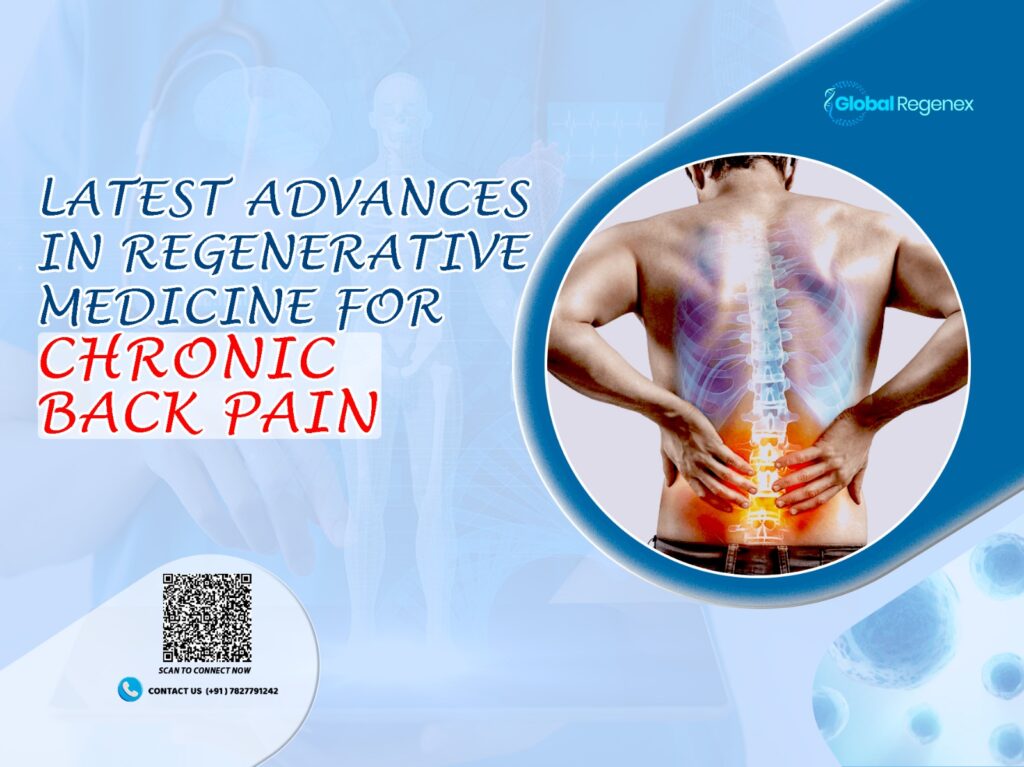
Summary: Learn why regenerative medicine is being explored in research for chronic back pain, how far research has come, what the latest advancements are, and how one can be eligible for the treatment. Chronic back pain doesn’t have one clear reason. Many people can suffer from chronic back pain for different reasons—whether it is due to injury, posture-related strain, degenerative changes, or more. Over time, it can start to influence your daily movement and work life and even makes hard to sleep. For many years, the standard treatment method has revolved around pain management and functional improvement by means of physiotherapy, medicines, and even surgeries when necessary. Although all these methods prove effective for many patients, some still investigate new directions such as the regenerative medicine treatment. As a result, an increasing number of people became interested in exploring how the body’s natural repair mechanisms are studied in research. However, it is also necessary to differentiate between already investigated options and the remaining under research. Understanding Regenerative Medicine and Its Applications For patients considering regenerative medicine for back pain, it becomes important to understand how the treatment works before undergoing the procedure. As the idea of regenerative medicine is strongly based on—whether the body can be helped to repair itself rather than just managing the symptoms. Regarding chronic back pain, this involves investigating the ways that biology affects the reaction to tissue in the back. Rather than addressing the symptom of pain management, the focus is placed on exploring the way the underlying structures, like discs, ligaments, and surrounding tissues, respond over time. This is one of several techniques under investigation, each at different levels of development, none of which has been established as accepted practice. The Role of Stem Cells in Back Pain Treatment The reason why researchers are increasingly studying stem cells for back pain comes from how they may interact with inflammation and tissue response. Instead of concentrating on repairing the damaged parts of the spine, present-day stem cell therapy is more concerned with figuring out whether stem cells have an impact on the environment surrounding injured tissue. These aspects include their involvement in: sending biological signals that may influence healing processes participating in inflammation influencing the reaction of tissues in the long term Currently, results have been inconsistent. Some studies have shown promise for certain applications, whereas others have found little efficacy. Inconsistency is one of the factors contributing to the continued research in this field. PRP Therapy in Chronic Back Pain: What Research Is Exploring Another part of regenerative medicine is platelet-rich plasma (PRP) therapy, being explored by researchers and practiced in strict clinical settings. PRP therapy includes the use of substances extracted from the patient’s blood that contain growth factors. They are currently being investigated to establish their ability to help heal various musculoskeletal disorders, such as back pain. Some areas where PRP is currently under investigation include: injuries to soft tissues problems related to ligaments beginning degeneration Although some patients claim to have seen some positive results, the effects are not the same for everyone. Tissue Engineering and Its Impact on Spinal Treatment As research continues to grow. The focus has shifted beyond just cells to also include their surrounding environment Tissue engineering deals with how supporting structures, known as scaffolds, can be combined with biological strategies. These supporting structures serve to aid the functioning of the cells and hold them in place. In the context of spinal studies, the following may be investigated: aiding injured disc structures promoting tissue stability increasing biological interactions in the spine As noted above, it is an emerging concept that focuses on biological engineering. The Future of Gene Therapy in Regenerative Medicine Another area in regenerative medicine that is actively being researched is gene therapy. This therapy involves examining whether a patient’s specific gene can help influence how tissue responds to damage or degeneration. To shine a light on back pain research, the focus is on understanding if these changes can affect inflammation or tissue repair at a deeper level. Although it remains in its infancy, this marks a departure towards a more focused approach. Most developments in this area are still in the research stage. Need Expert Advice: Global Regenex When considering regenerative medicine treatments for chronic back pain, it is very common to receive misleading information because such treatment techniques have been developed recently and require further investigation. In order to understand all the types of their application to your individual case, it is necessary to consider this issue carefully. Consulting with the team at Global Regenex can help you understand what is relevant based on your condition and current research. This will allow you to be confident in your decision-making process. The Concluding Thoughts Chronic back pain often needs a steady, long-term approach to manage rather than one quick solution. While traditional treatment helped manage the symptoms for years—regenerative medicine is now being explored as a developing area of research, but still remains an evolving area rather than evidence-based care. Being aware of the possibilities as well as the limitations will help in making wise decisions. With proper guidance, individuals can proceed to evaluate promising innovations alongside effective treatments. Frequently Asked Questions Q1. Why Does Chronic Back Pain Not Improve Easily In Some Cases? It is because chronic back pain is often caused by various issues, like disc degeneration, muscle problems, and inflammation. Due to this, the recovery becomes slow and may require a combination of therapies. Q2. Why Is Regenerative Medicine Different from Conventional Therapies? Regenerative medicine concentrates on the way the body reacts to the process from a biological perspective, but it is still being investigated and not applied regularly. Q3. Is PRP Therapy Commonly Used For Chronic Back Pain? PRP injections are currently being researched for several musculoskeletal conditions, among which is back pain. However, the effectiveness of this method varies significantly. Q4. Can These Approaches Help Avoid Surgery Completely? Not yet. Standard treatments, including medication, physiotherapy, and in some
Is Stem Cell Therapy Safe? Risks & Benefits Explained
Summary: Understand how stem cell therapy is being studied, what potential benefits and risks are known, and why it remains investigational rather than part of routine treatment. In most cases, when people first hear about stem cell therapy, the first thing that comes to their mind is that—whether this treatment is safe for clinical use. Just as with every new treatment, stem cell therapy is also present as an area of ongoing research in medical science, but the reality is more significant than people often see. Currently, there are several research studies being conducted in regenerative medicine and some other related areas, which have led to encouraging results in some cases. However, at the same time, not every outcome has been clearly established yet. This can unintentionally create expectations, even when evidence is still growing. As a result, this makes it important for people to understand both potential benefits and risks before considering undergoing stem cell therapy in India. Overview of Stem Cell Therapy Stem cells are regarded as unique cells because they are capable of developing into other cells of the body. Since these cells do not serve a specific function, they are being studied for their potential role in repairing and regenerating damaged cells or tissues. In simple terms, stem cell research is not based on instant healing. The goal is to investigate whether or not these cells can affect inflammation or tissue reaction. There are many different types of cells that can be considered when dealing with certain issues. Nonetheless, there is no one-size-fits-all method for every disease. Current Legal Regulations and Guidelines For the patient, before undertaking any new or investigational treatment, one of the most important things to understand is where this therapy stands legally and how much it has evolved to become legally safe. Stem cell therapy, except for the use of hematopoietic stem cell transplant, is not approved as a treatment method in India. It is regarded as experimental and can be performed only through clinical trials. This implies that: It should not be used as a regular treatment It must comply with stringent research procedures Ethical considerations are strictly observed Knowledge about the treatment prevents any misconceptions or misunderstandings. Common Myths About Stem Cell Therapy As the research in regenerative medicine, particularly in stem cell therapy, has progressed, it has gained attention as an area of research. However, before considering stem cell therapy, it’s important for patients to differentiate between what is information based on evidence and just a myth. There’s a lot of information circulating, and not all of it is accurate. Myth: Stem cell therapy as a Cure It is very unlikely for a reputable specialist to claim stem cell therapy as a cure. It may help in some cases and under some conditions, but a cure is too much–and setting such expectations means setting yourself up for disappointment. Myth: It can only be used in extremely serious cases This myth scares many patients from asking even one question. The areas researched by specialists range from joint degeneration to neurological disorders and immune system dysfunction–most of which are not necessarily threatening a patient’s life but are still in the investigational phase. Myth: Quick results will be visible When it comes to improvement, patient tend to improve from their condition gradually—over weeks and months rather than in days. A patient who expects results quicker often thinks the treatment does not work while the process is still underway. Myth: The whole industry is unregulated There have been concerns about unregulated practices in some settings, but there are research labs that overpromise and under-deliver. However, reputable institutes function within specific ethical and regulatory guidelines. This is an appeal for selecting wisely, not an excuse to shy away from the discussion entirely. Understanding these myths is important for making informed decisions. Future Prospects and Innovations in Stem Cell Therapy Research in the field of regeneration is gradually advancing, and monitoring the ongoing progress is essential to make informed decisions in the future. Researchers are focusing on: understanding inconsistencies in results identifying which patients may benefit more refining how cells are delivered combining therapies for better results While there is potential in the area, it is being handled cautiously. Future developments will be based on research and results. For Expert Consultation If you are thinking about stem cell treatment or want to know if it is an option for your condition, it would be best to stop, take a breath, and consult with an expert before proceeding. There are so many things out there that might not be relevant at all to your situation or even factual. Consulting with experts at Global Regenex can help you understand what is relevant based on current research and your individual condition To Bring It All Together Stem cell therapy is one of the most actively researched fields within the science of regenerative medicine. Although there have been positive results from the therapy, it is currently not part of the standard due to a lack of enough evidence. In addition to being aware of the advantages and disadvantages of stem cell therapy, your decisions can only get better when you consider both aspects, and staying guided by evidence and proper medical advice is the most practical way forward. Frequently Asked Questions Q1. Is Stem Cell Therapy Safe? It is dependent upon its application and implementation, as many applications have not been explored thoroughly yet. It should be considered in clinical environments only. Q2. What Are The Potential Risks of Stem Cell Therapy? Possible risks may include infections, variations in results obtained from therapy, and lack of information on their side effects in the long term. Q3. Are There Any Proven Benefits Yet? Some studies have explored potential outcomes, but results remain inconsistent regarding stem cell therapy. However, they can be considered beneficial only after further investigation. Q4. Why Is It Still Described As Investigational? As more evidence becomes available. Scientists continue to study its efficacy and safety, and
Is Stem Cell Therapy Safe for Autoimmune Digestive Disorders?
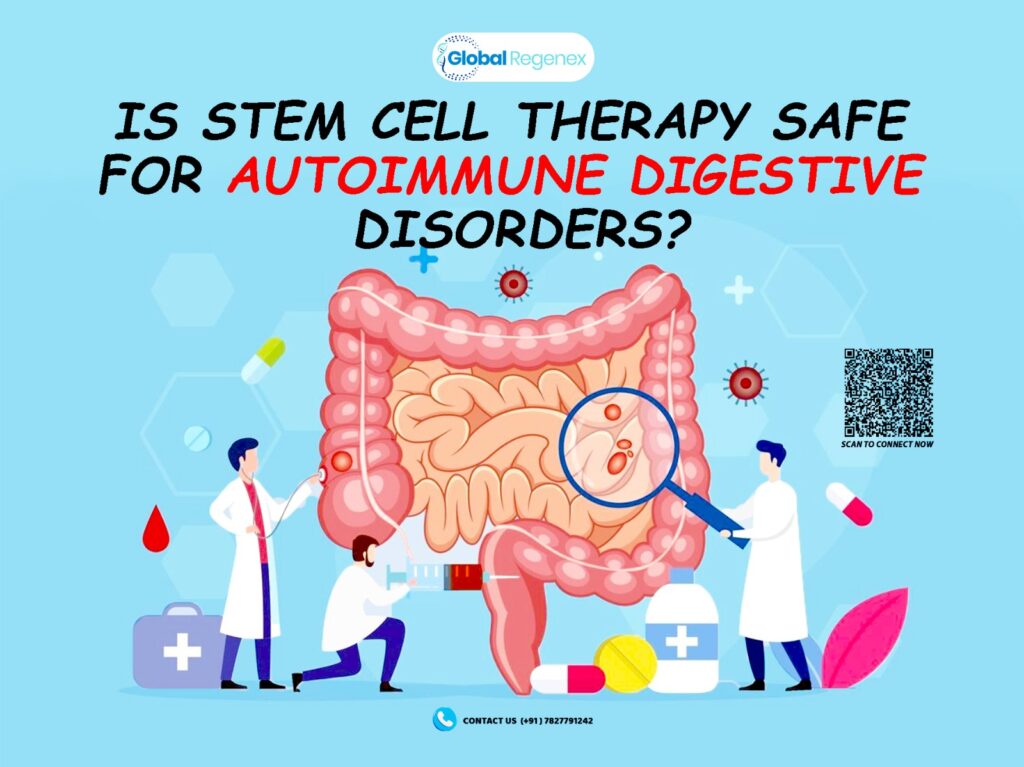
Summary: Exploring whether stem cell therapy is safe for autoimmune digestive disorders. Read this blog to understand how far research has come, what treatment involves, and why it is still being practiced under strict clinical environment. Suffering from an autoimmune digestive disorder is hard. As this condition doesn’t show up in the same way in every patient. This makes detecting this condition challenging. While in some cases, people tend to feel a consistent discomfort and unpredictable inflammations. And for others, it can easily influence nutrition, energy levels and everyday routine in a way you can easily notice. Sometimes, conditions like Crohn’s disease can be treated through medication and long-term treatments. Even then, symptoms start to stay presistent despte of the treatment. It is natural for people and families to look for other treatment areas, like regenerative medicine, that are currently being studied. Due to potential of stem cells, researchers have started to explore and discuss the possibility of future treatment. For patient, it is important to know exactly how process works—and where research stands at present—which will help the patient decide if it is worth pursuing. Overview of Autoimmune Digestive Disorders Autoimmune digestive disorders often arise in patients—when the immune system in the body starts to mistakenly attack various parts of the digestive system. As a result, it triggers inflammation around the affected area in the body. This may cause: chronic abdominal pain alterations in bowel movements tiredness and nutrition problems Such disorders tend to be recurring in nature, where flare-ups alternate with periods during which their symptoms are relatively well-controlled. Given this reality, treatment tends to consist largely of anti-inflammatory care designed for long-term stability. Mechanism of Stem Cell Therapy for Autoimmune Digestive Disorder The reason for fascination with stem cells lies in their ability and are being studied for their potential role in influencing immune response and tissue repair. In simple terms, research involving stem cell therapy revolves around their role in modulating the immune system and tissue healing. To get some information about autoimmune diseases in the digestive system, the question here are if these cells could be used: regulating inflammation markers modulating immune system functions promoting tissue repair It should be kept in mind that we have only scratched the surface of their potential and that we cannot predict their effects yet. Types of Stem Cell Therapies for Digestive Health After preliminary research, it seems regenerative medicine, such as stem cell treatment, is being actively explored in current research. In this case, we can explore various stem cell strategies used in cases of digestive disorders. Mesenchymal Stem Cells (MSCs): This treatment strategy has been extensively studied because of its potential application to regulate the immune response and inflammation. Hematopoietic Stem Cell Treatment (HSCT): For certain diseases, this treatment has already been used clinically for regulated disorders related to blood abnormalities. Other Cell-based Treatments: There is another set of treatments that has become popular, although they are currently undergoing research in many instances. Overall, there are several differences between these treatments based on their application and objectives. Nevertheless, it should be noted that all of these treatments remain experimental and are still under clinical trials. Safety and Efficacy of Stem Cell Treatments When considering any new treatment, one thing that remains every patient’s priority is—how safe is the treatment? Safety and effectiveness are key areas being evaluated in research. In the context of stem cell treatment, so far, research studies show results that remain inconsistent and vary from patient to patient. For some patient in clinical settings have experienced improvement in symptoms, while others have not. Additionally, some factors that may influence safety and efficiency include: differences in patient conditions differences in treatments lack of long-term study Therefore, due to these reasons, the treatment remains under observation for its efficacy and safety. For this reason, the therapy is not commonly used. Regulations and Approval Status of Stem Cell Therapies For every patient considering stem cell treatment as a supportive option for their condition, this is a matter that needs to be clarified well before undertaking the treatment. The stem cell therapy for autoimmune diseases of the gastrointestinal tract in India is presently classified as investigational and not as an approved method of therapy. The treatment can only be conducted through clinical trial processes guided by government regulations. Final Verdict Autoimmune digestive conditions need constant and careful attention. Although stem cell treatment is currently being researched for use in regenerative medicine, it is a developing field of treatment that has yet to gain acceptance into conventional medicine. Knowing the potential and the constraints is essential prior to moving on to anything further. In the event that you are looking into such options, a consultation with Global Regenex would be very beneficial to your considerations. Frequently Asked Questions Q1. Why Do Autoimmune Digestive Disorders Behave Differently In Each Person? These conditions are connected to the immune system, which often varies from patient to patient. Symptoms might be severe in some patients, while others can experience less severe symptoms. Q2. What Makes Managing These Conditions Long-Term So Challenging? Autoimmune digestive disorder becomes difficult to manage due to its recurring nature and constant flare-ups in the area, which need long-term adjustment. Q3. Why Is There Interest In Stem Cell Research For These Disorders? Scientists are studying stem cells’ potential to regulate immune system response and influence immune system response and inflammation. This is because autoimmune disorders arise due to an imbalance in the immune system. Q4. What Should Patients Be Careful About When Reading Online Information? Not every piece of information online about regenerative medicine reflects its true medical evidence. Some information may seem promising to the patient but lacks evidence-based support. It’s a must for patients to verify information with expert consultants to clearly understand available options. Reference Links (1) Wang, S., et al. “Stem Cell Therapy for Inflammatory Bowel Disease: Mechanisms and Clinical Application.” Stem Cell Research & Therapy, 2020. https://www.ncbi.nlm.nih.gov/pmc/articles/PMC7356930/ (2) U.S. National Library of Medicine. “Stem
How Many Stem Cell Sessions Are Needed for Knee Arthritis?

Summary: Understand how stem cell therapy for knee arthritis is being explored, what influences the number of sessions, and why this approach remains investigational rather than routine care. Knee arthritis often progresses gradually. What, in some cases, starts as a small stiffness can slowly turn into continuous discomfort. Most people do not begin treatment by exploring advanced options right away. They begin with attempting to control their knee arthritis using more straightforward means such as medication and exercise, which at times proves adequate. But once the pain persists or when mobility becomes more limited, patients’ considerations change, leading them to explore possibilities that were initially beyond their thoughts, including areas like regenerative medicine. The main question at that stage is no longer about whether something seems appealing but rather how it operates and what it entails, such as the number of sessions required to understand how it is studied. To get the answer to all these questions, keep reading. How Does Stem Cell Therapy Work for Knee Arthritis? To understand how many sessions it may take to provide relief to the patient. The patient must understand how stem cell therapy actually works. In the field of regenerative medicine, the emphasis does not lie on the replacement of damaged tissue. Rather, stem cell technology studies the possibility of impacting the joint environment in such a manner that it helps with the inflammatory response of the body. This is a slow process, and if there is any success. There are no consistent results, which explains why there is also no standard treatment yet. Factors Influencing the Number of Sessions Stem cell therapy for knee arthritis is often discussed as an area of research. And the patient is often curious to know how many sessions they would have to undertake for a good recovery. Currently, there isn’t a standard number of sessions established yet due to it still being researched. However, some factors can influence how this is approached in clinical settings: Stage of arthritis: Early-stage and advanced joint changes may respond differently in research settings. General health and lifestyle: Activity level, weight, and overall health may influence how the body responds. Research Protocol: Various studies have used various protocols hence, sessions could be varied. Body Response Over Time: Some patients can experience changes slowly over time, while others will not. Due to all these factors, it’s difficult to standardize the session number. Consulting with a Specialist: What to Expect Before discussing treatment options, evaluation is the most essential first step, and it is far more comprehensive than anyone might think. It is much more than an examination of the knee. A specialist will take time to understand the full picture: Understanding your condition, how the pain started, and for how long Reviewing any existing scans, X-rays, MRIs, or any other diagnostic information from the past Discussing previous treatment attempts and their effect on your body Evaluating if there is scientific evidence that supports your situation The first discussion is not designed to persuade you into making a decision. Its aim is simply to determine whether this course of action is appropriate for you. Individual Experiences: What They Show and What They Don’t Most patients often come across people sharing their experiences online or through word of mouth. Sometimes, this information can be encouraging for the patient seeking treatment for their condition. At the same time, the result does not seem more reliable. That variation is important. Although some individual cases can give information about how the treatment works and what is possible, but not tell the full story. In research, regenerative medicine has shown encouraging yet inconsistent outcomes across different patients. So while these experiences can be interesting to read, but patient are advised not to make a decision based on them. Adjusting Treatment Plans Based on Patient Progress Currently, there is no standard treatment of regenerative medicine for knee arthritis that every patient may follow. Even being in the investigational phase, this treatment is not standard but is based on the following conditions: symptom progression joint response patient comfort and function These reasons also make the treatment more adaptable rather than pre-planned. That’s why there is no standardized number of sessions for every patient, as no two diagnoses are the same. Need Expert Advice: Global Regenex When thinking about stem cell treatment for knee osteoarthritis, the patient must know what is suitable for their condition. Consulting with the team at Global Regenex can help you understand what is relevant based on your condition and current medical guidelines. The Bottom Line Treatment for knee arthritis is often long-term, and there is no standard treatment procedure. Stem cell therapy may be used in some cases, but it doesn’t consist of a set number of visits and is currently being researched. Knowing this will allow the patient to have realistic expectations. If you have the proper counseling, you will be able to determine which information is suitable for your case and which information needs to be researched further. Frequently Asked Questions Q1. Does Knee Arthritis Require Multiple Stem Cell Sessions? There is no standard number of sessions. Different research protocols may involve single or multiple sessions depending on the study design. Q2. What Influences the Number Of Sessions? Many factors, such as the intensity of arthritis, personal well-being, and the reaction to treatment, play a significant part here. Q3. Does A Higher Number Of Sessions Improve Results? No, this is not necessarily true because the method is still under investigation, and more treatment does not guarantee more successful outcomes. Q4. How Are Sessions Usually Spaced? In the context of research, if there are any sessions at all, these would be timed depending on the protocol used and the response of the patient. Q5. Is It Possible To Predict The Outcome? No, results cannot be predicted. This is one of the reasons why the treatment is considered experimental. Reference Links (1) Lamo-Espinosa, J. M., et al. “Mesenchymal Stem Cell Therapy in Knee Osteoarthritis: A
Can Stem Cells Treat Degenerative Disc Disease Naturally?

Summary: Discover how stem cell therapy for degenerative disc disease is being explored in research, what current treatments involve, and why it remains investigational rather than routine care. You bend over to retrieve your kid’s ball, perhaps a bag, and then there is sensation again. Your lower back pulls a little. You stand up and wait for a moment, hoping it will go away. At first, it starts out feeling nothing serious, but eventually, that begins to happen more often than not. It takes longer to stand up from a chair, or even just to turn your head a little bit. For most people, physiotherapy, drugs, or even surgical intervention can be applied. However, if there is no consistency in pain management, then it becomes obvious for people to consider exploring other advanced alternatives. This is where regenerative medicine and stem cells become relevant. While it sounds like a promising treatment, it’s important to understand what is actually known and what is still being studied. Keep reading to find out. What Is Degenerative Disc Disease? Degenerative disc disease essentially refers to the aging or deterioration of the spinal discs. The discs serve as the cushions between the spinal bones, allowing for easy movement. The following are symptoms that you may experience due to the changes in the discs: Back stiffness Episodic pain Pain while sitting The exact reason for degenerative disc disease is not clearly known since it can be caused by many factors, such as age and lifestyle. Due to the lack of a definite causative factor, treatment becomes more of management than healing. How Stem Cells Work in Treatment Most researchers are interested in how stem cells behave inside the body. As they do not play a specific part. Fortunately, they can easily transform themselves into other kinds of cells and tissues within the body as needed. In terms of degenerative disc disorders, scientists are not focusing on replacing the disc. In this situation, research is being conducted as to whether these cells will help in inflammation or support how the surrounding tissue responds to the treatment. What Research Is Exploring in Stem Cell Therapy for Disc Disease Most information regarding the use of stem cell therapy on degenerative discs is based on preliminary research. It should be noted that in such situations, the significance of obtaining positive results lies in raising interest in further research and the need to study the issue before making any conclusions. These areas can be listed: Effects on Inflammation Processes: Whether the stem cells affect inflammation around the affected disc. Promoting Healing Processes: This includes the investigation of the role of such cells in stimulating the body’s response to tissue damage. Improving Function: Studies investigating possible gradual changes associated with movement or pain. However, till now, results remain inconsistent. In some cases, people undergo changes, whereas others do not observe such changes. Natural Alternatives to Surgery for Disc Issues A surgical procedure for disc pathology is usually not the first option considered, and not even in most cases. Many disc issues can resolve themselves through the right treatment approach and sufficient time. What usually works: Physiotherapy: Specific physical exercises that build muscle mass to provide adequate support for the spine and, therefore, alleviate the pressure on the affected disc Anti-inflammatory Medication: Useful for treating flare-ups but not really recommended as a long-term treatment option Epidural Steroid Injections: Effective in soothing irritated nerves, especially if the pain radiates down into the legs Chiropractic Treatment: Spinal adjustment that suits some individuals, especially when symptoms are still in their early stages Changes to Lifestyle: People undertaking these natural treatments are advised to make some lifestyle changes, such as posture, mobility patterns, and weight, all of which influence the amount of pressure placed on the disc each day One must understand that treatments above will take time and effort, but for most people who have problems with their discs, they’re well worth exploring thoroughly before considering surgery. Need Expert Advice While researching alternative treatments such as stem cell treatment, you will find plenty of data that might seem interesting, yet unclear at the same time. This can make people unsure whether to consider a regenerative approach or not. So, in case you are thinking about choosing this approach, it is important to take some time and learn more about what is really relevant for your health issues. Consulting with Global Regenex will give you expert guidance based on your condition and eligibility. Putting It All Together Degenerative disc disease is hardly ever a clear-cut case – and the route to take is unique to each individual. Traditional therapy can be effective for many patients, but not all that much for others. Regenerative medicine may not be a surefire step to take next for you, but it’s something you should know more about if you have been dealing with this disorder for quite a while now, without making much progress. Frequently Asked Questions Q1. Is Stem Cell Therapy Available for Degenerative Disc Disease? No, it is currently considered investigational and is not part of routine treatment. Q2. Does Stem Cell Therapy Have the Ability to Fully Rebuild a Degenerated Disc? No, because it cannot repair the disc completely based on scientific evidence. Its potential impact on symptoms has been the main concern of studies. Q3. Is It a Natural Substitute for Surgery? No, it is only under investigation, and not yet used as a substitute for surgery or conventional treatment methods. Q4. Are Clinical Trials on Stem Cell Therapy for Degenerative Disc Show Consistent Results? No, because different patients have different experiences after receiving this treatment. Q5. Why Should We Need to Consult Before the Treatment? With a proper consultation with Global Regenex, you will be guided with useful information about this treatment and to check if you’re eligible or not. Reference Links (1) Sakai, D., and Andersson, G. B. J.“Stem Cell Therapy for Intervertebral Disc Regeneration: Current Status and Future Perspectives.”Global Spine Journal, 2019. https://www.ncbi.nlm.nih.gov/pmc/articles/PMC6626674/
Latest Clinical Research on Stem Cell Therapy for DFU
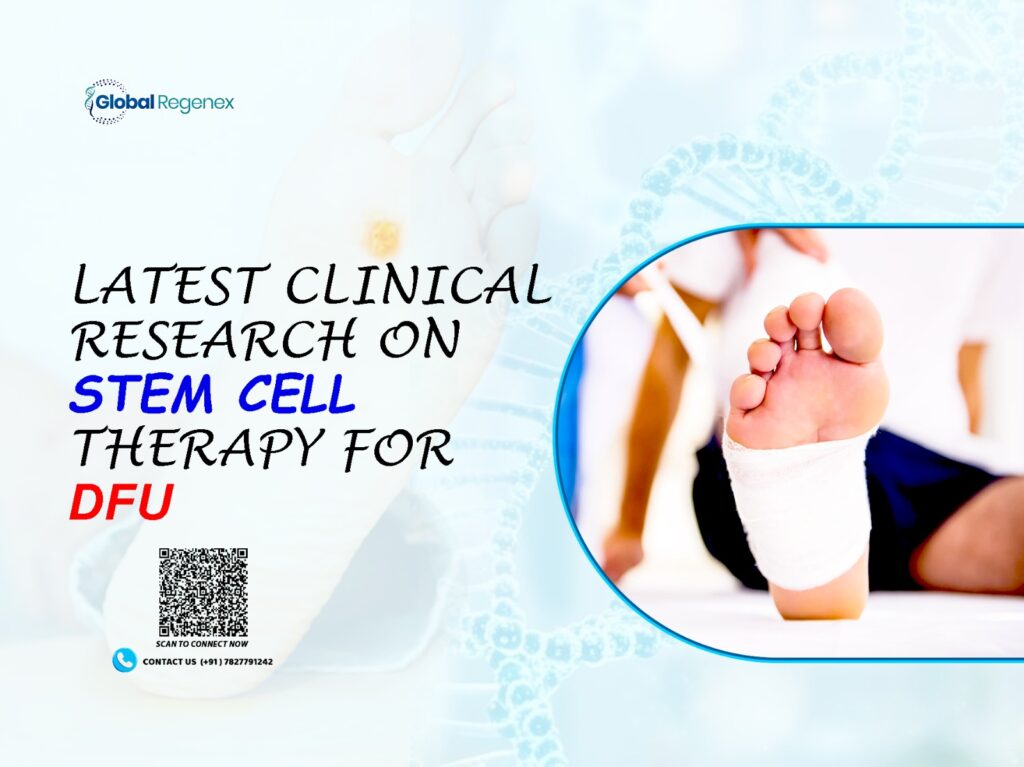
Summary: Discover how stem cell therapy for diabetic foot ulcers (DFU) is being studied in clinical research, what recent findings suggest, and why it remains investigational rather than routine care. Have you been struggling with a severe diabetic foot ulcer? Dealing with diabetic foot ulcers is one of the most challenging conditions. In some cases, it begins as a small wound that gradually starts to heal slowly, especially when the blood flow starts to weaken, and infection starts to spread, making it a long-term issue for many patients around the world. Although standard treatment has been used for years for wound care, infection control, and reducing disease progression. Whereas these treatments are necessary, healing can take time. This is the point at which patients look for the use of regenerative medicine, and stem cell technology has become an area of interest, especially when it comes to seeing how these methods can facilitate wound healing. Understanding Diabetic Foot Ulcers: Causes and Challenges In simple terms, diabetic foot ulcers develop in patients due to a combination of factors connected to prolonged diabetes. Some common factors are: Reduced blood circulation to the lower limbs Nerve damage leading to decreased sensitivity Increased susceptibility to infections Slower wound healing Due to reduced sensitivity, patients often fail to recognize small injuries and wounds until they gradually progress enough to turn into a diabetic foot ulcer. That is why managing DFU usually demands persistence, but even then, recovery takes time. How Stem Cell Therapy Works for DFU As it core, stem cell therapy is the process where stem cells are injected into a patient’s body, to support and boost the body’s healing system through being studied for their potential role in supporting repair processes and influencing how tissues respond to injury To shine a light on DFU, the primary purpose of stem cell research involves investigating their potential to provide a new avenue for wound healing. Instead of serving as a therapy in its own right, stem cells have been examined in terms of their potential to: Affects the inflammatory response at the site of injury Promote angiogenesis Interface with tissue repair mechanisms The goal is to determine if these interactions could create a healing-promoting environment. So far, this is just part of ongoing research that is still under study, not as a practical treatment method. Recent Clinical Studies on Stem Cell Therapy for DFU For many patients considering stem cell therapy for their diabetic foot ulcers, they should understand the condition first and learn how the treatment works. While scientists have done several studies and clinical trials that have explored stem cells for diabetic foot ulcers. These results include: increased ability to close wounds for some patients improvement in blood flow to damaged tissues a gradual decrease in the size of the wound However, these results do not consistently appear in all studies. While some have seen little improvement, others recognize the need for more substantial trials. Understanding these variations is important, as they reflect how therapy is still being evaluated and not confirmed as standard treatment. Potential Benefits of Stem Cells in DFU Treatment Before undertaking any treatment, patient often explore how the particular treatment might benefit their condition. In the context of stem cells in DFU treatment, current regenerative medicine research is being explored as a potential benefit. Here are some areas being explored in research: Enhancement of Blood Circulation: Investigations are being conducted to determine whether stem cells can help in the development of new blood vessels. Aiding in Tissue Repair: The role of stem cells in helping the body heal naturally is also under investigation. Decrease in Inflammation: Certain investigations indicate that stem cells might impact the body’s inflammatory response. Change in Wound Healing: In some studies, the wounds exhibited signs of improvement. These areas might seem promising, but patients should know that these benefits are still in the experimental phase and cannot be guaranteed. Challenges and Limitations of Stem Cell Therapy for DFU Though some findings of the study may make patients feel encouraged, it is important to look at certain limitations too. Differences in Results: After performing different clinical trials, it is recorded that not all patients respond to treatment in the same way. Lack of Long-Term Studies: Due to inconsistent results, more studies and research are required to establish it as a standard treatment. Different Protocols Used: Each study uses its unique protocol. Specific Patient Characteristics: General health status and wound condition have an impact. Due to these factors, stem cell therapy for DFU still remains in the research phase. Need Expert Advice: Global Regenex When exploring new or investigational options, it is important to first understand where they stand in current medical research. This is why a proper consultation with an expert is important to determine if your condition can be treated through stem cells or not. Consulting with the experts at Global Regenex will assist you in reviewing your situation more realistically by evaluating which approaches are already proven, which are still being researched, and whether certain approaches are suitable for you or not. Putting It All Together Managing diabetic foot ulcers can be complex, especially when healing is delayed or complications develop. Even as stem cell treatment of DFU is being researched under the field of regenerative medicine, it remains at a developmental stage and does not form part of regular treatment procedures. The patient must be aware of the pros and cons involved. With the correct information, patients can undertake alternative therapies responsibly. Frequently Asked Questions Q1. Why Does It Take Longer To Heal DFUs? The healing process can be slowed down by reduced blood flow, neuropathy, and an increased risk of infections that make healing less effective over time. Q2. How Are DFUs Different From Other Wounds To Be Treated? Stem cell therapy research focuses on exploring whether stem cells can influence circulation, inflammation, and tissue repair processes. Q3. What Does Stem Cell Therapy Research Focus On? Stem cell therapy research focuses on
How Technology Is Making Regenerative Medicine More Accurate
Summary: Technology is indeed transforming regenerative medicine driving a more accurate diagnosis, personalising treatments, and tracking real-time progress. Utilizing data analytic tools, imaging tools, and AI for better well being of the patient. Most people often wondered how doctors know whether treatment is actually working inside the patient’s body? To shine a light on regenerative medicine, this question becomes important. Patients choosing treatment like stem cell therapy often look to repair damaged tissue, but for them to be more effective doctors need accurate information about the patient’s condition and recovery cycle. This is where modern technology changes the regenerative medicine field, facilitating doctors with advanced diagnostic tools to artificial intelligences. Technology is helping both doctors and researchers understand how the human body works in far more detail and tailoring personalized treatment for patients with different conditions. Let’s look at how different technologies are making regenerative medicine more accurate and personalized. Precision Diagnostics in Regenerative Medicine Traditionally, every treatment session begins with a proper diagnosis. With accurate diagnostics tests and reports help regenerative medicine experts find the root cause of the condition and how damage it has caused. Modern medicine follows the same sophisticated diagnostic equipment to gain a good understanding of a patient’s health. Biomarker Testing: These tests can measure blood markers that signify the presence of inflammation, cell damage, or disease progression. Genetic Screening: Some diseases are caused by genetics. This information enables the doctor to provide a better treatment plan. Advanced Laboratory Analysis: These tests measure the state of the cells before any regenerative therapy is administered. Doctors can provide regenerative therapy with more assurance when they have a more accurate understanding of the human body. Data Analytics and Its Role in Treatment Outcomes Top healthcare often has a huge amount of information such as patient records, imaging reports, labs results, and treatment outcomes. With data analytic tools regenerative experts utilize this information for better treatment. Rather than rely on experience, experts can now study patterns across many other cases. Data analytics helps in several ways: Understanding the percentage of patients who are successfully treated Determining based on data which therapies are most effective for the different conditions Adjusting treatment accordingly by referring to actual patient results and records This means regenerative medicine can gradually become more evidence-driven and accurate. Wearable Technology for Monitoring Regeneration Progress People, nowadays, use smart watches and other devices to monitor everyday health progress. For patients undergoing regenerative therapies, these devices provide useful insights into recovery. Doctors can track things like: Physical activity levels Sleep quality Heart rate patterns Mobility improvements Doctors can monitor patients in real time, rather than waiting for the next hospital visit. This ensures that treatment plans can be adjusted if necessary. Machine Learning Algorithms in Patient-Specific Therapy Machine learning is a type of artificial intelligence that assists computers in analyzing large amounts of information and recognizing patterns. In regenerative medicine, machine learning is also being researched to assist doctors in creating more personalized therapies. Machine learning systems may help doctors: Predict how patients may respond to stem cell therapy Analyze complex medical information more efficiently Assist in research studies by recognizing patterns in patient treatments By learning more about patients, machine learning systems may help doctors select therapies that are more appropriate for their individual needs. The Use of Imaging Technologies in Tissue Repair With imaging tools doctors can exactly pinpoint what is occurring in the body. This is particularly significant in the field of regenerative medicine, where the aim is to repair damaged tissue or cells in the patient’s body. Several imaging techniques assist doctors in monitoring the healing process: Magnetic Resonance Imaging (MRI): This technique is effective for checking patient’s soft tissues, nerves, and cartilage. Ultrasound Imaging: This method helps the doctor to view the tissues in real time. Advanced Cellular Imaging:This technique is employed in the research field to analyze the behavior of the cells in the regeneration process. These techniques assist the doctor in checking whether the healing process is proceeding as expected. To Bring It All Together With modern technologies, regenerative medicine has become more precise and personalized. From diagnostic to monitoring devices, helping both patient and doctors understand how the body is responding to the treatment and how well the body is healing. If you are looking for regenerative medicine, then Global Regenex can provide you with the guidance and consultancy you need. Frequently Asked Questions Q1. What is regenerative medicine? Ans. Regenerative medicine is a medical approach that heals damaged tissues using advanced supportive treatment such as stem cell therapy. Q2. How does technology help in the improvement of regenerative medicine treatments? Ans. Modern technologies assist medical expert diagnosis patients properly and provide a tailored treatment based on their condition. Additionally, evaluating after care progress of the patient. Q3. How does artificial intelligence help in the practice of regenerative medicine? Ans. Artificial intelligence uses large medical data sets and identifies patterns that can help medical practitioners develop customized regenerative medicine treatments. Q4. Can wearable devices help track recovery after treatment? Ans. Yes, wearable technology can help medical practitioners in evaluating the progress of patients using various health indicators such as the rate of activity and the rate of heartbeat. Q5. Why are imaging technologies important in regenerative treatments? Ans. Imaging technologies help medical practitioners in evaluating the progress of patients and determining if the regenerative medicine treatment is effective in the healing process. Reference Links Precision medicine and regenerative medicine integration https://pmc.ncbi.nlm.nih.gov/articles/PMC7288190/ Artificial intelligence in regenerative medicine https://pmc.ncbi.nlm.nih.gov/articles/PMC7864893/ Wearable technologies in healthcare monitoring https://pmc.ncbi.nlm.nih.gov/articles/PMC7506577/ Imaging technologies in regenerative medicine https://pmc.ncbi.nlm.nih.gov/articles/PMC6121288/