
Autologous vs Allogeneic Stem Cell Treatment: What’s Best?
Summary: Find out how autologous and allogeneic stem cell therapies differ from one another in their use of different types of stem cells. Knowing the difference between them, their costs, and success rates enables an individual to make an informed choice about stem cell therapy. As the medical science progresses new advanced treatments emerge supportive treatments for various conditions. One of them is stem cell therapy. When people hear about new therapy like stem cell therapy, many questions come to mind how this therapy works and where these stem cells come from. This answer often falls into two main categories which are autologous and allogenic stem cell treatments. Although both approaches are used in regenerative medicine and stem cell therapy, the difference lies in how these cells are sourced and how they interact with the patient’s body. Deciding between these two types depends on several factors like medical condition, overall health, and treatment goals. Understanding these differences can help patients feel more confident when exploring regenerative medicine treatments. Overview of Autologous and Allogeneic Autologous Stem Cells: This type of stem cells are sourced from patients’ own body, usually from bone marrow or fat tissues. Allogeneic Stem Cells: These stem cells, on the other hand, are taken from another donor. Key Differences Between Autologous and Allogeneic Treatments Feature Autologous Stem Cells Allogeneic Stem Cells Stem Cell Source Taken from the patient’s own body. Derived from another donor. Risk of Rejection Very low. Possible immune rejection. Preparation Time It requires cell collection. Often ready from cell banks. Immune Compatibility Naturally compatible. It needs compatibility screening. Typical Application Orthopaedic condition, regenerative therapy. Blood disorders, immune therapies. How to Choose Between Autologous and Allogeneic Therapy Determining the type of therapy that suits the case means that medical experts have to assess the case. In most cases, the medical expert will weigh various factors before determining the type of therapy that suits the patient. Some of the factors that the medical expert will consider include: Type of Disease or Condition: It is only logical that different diseases require different types of treatment. Overall Health of the Patient: It is true that some people may have certain medical conditions that require that they exclude certain types of treatment from the options that are available. Availability of Healthy Stem Cells: In some cases, the patient may not have enough healthy stem cells; therefore, autologous therapy cannot work. Treatment Goals: Some forms of therapy require that the patient replace their immune system, whereas others require the regeneration of tissues. A tailored discussion is a must in order to find out what form of treatment suits the case best. Cost Comparison: Autologous vs Allogeneic One of the factors that patients often consider is cost when deciding on the option of regenerative medicine is the cost of the therapy. Generally, the cost of the therapy will depend on: the type of medical condition the complexity of the therapy the number of therapy sessions the hospital or research facility Patients should always consult with the healthcare professionals regarding the cost of the therapy. Success Rates: Autologous vs Allogeneic Stem Cells Just any other treatment, success rate of stem cell therapy heavily depends on the condition being treated and the clinical protocols used. Autologous Stem Cell Therapy: This therapy is commonly used in regenerative medicine to treat conditions ranging from orthopedic injuries to autoimmune disorders. Since these stem cells are obtained from the patient’s own body, leading to lowering chances of rejections. Allogeneic Stem Cell Therapy: This form is often employed in the treatment of different forms of leukemia and lymphoma through the transplantation of bone marrow. Both forms have proved effective in different medical facilities. However, the success rate differs from one medical setting to another. Patient Experiences: Autologous vs. Allogeneic Treatments Each patient experiences different results based on their condition and type of treatment. Autologous Treatment Experience Patients who underwent autologous stem cell treatment often feel positive results due cells are sourced from the same patients, reducing concerns about immune rejection and compatibility. Some of the experiences include: Less time taken to prepare for the treatment Less complications arising from the immune system Treatment carried out in a clinical setting Allogeneic Therapy Experiences Patients who are given donor cells often require further monitoring in order to ensure there are no complications and immune compatibility for the new cells. It is often necessary for certain cases when the patient’s own stem cells are not suitable or the patient’s immune system needs to be replaced. The Bottom Line Autologous and allogenic stem cell treatments each have benefits in healing. Which one works best? That depends on the patient’s health and how things look. If you want more details, reach out to global Regenex. Commonly Asked Questions Q1. What is the main difference between autologous and allogeneic stem cell therapy? Ans. Autologous therapy uses a patient’s own stem cells, while allogeneic therapy uses stem cells donated by another compatible individual. Q2. Which stem cell therapy is safer? Ans. Yes, autologous stem cell therapy usually carries lower risk of immune rejection because the cells are derived from the patient’s own body. Q3. Why are donor stem cells used in some treatments? Ans. Allogeneic stem cells are often considered when a patient’s own stem cells are damaged or unsuitable for treatment. Q4. Are both stem cell therapies used in regenerative medicine? Ans. Yes, both approaches are used in different medical settings depending on the disease and treatment goals. Q5. How do doctors decide which stem cell therapy is appropriate? Ans. Doctors decide which stem cell therapy is suitable by examining the patient’s health status. Reference Links Stem cell therapy: Current status and future prospects https://pmc.ncbi.nlm.nih.gov/articles/PMC11634165/ Autologous versus allogeneic stem cell transplantation https://pmc.ncbi.nlm.nih.gov/articles/PMC3348753/ Stem cell transplantation overview https://www.ncbi.nlm.nih.gov/books/NBK482292/ Clinical outcomes of stem cell transplantation https://pmc.ncbi.nlm.nih.gov/articles/PMC4096005/
Stem Cell Treatment for Autoimmune Disorders: Is It Effective?
Summary: Explore whether stem cell treatment is the answer to your autoimmune disorders by supporting immune regulation and tissue regeneration in the body through regenerative medicine. Traditionally, our immune system is designed to protect our body from any infections and harmful substances that may enter the human body from the environment or food. However, there are times when the immune system gets mixed up and ends up attacking the normal cells in the human body. This is considered to be an autoimmune disorder that could range from lupus to type 1 diabetes. For many patients suffering from such diseases, the only solution is to adopt various kinds of medication that help to weaken the immune system to a great extent. But fortunately, in the last few years, researchers have made some good progress in the field of regenerative medicine that could help patients suffering from autoimmune diseases. Nowadays, scientists are trying to find out whether the therapy involving stem cells could help to regulate the immune system to a great extent for patients suffering from autoimmune diseases. The concept of treating autoimmune diseases with the help of regenerative medicine sounds good. Let’s find out how. Understanding Autoimmune Disorders: Causes and Symptoms Autoimmune disorder often happens when the body’s protective immune system starts acting against the body by attacking the healthy cells. This abnormal act of the immune system can harm any organ in the body depending on the condition. Common Causes There are many causes of autoimmune diseases, including: Genetics: Some people can inherit the high risk of getting immune disorders. Environmental Factors: There are a number of different environmental factors or things that cause your immune system to develop an autoimmune disease, including infections, toxins and certain medications. Hormonal Factors: The majority of autoimmune diseases occur in women. This is an indication that hormones have a role in the development of these diseases. Immune System Dysregulation: One of the reasons why the body’s immune system may attack its own tissues is because there are faults in immune signalling. Common Symptoms The symptoms typical of each autoimmune disease differ greatly. Some common signs and symptoms are: Chronic inflammation Joint pain and swelling Fatigue Skin rashes Muscle weakness As well, the symptoms of autoimmune diseases often vary based on the organ that has been affected and can change over time. What Are Stem Cells? Types and Functions Stem cells are renowned due to their ability to develop into different types of cells and help support the healing through repair and regeneration. Here are the properties of stem cells. Self Renewal: these cells can produce new stem cells. Differentiation: have ability to transform into different types of cells. Kinds of Stem Cells Used for Research Scientist are currently focused on two types of stem cells for autoimmune disorders: Induced Pluripotent Stem Cells (iPSCs): These types of stem cells are reprogrammed adult cells that often behave like early-stage stem cells. They have the potential to develop into various specialised cells and widely used in research. Adult Stem Cells (Mesenchymal Stem Cells): Adult stem cells are located in tissues like bone marrow or fat. These cells have the power to modulate immune reactions and secrete growth factors that help in the repair of tissues. How Stem Cells May Help Stem cells may help in the treatment of autoimmune diseases in the following ways: Regulating immune system activity Reducing inflammation Repairing damaged tissues in affected organs These processes are being researched in clinical environments. Current Research on Stem Cell Treatments for Autoimmune Diseases For the last two decades, several studies have been carried out by scientists on the potential of the management of autoimmune diseases using stem cells. Most of the studies carried out have been on the potential of the management of autoimmune diseases using mesenchymal stem cells (MSCs). This is due to the fact that the cells have the potential to modulate the immune system. The potential of the management of autoimmune diseases using stem cells includes: Multiple Sclerosis Systemic Lupus Erythematosus Rheumatoid Arthritis Crohn’s Disease All the studies carried out on the management of autoimmune diseases using stem cells have shown positive results. However, the results obtained have been variable. Therefore, the management of autoimmune diseases using stem cells is considered a topic of active research. Benefits of Using Stem Cells in Autoimmune Therapies Stem cell therapy is gaining prominence in the realm of research thanks to its potential to enhance the body’s innate healing mechanisms and modulate the immune system. Numerous findings have been produced on how this method could be used for treating autoimmune disorders, amongst other things. Immune Regulation: Could be helpful in regulating an immune system that is out of balance. Reduced Inflammation: Might be one of the ways through which the extended inflammatory reaction is controlled. Supports Tissue Repair: Could be the way in which the body mends injured tissues. Manages Symptoms: May help improve daily functioning and comfort. Regenerative Approach: Instead of only alleviating the symptoms, it is solving the problem of the tissues at the root level. The Concluding Thoughts Stem cell therapy is an interesting avenue of research in the treatment of autoimmune diseases. With an approach that focuses on immune regulation and tissue repair, it is hoped that regenerative medicine holds promise in the treatment of immune system diseases. For patients seeking further information on regenerative medicine, it is suggested that Global Regenex provide professional advice on the subject. Frequently Asked Questions Q1. Can stem cell therapy help in the treatment of autoimmune diseases? Ans. Currently, stem cell therapy is being examined as a supportive treatment for regulating immune reactions. Q2. Which autoimmune diseases are being researched with stem cell therapy? Ans. Autoimmune diseases like lupus, rheumatoid arthritis, multiple sclerosis, and Crohn’s disease are being researched. Q3. How do stem cells help in autoimmune diseases? Ans. Stem cells help in controlling immune reactions by reducing inflammation in autoimmune diseases. Q4. Is stem cell therapy used in the treatment of autoimmune diseases? Ans. Many stem cell therapies are
What Is Regenerative Medicine? A Complete Beginner’s Guide
Summary: Regenerative medicine is a medical approach to healing or repairing damaged tissues through the application of sophisticated medical technologies, such as stem cell therapy, tissue engineering, and cellular therapies, to enhance the healing process. Have you ever thought about if your body could heal the damaged tissues themselves after every injury? Seems fictional. Traditionally, most of the treatments are focused on providing patients with symptom-based relief or slowing the progression of the condition. But regenerative medicine, on the other hand, takes a different approach. Advanced treatment like regenerative medicines aims to restore and repair damaged tissues, helping the body recover functions properly rather than managing illness. Researchers are currently exploring its potential for treating many other conditions and disorders ranging from neurological to autoimmune. Due to this potential, over the few decades, regenerative medicine has also gained immense popularity worldwide as supportive treatment. For patients considering this advanced treatment, understanding its basics is an important first step. Introduction to Regenerative Medicine Regenerative medicine is a medical treatment that focuses on providing healing through repair and regenerating the damaged tissues or cells in the body. Instead of only treating symptoms, regenerative therapies aim to restore function in the affected area. Some of the important aims of regenerative medicine are as follows: Healing the tissues that are damaged due to injury or disease. Initiating the natural healing process of the body. Replacing the damaged tissues with healthy ones. Increasing the rate of the healing process for the patient. Stem cells play an important role in the practice of regenerative medicine, as these cells can develop into different specialized cells. History and Evolution of Regenerative Medicine With many decades of long research and clinical trials, regenerative medicine has achieved some of the major milestones. Here are the following: 1950s Bone Marrow Transplant The use of bone marrow transplantation was one of the earliest regenerative medicine treatments for blood disorders and certain cancers. 1990s Stem Cells Research Expansion Researchers started investigating stem cells for their potential to regenerate damaged body tissues and organs. Early 2000s Tissue Engineering Developments Researchers began to use stem cells along with biomaterials in order to make regenerative medicine therapies easier. Recent Years Clinical Trials for Regenerative Therapies The latest regeneration medicine research is geared towards neurological, orthopedic and metabolic conditions. Regenerative medicine is still making progress by small steps through new technology for understanding the regeneration ability of the human body. Key Principles of Regenerative Medicine Scientists examining regenerative medicine follow several scientific principles that guide the modern era of how therapies are being developed. Cell Regeneration: Our body continuously produces new cells to replace those damaged or lost, provided the biological environment is appropriate. Cellular Communication: Cells are capable of sending and receiving signals to orchestrate the repair process. Tissue Repair and Remodeling: Tissues have the potential to be restored to health with the right biological factors. Restoring Function Rather Than Managing Symptoms: One of the main aims of regenerative medicine is to bring back the health of the body rather than focusing on symptom relief alone. Common Techniques Used in Regenerative Medicine Different medical techniques are used by those who practice regenerative medicine. Stem Cell Therapy: Stem cells are special cells that have the ability to turn into other body tissues. Researchers are particularly interested in stem cells because they might be able to boost the body’s natural ability to repair and regenerate tissues. Tissue Engineering: This technique develops tissue repair structures using a combination of cells and biomaterials. Platelet Rich Plasma (PRP) Therapy: This therapy uses the components of the patient’s own blood to promote tissue regeneration by providing growth factors to the tissues. Cell Therapies: This therapy delivers healthy cells to the body for the purpose of tissue repair and regeneration as well as cellular function improvement. Research is being done on these techniques to find out how effective and safe they are for various conditions and disorders. Benefits and Challenges of Regenerative Medicine Just as any new treatment, regenerative medicine emerges with its own benefits and challenges. However, researchers are currently exploring how these therapies can safely support healing for patients while ensuring long-term effectiveness. Potential Benefits May help repair tissues and organs that have been damaged May improve the recovery of injured tissues and organs May reduce the necessity of surgical interventions May support the concept of personalized treatment approaches Current Challenges Some therapies are still undergoing clinical research Treatment responses vary among individuals Long-term safety and effectiveness are still being researched Medical regulations must be stringently enforced to guarantee safe treatments As a result of the aforementioned factors, regenerative medicine treatments must always be considered with the advice of a medical expert. Final Verdict Regenerative medicine is a breath of fresh air in the world of modern medicine. It is not only about healing but also about regenerating the damaged tissues instead of just treating the symptoms. The continuous research in the field of regenerative medicine gives a lot of hope of learning new ways to cure various diseases. Should you want to learn more about these revolutionary treatments, reach out to Global Regenex who can provide you with expert advice on regenerative medicine and stem cell therapy. Frequently Asked Questions Q1. What is regenerative medicine used for? Ans. Regenerative medicine is being researched for a wide range of diseases and disorders including joint damage, brain disorders, heart problems, and other conditions related to aging. Q2. How does regenerative medicine work? Ans. It repairs damaged cells and helps the body’s natural healing mechanisms by using methods like stem cell therapy and tissue engineering. Q3. Is regenerative medicine widely available today? Ans. While some procedures have become a part of regular healthcare, many regenerative medicine methods are still under clinical research and trials. Q4. What role do stem cells play in regenerative medicine? Ans. Since stem cells are capable of differentiating into various types of cells and they can replace damaged tissues, they are a main focus of regenerative medicine research.
Post-Treatment Care After Stem Cell Therapy: Tips for Faster Recovery
Summary: Learn why post-treatment care is important after stem cell therapy, including nutrition, activity management, and monitoring for any side effects to support better recovery for patients. With great progress in medical science, researchers are increasingly exploring regenerative medicine such as stem cell therapy for various types of conditions and disorders. This treatment uses the body’s own healing mechanism to promote healing through repair and regenerate damaged tissue, giving hope for patients with orthopaedic injuries to autoimmune conditions. However, this process is also only a part of the healing process. Recovery after undertaking stem cell therapy plays a crucial part in determining how effectively the body has responded to the treatment. Just like any other traditional or surgical treatment, taking proper post care helps the body adapt to the new changes, heal and support the regenerative effects of stem cells. Patients often ask the expert what they should do after the therapy to help their body recover faster. While every case could be different, following the proper after care can support recovery and lower the risk of complications. What is Stem Cell Therapy and How Does It Work? Stem cell therapy involves the use of special cells that have the ability to change into various types of tissues in the body. In damaged parts, these cells can possibly aid in repair and recovery. For regenerative medicine, stem cells might aid regeneration by: Cell Regeneration: The stem cells have the ability to change into other cells to replace the damaged ones. Release of Growth Factors: Stem cells have the ability to send signals to the body, which are useful in the healing process of the cells. Reduction of Inflammation: Stem cells have the ability to control the immune system to reduce inflammation. Support for Repair of Tissues: Stem cells have the ability to improve the microenvironment of the tissues to enable healing. These unique characteristics of stem cells have prompted researchers to consider them as a possible treatment for diseases or conditions where the body’s ability to heal itself is very low, or virtually nonexistent. Immediate Post-Treatment Care Tips After undertaking stem cell therapy, one must know that the first few days are important for allowing the body to adapt to the treatment. Patients are advised to follow certain precautions: Rest the Treated Area: Do not give excessive strain on the treated area during the first few days. Stay Hydrated: Patients should drink enough water to help their body maintain proper circulation and cellular function. Follow Medical Instructions Carefully: Always follow the doctors given instructions, follow-up visits and activity restrictions. Avoid Alcohol and Smoking: They can mess up your tissue healing and regeneration processes. Go to Follow Ups: Checking in regularly allows your doctor to keep up with your progress and notice any problems quickly. Following these steps can support the body’s natural recovery process. Diet and Nutrition for Optimal Recovery After every treatment following a proper diet helps a long way. Giving your body with enough nutrition is important for better healing and tissue repair after regenerative treatment. Primary nutritional factors are: High Protein Foods: This is because the body needs proteins for repair and the formation of new cells. Fruits and Vegetables: These contain antioxidants that can shield the body from disease. Healthy Fats: These include omega 3 fatty acids, for instance, found in fish and nuts, which can support anti-inflammatory responses. Proper Hydration: This is very vital for the flow of the blood and the transfer of nutrients. Apart from that, the patient should strive to avoid processed foods as well as excessive intake of sugars during the course of the healing process. Physical Activity: What to Do and What to Avoid Physical movement is important for recovery, but it should be approached gradually. Light stretching after medical approval Gentle walking to improve circulation Controlled physical therapy if recommended by doctors Activities to Avoid Initially Heavy lifting High impact exercises Intense sports or strenuous movements Overdoing it too early can actually delay recovery. A slow transition to normal activity under the guidance of a physician is usually the best approach. Managing Side Effects and Complications Although many patients have not experienced any side-effects after undergoing stem cell therapy in India, some mild side-effects are possible. Here are some of the examples: Mild swelling at the treatment site Temporary soreness or discomfort A few days of fatigue Generally, these symptoms are temporary and the body slowly gets accustomed to the treatment. On the other hand, patients should consult their doctor if they experience: Constant pain and swelling Fever and symptoms of infection Dramatic deterioration of symptoms The Concluding Thoughts After the treatment care plays a very important role in making the stem cell therapy effective. Apart from the body being able to recover over time, other factors that lead to the successful outcome of the healing process are a well balanced diet, mild physical exercises and regular check ups. If you are thinking about getting regenerative treatments, you may want to consult Global Regenex that can offer expert advice and therapy consultations on stem cells and regenerative medicine. Frequently Asked Questions Q1. How long does the recovery process take after stem cell therapy? Ans. The recovery process after stem cell therapy depends on the condition being treated. However, the patient will be able to recover over time with the appropriate care. Q2. Can I exercise after stem cell therapy? Ans. You are allowed to exercise after the stem cell therapy. However, you are supposed to avoid heavy exercises during the recovery process. Q3. What food can I eat for the recovery process after stem cell therapy? Ans. You are supposed to eat a lot of protein, fruits, vegetables, and healthy fats. Q4. Are there any side effects of stem cell therapy? Ans. Yes, there are side effects. However, the pain will subside in a matter of days. Q5. Why is post-treatment care important in regenerative medicine? Ans. The importance of post-treatment care is that it is essential for
Finding the Right Regenerative Medicine Clinic: 7 Things to Consider
Summary: Finding the right regenerative medicine clinic for your condition needs careful research. Learning therapies, expertise and clinical credibility helps patients make the rightful decision for better well being. When people dealing with different types of disorders or degenerative conditions hear about advanced treatment like regenerative medicine, the first thought in their mind is often hope. The idea of repairing and regenerating damaged tissues for healing using advanced medical techniques seems promising. Treatments like stem cell therapy and other regenerative medicine are being researched for conditions involving joints to neurological disorders. However, with growing interest comes high demand which leads patients to ask questions : how do you choose the right regenerative medicine clinic? Not each and every clinic follows the right procedure and safety standards, and patients often come across with a lot of confusing information. Understanding how regenerative medicine really works and what to look for in a regenerative medicine clinic can change your healing journey significantly. What Is Regenerative Medicine? As its heart of medical science, regenerative medicine often focuses on the body’s ability to heal itself. Unlike traditional treatments, regenerative medicine goes beyond just providing symptom-based relief. It promotes healing through repair and regenerate the damaged tissues in the body. Some of the main concepts of regenerative medicine include: Healing of damaged tissues, as opposed to controlling the symptoms Promoting natural healing processes within the body Using biological treatments that promote regeneration of tissues Regenerative medicine as a field of research includes conditions such as joint degeneration, neurological disorders, autoimmune disorders, and chronic conditions. Common Types of Regenerative Therapies As you begin your research on the topic of regenerative medicine, you will find that there are a number of different therapies that are talked about. Each of these therapies works to aid the body in its own natural healing processes. Some of the more popular regenerative medicine therapies that are often discussed are as follows: Stem Cell Therapy: This type of therapy works to use specialized cells to aid the healing process and combat inflammation in the affected areas. Platelet-Rich Plasma Therapy: This type of therapy works to use platelets derived from the patient’s own blood to aid the healing and repair of the body. Cell-Based Regenerative Therapies: This type of therapy works to stimulate the natural repair processes within the body. Biologic Therapies: This type of therapy works to use biological materials to aid the regeneration and repair of the body. Key Factors in Selecting a Regenerative Medicine Clinic Regenerative medicines do give a ray of hope for patients with chronic diseases. However, deciding the treatment is only the first step of your healing journey. Choosing the right clinic is one of the most important steps when considering regenerative therapy. Here are some following factors to consider: Medical Qualifications and Licensing: The hallmark of a genuine clinic is one that is properly regulated medically and overseen by medical professionals. Experience in Regenerative Medicine: Facilities with a background of working with regenerative medicine are most likely well, versed with the knowledge and treatment protocols. Clear Communication Regarding the Treatment: A real clinic is one that informs comprehensively the treatment, the expected results, and the potential risks. Evidence-Based Approach: One should search for clinics that operate upon scientific research and findings. Proper Patient Evaluation: Typically, reputable clinics carry out medical evaluations prior to the recommendation of regenerative treatments to their patients. Safety and Sterility Standards: Regenerative therapies should always be done in medical environments and must comply with safety standards. Follow Up and Patient Monitoring: Therapy does not simply finish at the operation. Legitimate clinics must provide treatment follow ups for monitoring as one of the post care options. By reflecting on these points, patients can better equip themselves with knowledge and safety when making healthcare decisions. Credentials and Experience of Practitioners Another important point that might help you in selecting a regenerative medicine clinic is the qualification of the medical team. For example, a regenerative medicine clinic really ought to have technically skilled personnel who understand cell biology and tissue regeneration. When selecting a doctor for your regenerative medicine, here are the questions you should raise to yourself: Do they have recognised medical qualifications? Do they have experience in regenerative medicine treatments? Are they involved in clinical research or ongoing training? Experienced regenerative medicine experts are probably going to adhere to safety protocols in medicine more strictly and they are likely to be quite reasonable when it comes to expectations of the treatment results Putting It All Together The process of looking for the right clinic for regenerative medicine involves a process of research and decision-making. It is always important to look for the right professionals who have the right knowledge, treatment, and advice. If you are looking for advice on the right option for regenerative medicine, consulting Global Regenex would be the right approach. Frequently Asked Questions Q1. What is the use of regenerative medicine? Ans. Regenerative medicine is the process of promoting healing in the body through the process of repair and regenerating damaged tissues and cells through various methods such as stem cell therapy. Q2. Is stem cell therapy a type of regenerative medicine? Ans. Yes, stem cell therapy is a type of regenerative medicine that is widely studied for the purpose of tissue repair and healing. Q3. How can I find the best clinic for regenerative medicine? Ans. You can find the best clinic for regenerative medicine based on the qualification of the practitioners and the experience of the clinic. Q4. Are regenerative medicine therapies widely accepted as treatment options? Ans. Some are widely accepted, while others are still in the research and clinical trials phase. Q5. Why is regenerative medicine considered a vital part of modern medicine? Ans. Regenerative medicine is considered a vital part of modern medicine as it provides the best treatment options for the repair of damaged tissue. Reference Links Stem cell therapy in regenerative medicine https://pmc.ncbi.nlm.nih.gov/articles/PMC7288190/ Advances in regenerative medicine https://pmc.ncbi.nlm.nih.gov/articles/PMC7367472/ Stem cell therapy:
Types of Immunotherapy Available in India
Summary: Discover how immunotherapy is revolutionizing the treatment of specific types of cancers and immune related disorders. Understanding the different types helps patients find the right treatment for their conditions. Over the last ten years, immunotherapy has altered the face of current medicine in a dramatic way, especially in cancer treatment. In contrast to chemotherapy or radiation that go directly to killing the cancer cells, immunotherapy is a way of enhancing or altering the immune system so that it is capable of identifying and attacking abnormal cells. India, over the last few years, has considerably boosted its cancer fighting facilities, thus advanced immunotherapy treatments have been made available through specialized centers. There are, however, different mechanisms, separate indications, and the need for thorough medical consideration that are characteristic features of each kind. The differences between them should be well understood before embarking on a treatment journey. Let’s explore. What Is Immunotherapy? In simple terms, immunotherapy refers to a process of improving the immune system in the patient’s body to fight the disease. To talk about cancer care, it helps in identifying and eliminating tumor cells that might be overlooked by other conventional treatments. Immunotherapy differs from conventional treatments in the following ways: Activation of the immune system Induction of immune memory Decreased systemic toxicity in certain cases However, It is not a universal solution that may be applicable to all patients or all types of cancers. Types of Immunotherapy Available for Cancers in India Immune Checkpoint Inhibitors Checkpoint inhibitors are the class of immunotherapeutic agents most frequently used in India. They function by blocking proteins such as PD-1, PD-L1, or CTLA-4, which are known to stop immune cells from attacking cancer. The main field of their utilization is lung cancer, melanoma, and some gastrointestinal cancers. The mode of administration of these drugs is intravenous infusion. On the one hand, these drugs have been demonstrated to increase the life span of certain patients, but on the other hand, they can also lead to immune, related side effects. Used for Lung cancer Melanoma Urothelial cancer Head & neck cancers CAR-T Cell Therapy One of the treatments that patients look for is chimeric antigen receptor T-cell (CAR-T) therapy, which is considered one of the most advanced types of immunotherapy. The patient’s T-cells are harvested and engineered in a laboratory The engineered cells are re-administered to specifically attack cancerous cells Mainly employed for the treatment of certain types of blood cancers like leukemia and lymphoma India has started the provision of approved CAR-T therapies in regulated environments. Although very promising, CAR-T therapy needs specialized infrastructure. Monoclonal Antibody Therapy Scientists often develop monoclonal antibodies in the laboratory as proteins that target specific antigens on cancer cells in the patient body. They can tag cancer cells for destruction by the immune system Some of them contain targeted toxins or radiation They can be used for various types of cancers These are commonly used in Indian cancer treatment centers. Cancer Vaccines Cancer vaccines are meant to initiate the immune response against tumor, specific antigens. Preventive vaccines (like the HPV vaccine) reduce cancer risk Therapeutic vaccines are a subject of research in cancer treatment The work in India is progressing and mostly the therapeutic vaccines are still in the clinical trial phase. Cytokine Therapy Cytokines refer to the immune system proteins that stimulate the immune response. Examples include interleukins and interferons Used in treating certain cancers such as melanoma and renal cell carcinoma It can cause systemic side effects Although older than the checkpoint inhibitors, cytokines are still used in immunotherapy. Availability Of Immunotherapy in India for Cancers In the last few years, medical science in India has evolved drastically, offering patients with multiple immunotherapy options through accredited healthcares. Here what patients treatment depends on: Cancer type and stage Genetic and biomarker testing Regulatory approval status Infrastructure & monitoring facilities Understood that, immunotherapy needs further more evaluation such as molecular diagnostics and immune profiling. However, consulting with experts is important before undergoing such treatments. Fortunately, Global Regenex shines the brightest in providing patients with assistance by reviewing their medical history, coordinating with specialist options, and helping them find the best healthcare for their condition. Putting It All Together Immunotherapy is revolutionizing cancer treatment in India, providing targeted and life-saving alternatives to conventional therapies. Patients can seek expert advice from specialists such as Global Regenex to navigate the latest treatment options. Frequently Asked Questions Q1. Are immunotherapy treatment options available in India? Ans. Yes, immunotherapy treatment is available in India for different types of cancers. Q2. Is CAR-T cell therapy approved in India? Ans. Yes, it is approved and available in India for limited blood cancers. Q3. Is immunotherapy more effective than chemotherapy? Ans. Yes, immunotherapy is different from chemotherapy. It offers targeted benefits and has different eligibility from patient to patient. Q4. Who is eligible for immunotherapy treatment in India? Ans. Eligibility criteria for immunotherapy treatment in India are based on cancer stages, test results, overall health conditions, and oncologist recommendations. Q5. How does Global Regenex assist patients undergoing immunotherapy treatment? Ans. Global Regenex assists patients undergoing immunotherapy treatment in India through consultation, case evaluation, specialist coordination, and recommendations for appropriate immunotherapy treatment options. Reference Links U.S. National Cancer Institute – Types of Immunotherapy Explained https://www.cancer.gov/about-cancer/treatment/types/immunotherapy (Details immune checkpoint inhibitors, T-cell transfer therapy, monoclonal antibodies, cytokines, and vaccines used in cancer care.) Cancer Research Organization – Immunotherapy Treatment Categories https://www.cancerresearch.org/immunotherapy-by-treatment-types (Lists immunotherapy classes such as adoptive cell therapy, vaccines, oncolytic viruses, immunomodulators, and targeted antibodies.) NIH – Overview of Cancer Immunotherapy Advances https://www.nih.gov/about-nih/nih-turning-discovery-into-health/promise-precision-medicine/cancer-immunotherapy (Describes decades of immunotherapy drug development and precision medicine applications.) National Cancer Institute – CAR T Cells & Engineering https://www.cancer.gov/about-cancer/treatment/research/car-t-cells (Explains how CAR-T therapy genetically modifies a patient’s T cells to fight cancer.) PubMed Central – T-Cell Transfer & CAR-T Immunotherapy https://www.ncbi.nlm.nih.gov/pmc/articles/PMC12263928/ (Summarizes emerging CAR-T innovations and cellular immunotherapy trends.) National Cancer Institute – Immune Checkpoint Inhibitors https://www.cancer.gov/about-cancer/treatment/types/immunotherapy/checkpoint-inhibitors (Explains how checkpoint inhibitors block immune “off” signals to empower T cells against
Stem Cell vs Joint Replacement: What’s the Better Choice?
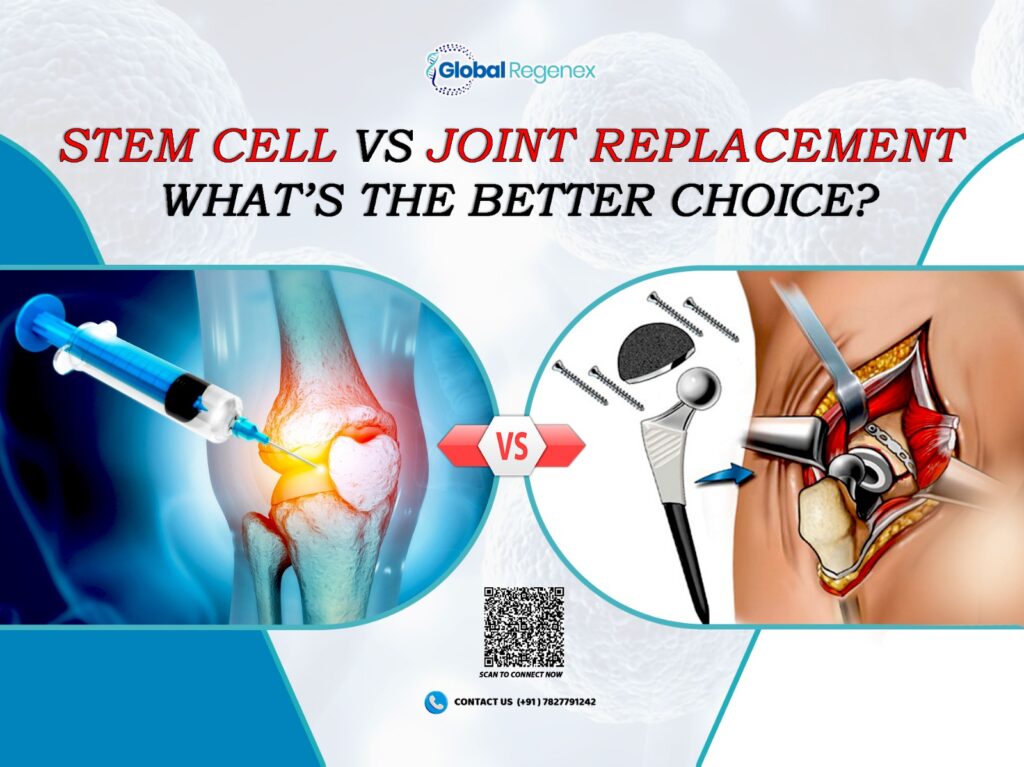
Summary: Discover how stem cells can help avoid joint replacement in patients. While joint replacement surgery has been a standard solution for severe damages for a long period of time, stem cells offer a regenerative alternative. Many people meet an accident about every year, leading to fracture and bone damages that cause severe suffering for life. Whereas a broken joint has been fixed through joint replacement surgery for a long time as a standard treatment. For some, surgery seems like a hard choice to face, which leads patients to explore regenerative ways, such as stem cell therapy. An advanced supportive treatment that uses the potential of stem cells to promote healing through repair and restore functions. So which choice is better for you? The answer often depends on the severity of the condition, age, damage and long-term goal. Let’s explore the real difference to make the right choice. Understanding Joint Damage Patient dealing with Joint degeneration usually entails the following: Degeneration of the cartilage Inflammation of the joint capsule Bone rubbing in the late stages Loss of mobility and pain In the early to moderate stages of osteoarthritis, cartilage loss can still be amenable to biological repair. In the late stages, the joint degeneration may be too severe for biological repair. Common Symptoms of Advanced Joint Damage Patients with different joint damages experience different symptoms, which help in determining when advanced treatment may be severe: Persistent Pain: You might feel a pain that comes and goes at times and worsen over time. Stiffness: You may feel stiffness in the joints in the morning or less flexibility in movements. Swelling & Inflammation: Your damaged area starts swelling due to irritation or immune system reaction. Reduced Range of Motion: Experiencing bone to bone contact or feeling grinding sensation during joint movements. Mobility Limitations: You may have trouble walking, climbing or performing daily activities. What Is Stem Cell Therapy for Joints? Stem cell treatment is one of the types of regenerative medicine that focus on promoting healing in joints through repair and restoring cells and function. It utilizes the ability of different types of stem cells such as mesenchymal stem cells, often found in bone marrow or fat tissue. Stem cell therapy helps to: Decrease joint inflammation Release growth factors for cartilage repair Improve the joint micro environment for better functioning Slow down the degenerative process The therapy is quite less invasive and one can be treated at the doctor’s office. The time needed for recovery is also much less than surgery. Doctors usually suggest stem cell therapy to those who have mild to moderate osteoarthritis and whose cartilage has been damaged but not completely lost. What Is Joint Replacement Surgery? Joint replacement surgery is a procedure that involves the removal of damaged cartilage and bone surfaces and their replacement with artificial prosthetic components. A major surgical operation under anaesthesia Stay at hospital followed by rehabilitation Mechanical replacement of the joint surface Long term implant durability Joint replacement is very effective in cases of severe end stage arthritis, especially when there is extensive structural damage or bone on bone contact. Nevertheless, the patient may take several months to fully recover. Besides, as in all surgeries, there are risks of infection, blood clots or the implant wearing out over time. Stem Cell Therapy vs Joint Replacement: Key Differences Factor Stem Cell Therapy Joint Replacement Procedure Type It is minimally invasive process Majorly surgical operational Recovery Time Shorter recovery time Several months rehabilitation Primary Goal It reduces inflammation and support repair It replace damaged joint surfaces Suitable For Early-moderated degeneration Severe end-stage arthritis Risk Usually lower surgical risk Surgical & implant-related risk What Does It Mean for the Patients? As you have understood the differences between stem cell therapy and joint replacement surgery, but still confused about which is suitable for you. Although there is no universal answer but depends on the following factors. Severity of degeneration Imaging results Age and activity level Overall health condition Long-term functional goals As regenerative medicine continues to evolve, careful evaluation is necessary. Talking to regenerative medicine experts can help you understand the current research and if this treatment is suitable for you. Consulting with Global Regenex, helps patients understand the treatment, evaluate the condition, and connects patients with top healthcares. Putting It All Together Joint replacement surgery is still the most effective method for significantly damaged joints. On the other hand, stem cell therapy is a regenerative method that is less traumatic and can help postpone surgery for certain patients. Both options are under constant research, thus, deciding between them should be a matter of personal evaluation. Global Regenex helps patients decide suitable treatment for their condition and connects with best healthcares. Frequently Asked Questions Q1. Is stem cell therapy more effective than joint replacement? Ans. Which one is better depends on how bad the disease is. Stem cell therapy may be a good option to treat very early arthritis while joint replacement is better for very advanced arthritis. Q2. Can stem cells regrow cartilage completely? Ans. Currently, the studies support the idea that there may be a beneficial effect on cartilage regeneration but the full regeneration is not always supported. Q3. How long will a joint replacement be effective? Ans. The average life span of a prosthetic joint, after which it is expected to function properly, is 15 to 20 years, depending on the lifestyle and health of the patient. Q4. Is stem cell therapy safer than surgery? Ans. Yes, stem cell therapy is non-invasive, however the effectiveness of the treatment is still in research. Q5. Can stem cell therapy delay joint replacement? Ans. Yes, patients with moderate arthritis can be treated with stem cell therapy to alleviate their symptoms, and the joint replacement surgery can be postponed. Reference Links National Institute of Arthritis and Musculoskeletal and Skin Diseases – Osteoarthritis Overview https://www.niams.nih.gov/health-topics/osteoarthritis PubMed Central – Mesenchymal Stem Cells in Osteoarthritis Treatment https://www.ncbi.nlm.nih.gov/pmc/articles/PMC6605747/ American Academy of Orthopaedic Surgeons – Total Joint Replacement https://orthoinfo.aaos.org/en/treatment/total-joint-replacement/
Recovery Timeline After Autologous Stem Cell Transplant
Summary: The recovery process after any kind of autologous stem cell therapy follows a planned course of recovery, which may include the rebuilding of the immune system, stabilization of the blood count, and restoration of strength. This helps the patient prepare physically and mentally for the therapy. Patients around the world often suffer through many different degenerative and severe conditions, which may lead them to undergo stem cell transplant. An autologous stem cell transplant, as many patients know, is a medical procedure where a patient’s own stem cells are collected, preserved, and later reintroduced to the affected area in the body. While the procedure itself is highly structured, recovery is gradual and often varies from patient to patient. Many patients then ask the same questions which is, how long does autologous stem cell transplant take? the answer depends on the patient’s immune recovery, organ resilience, infection risk, and overall health before transplant. Understanding the recovery timeline can reduce anxiety and help set realistic expectations. Key Phases Involved in the Recovery Timeline After Autologous Stem Cell Transplant Phase 1: Hospital Recovery This is a very demanding recovery time and generally occurs at the hospital. Side Effects of Conditioning Therapy: High dose intensive chemotherapy before transplant can cause nausea, fatigue, mouth ulcers, and loss of appetite. Low Blood Counts: Red blood cells, white blood cells and platelets decrease greatly, therefore the chances of infection and bleeding go up. Strict Observation: The patient remains under very close medical monitoring and, in most cases, stays in a protective single room. Supportive Care: The patient may require IV fluids, antibiotics, antifungals, and blood transfusions, etc. At this time, the body has no immune system that is functioning. Phase 2: Early Recovery Phase (Week 2–4) In this phase, marks an important milestone which is known as engraftment. Stem Cell Engraftment: After reinfusing stem cells in the patient’s body, begins to produce new stem cells. Gradual White Cell Recovery: As it starts producing new immune cells, infection risk begins to decrease in the body. Persistent Fatigue: It is still very common to feel weak and have low energy although these symptoms tend to improve slowly. Nutritional Support: A diet rich in protein and balanced in other nutrients is beneficial for healing as well as blood production. Most of the time patients leave the hospital when the blood counts become stable. Nevertheless, the recuperation is not over by a long way at this point. Phase 3: Intermediate Recovery (Month 1–3) Once a patient is discharged, recovery is continued at home with medical supervision. Weak Immune System: Even though stem cells rebuild the immune cells and improve immunity in the patient body, it is still compromised. Infection Precautions: Patients are advised to avoid crowded places, maintain proper hygiene, and limit interaction with other sick individuals, as they are also vulnerable at times. Slow Return of Energy: Performing light physical activities may be allowed to help regain strength. Regular Follow Up Visits: Blood tests are used to check the status of blood cells and organs. Moreover, emotional recovery becomes a significant aspect during this period. One may experience anxiety, mood swings, or dissatisfaction due to the slow pace of recovery. Phase 4: Long-Term Recovery (3–12 Months) Long term recovery is about reconstructing the immune system completely and returning to a normal life. Immune Reconstitution: Even though the immune system is on the way to recovery, complete immune reconstitution may take up to a year. Revaccination Schedule: The resetting of the immune system post therapy may necessitate revaccination against childhood diseases in some patients. Hair Regrowth & Physical Strength: Hair normally starts to regrow within a few months while physical strength recovery is a continuous and slow process. Return to Work: Generally, patients are able to return to work 3 to 6 months after treatment, this depends on their condition and the nature of their job. Ongoing Monitoring: Regular follow up visits are of utmost importance for early detection of relapse or complications. Recovery periods vary patient to patient. One patient can greatly improve by six months, and the other may need to continue their rehab for more time. What Influences the Recovery Process? As you know, recovery often varies from patient to patient, due to some other factors that affect recovery: Patient age and baseline fitness Type and stage of underlying disease that they are diagnosed for. Nutritional status Emotional and family support Intensity of chemotherapy It is to note that, even patients with the same conditions often experience different timelines and improvement. Supporting Smooth Recovery After ASCT For supportive a smooth recovery in patient after autologous stem cell transplant, doctors advice the following tips: Balanced nutrition with plenty of protein Physical workout progression Staying hydrated Following infection control measures strictly Regular follow up tests In fact, close monitoring and timely medical intervention help prevent complications. The Bottom Line Recovery after the autologous stem cell transplant is indeed structured but gradual. As timelines differ for each patient, patients often find a steady gain of stability with proper followups and supportive tips that help patients in speedy recovery. However, if you are new to regenerative medicine or thinking of undergoing this therapy for your conditions, consulting with Global Regenex, can help you make your recovery journey hassle free. Frequently Asked Questions Q1. How long does immune system recovery take after ASCT? Ans. Immune system recovery in patients, often achieved within 6 to 12 months. Q2. Is fatigue expected months after the transplant? Ans. Yes. Fatigue may still be present for a few months as the body is being rebuilt. Q3. Why are vaccinations repeated? Ans. Chemotherapy destroys immune memory, and therefore revaccination is required to ensure continued protection. Q4. Is recovery from autologous transplant safer than allogeneic transplant? Ans. Yes, since the patient’s own cells are used, thereby reducing immune-related complications. Q5. When can patients resume normal activities? Ans. Many resume light activities within 2–3 months, with gradual return to full routines thereafter. Reference Links National Cancer Institute
Latest Advances in Lung Cancer Immunotherapy in India
Summary: Learn how lung cancer immunotherapy in India is evolving through targeted therapies to personalized treatment strategies. As the latest clinical research advances, patients now can have access to more reliable and innovative treatment that goes beyond traditional treatment. Lungs cancer continues to be one of the most leading causes of deaths around the world. Patients who underwent conventional treatments like surgery, chemotherapy, etc to treat lung cancer. For years, these treatments remained important, which they still are, but nowadays, medical science looks for something more. One of the advances is immunotherapy that has changed the way doctors treat lung cancer. In this therapy, instead of removing cancer cells like chemotherapy, immunotherapy helps your body’s immune system recognise the cancer cells to fight them better without removing useful ones. In India, looking to access this treatment expanded rapidly over the years. Let’s explore to understand what are the latest advancements and what it means for the patients. What Is Immunotherapy in Simple Terms? Your immune system is meant to find and kill abnormal cells. However, cancer is very smart and often “hides” from the immune system. Immunotherapy involves: Taking off the “brakes” that stop the immune system from attacking cancer cells Activating T-cells (the “soldiers” of the immune system) Targeting specific proteins that allow cancer cells to survive This method may be more targeted than traditional chemotherapy in certain patients. Key Immunotherapy Options for Lung Cancer These are the following immunotherapies that are available in India: Checkpoint Inhibitors: The Biggest Breakthrough To talk about lung cancer immunotherapy advancements is the use of checkpoint inhibitors: Following drugs are used: Target proteins involved in immune response pathways such as PD-1, PD-L1, and CTLA-4 Help the immune system recognize and eliminate cancer cells Have been approved in India for the treatment of advanced non, small cell lung cancer (NSCLC) Checking tumor PD, L1 expression has become a standard practice before immunotherapy is started. Combination Therapies Immunotherapy is only infrequently used alone. Most often it is combined with chemotherapy or targeted therapy. The combinations have shown to help a selected number of patients both with progression, free survival and overall survival. Such a practice continues to be first line treatment of advanced NSCLC in India. Next Gen Cellular Therapies Personalized cellular therapies such as CAR-T cell therapy are still nascent, however, they are also the focus of research for solid malignancies including lung cancer. The main purpose of these therapies is to modify a patient’s own immune cells so that they can locate and destroy cancer cells specifically. What Do the Latest Developments Mean in 2026? By 2026: Major cancer centers in India have made immunotherapy widely available. Biomarker testing has been standardized and is conducted regularly. Lots of patients with advanced lung cancer have had their survival outcomes improved. The management of side effects has been more systematized. Nevertheless, the response to the treatment varies among patients. Latest Innovation in Cancer Immunotherapy in India As of now, scientists are researching more and more on immunotherapy for further development. Researchers are investigating: Biomarkers for improved predictive outcomes Combinations of two immunotherapies Vaccines for lung cancer antigens Customized immune therapies India is gradually joining the global cancer research networks and actively contributing to clinical trials results. With the ongoing advancement of research, immunotherapy may become more focused, less expensive, and with higher success rates. What Does It Mean for the Patients As immunotherapy has brought a new wave of progress in lung cancer care. For some patients, it certainly improved survival and quality of life. However, it is not automatically the right option for everyone. Fortunately, consulting with experts in these overwhelming situations can be a big help. Global Regenex, as the best consultancy, helps patients understand advanced treatment options, evaluate your eligibility for the therapy, and connects you with the best healthcare. Final Verdict With advancement in lung cancer treatment has progressed into a new era. Immunotherapy, molecular analysis, and other combinations of therapies, does help doctors provide enough relief. However, not all patients can benefit equally from these treatments, but still have hope for them. Consulting with right experts at Global Regenex, patients can easily find the right treatment for their condition. Frequently Asked Questions Q1. Is immunotherapy an effective treatment method than chemotherapy? Ans. It is gauged by the kind of cancer and biomarkers. For some patients, immunotherapy works better. Q2. How do doctors know if immunotherapy treatment is working? Ans. They will assess PD, L1 expression and genetic mutations before carrying out the treatment. Q3. Are the side effects different from chemotherapy? Ans. Absolutely. Immunotherapy may lead to immune, related side effects, but most of them are manageable. Q4. Is immunotherapy a treatment option in India? Ans. Yes, it is offered in several well, equipped cancer centers in India. Q5. Is lung cancer curing possible with immunotherapy? Ans. In the case of advanced lung cancer stages, it is more of a control of the disease for a longer period along with increased survival rates that are the goals. Reference Links National Cancer Institute – Immunotherapy to Treat Cancer https://www.cancer.gov/about-cancer/treatment/types/immunotherapy PubMed Central – Immune Checkpoint Inhibitors in Non-Small Cell Lung Cancer https://www.ncbi.nlm.nih.gov/pmc/articles/PMC6685866/ Indian Journal of Medical Research – Lung Cancer in India: Current Status and Challenges https://www.ncbi.nlm.nih.gov/pmc/articles/PMC5537899/
How Stem Cells May Help Regenerate Pancreatic Cells
Summary: Explore how stem cells research is advancing in helping in pancreatic cell regeneration. From insulin-beta cells to immune modulating, regenerative medicine is being studied to support the condition beyond the conventional treatments. Diabetes is the most common disease, which affects millions of patients worldwide. Diabetes is commonly caused by the disturbance of insulin, either the body does not produce enough or the body cannot utilize it properly. Whereas the “pancreatic” plays a crucial role in the regulation of blood sugar levels by producing insulin. However, when the “pancreatic beta cells” are damaged, the body fails to have the ability to control the glucose levels in the blood. The conventional method of treatment only helps in alleviating the symptoms but does not have any effect on repairing. Owing to this shortcoming, scientists are currently working on the concept of the ability of stem cells to repair and regenerate, which may help in regenerating “pancreatic cells” in the future. Although still in the initial stages, research on stem cell therapy is progressing rapidly, offering new perspectives. Let’s see how stem cells can help in diabetes. Understanding Pancreatic Cell Damage The pancreas is one of the organs that play a major role in regulating the concentration of glucose in the blood. It contains tiny clusters of cells known as the islets of Langerhans which harbor beta cells that secrete insulin. Autoimmune destruction( Type 1 Diabetes): When your body’s immune system gets confused and destroys beta cells without producing insulin. Chronic Insulin Resistance (Type 2 Diabetes): A prolonged state of cellular stress due to metabolic demands can lead to a loss of function and exhaustion of the beta cells. Inflammation: Long term inflammation can gradually lead to the destruction of pancreatic tissue. Genetic Predisposition: Some genetic components may predispose individuals to beta cell failure. Thus, when the beta cells are highly depleted, the body cannot maintain the blood glucose level within the normal range. What Is Pancreatic Regeneration? The term pancreatic regeneration often refers to restoring and repairing the damaged beta cells and function so they can resume insulin production in the body. This may include: Repairing damaged but viable beta cells Stimulating the growth of new beta cells Replacing dead cells with their functional counterparts Improving the microenvironment of the pancreas Stem cell therapy has been considered as a potential avenue for the achievement of the above. How Stem Cells May Support In Pancreatic Regeneration As the medical research on stem cells has evolved rapidly. Scientists focus on stem cells’ ability to differentiate into various types of all cells that influence tissue repair. In pancreatic research, several mechanisms are still being studied. Differentiate Into Insulin-Producing Cells Certain stem cells are being studied in controlled labs, which may be used in developing into insulin-producing cells. These cells may help in replacing damaged pancreatic cells. Secretion of Growth Factors Stem cells release bioactive factors that will help the tissue to heal, reduce the inflammatory process, and also improve the functioning and living of the remaining beta cells. Immunomodulatory Effects Mesenchymal stem cells (MSCs) are capable of adjusting the immune system. In the case of Type 1 diabetes, this effect can prevent the immune system from attacking the pancreas. Microenvironment Improvement The stem cells carry the ability to modify the microenvironment of the pancreas so that it would support the metabolism and survival of the cells. Types of Stem Cells Being Studied for Pancreatic Regeneration As the research progresses in stem cells for diabetes. Different types of stem cells in the body are currently being investigated for their potential in pancreatic regeneration: Induced Pluripotent Stem Cells (iPSCs): These are cells reprogrammed from a patient’s somatic cells to a pluripotent state. Mesenchymal Stem Cells (MSCs): These cells are mainly considered in terms of their immunological and trophic effects. Umbilical Cord Stem Cells: Umbilical cord stem cells are mainly considered in terms of their regenerative and anti-inflammatory potential. What Latest Research Says? As of 2026, pancreatic regeneration studies are still in the early and mid-stages of clinical trials. Safety studies have shown promising results in terms of tolerability in a controlled setting. Stem cell-derived beta cell transplantation has resulted in the production of insulin in carefully selected patients. Some patients have shown a decrease in insulin requirements. Durability and potential for immune rejection are still being assessed. Need for Expert Advice Stem cell therapy to regenerate the pancreas is still an experimental treatment, and the results depend on the patient’s condition. You must talk to specialists to understand the feasibility and risks. Global Regenex offers helpful, well, structured, and scientifically backed guidance to enable you to make informed decisions. The Concluding Thoughts Regenerative pancreatic cells through stem cell therapy demonstrate one of the most promising frontiers in diabetes research. While stem cell therapy is still in early stages of the research and clinical research, long-term effectiveness, and durability. Although, if you are considering stem cell therapy as a supportive treatment, consulting with experts at Global Regenex can help patients make the right decision. Frequently Asked Questions Q1. Can stem cells fully regenerate pancreatic cells? Ans. Scientists are still trying to figure out if it is possible to regenerate beta cells through stem cell therapy, which produces insulin. Q2. How do stem cells help in the production of insulin? Ans. Stem cells can differentiate into beta, like cells, or give a helping hand to the existing pancreatic cells by immune and growth factor stimulation. Q3. Is stem cell therapy for pancreatic regeneration approved? Ans. The majority of the options are still just theoretical at this point and are in the process of being clinically tested. Q4. Are there any risks involved in pancreatic stem cell therapy? Ans. The possibilities of immune rejection and cell survival are some of the problems that are being heavily studied now. Q5. What is the reason for professional consultation? Ans. Consultation is an important step of the process because it will make sure not only that you meet the eligibility criteria but