
Stem Cells for Spinal Cord Injuries: From Paralysis to Partial Recovery
Summary: Stem cell therapy provides new hope for patients with spinal cord injury that supports nerve repair, reduces inflammation, and promotes partial functional recovery. It is a potential regenerative treatment approach showing promising improvements in mobility, sensation, and long-term healing. Suffering from spinal cord injury can drastically alter someone’s life in an instant-turning movement, sensation, and independence into daily challenges. Traditional treatments have been mostly aimed at preventing further damage, although they are often unable to reverse paralysis or restore function. But now, regenerative medicine is opening new horizons. Stem cell therapy in India aims to encourage nerve repair, reinstate communication between cells, and improve movement or sensation over time, hence becoming a hopeful option for so many patients seeking stem cell therapy for paralysis. While far from a complete cure, the partial recovery that this might make possible brings renewed hope to families around the world. Let’s explore what spinal cord injury is and how stem cell therapy can help. What Is Spinal Cord Injuries? A spinal cord injury occurs when a person suffers from a traumatic disruption in the communication between the brain and the body. Depending on the severity of the condition, it may lead to: Partial or complete paralysis Loss of sensations Difficulty in bladder or bowel control Muscle weakness and spasm Reduced independence in daily activities Once thought irreversible, these injuries are now being reassessed with the growing advancements of regenerative therapy. Learn more about regenerative solutions for neurological recovery. How Stem Cell Therapy Helps Spinal Cord Injuries? These cells can switch to any kind of cell type and mend damaged tissues. In the case of spinal cord injuries, they act as follows: Nerve Regeneration Support Stem cells work to replace the lost neurons by helping to reconnect pathways within the spinal cord and supporting the gradual return of function. Inflammation Control Severe inflammation disrupts the healing process. The healing molecules produced by stem cells mute inflammation, which helps the damaged tissues respond accordingly. Communication Signals Restoration These stem cells facilitate the repair of myelin damage and support the neural pathways, enabling better signal transmission between the brain and the body. Prevent Further Degeneration These stem cells can protect the remaining nerve cells and slow down further deterioration. Enhancing Functional Recovery Over time, some patients find gradual improvements in their mobility, sensation, bladder control, and muscular strength. What Improvements Can Patients Expect? These improvements are gradual and may continue for months as the nervous system responds to regeneration: Better mobility of the limbs or muscles Partial restoration of sensation Improvement in bladder and bowel management Reduced spasticity Stronger trunk control Better quality of life The chances of recovery depend on the severity of injury, the timing of treatment, physical therapy, and general health. Who Is a Good Candidate for Stem Cell Therapy? Patients may benefit if they have: Cervical, thoracic, or lumbar injury Partial or complete paralysis Chronic or recent spinal cord trauma Limited efficacy with standard treatments Good overall stability and medical fitness Each case requires detailed evaluation. Top Benefits of Stem Cell Therapy for Spinal Cord Injuries Here are some benefits of stem cell treatment for spinal cord injuries in India: Minimally Invasive Treatment Stem cell therapy is a less to no invasive procedure that reduces the risk and recovery time significantly. In most cases, patients can go back to their routine activities soon after, making it seamless for patients with mobility issues. Works at the Cellular Level Stem cells do not simply mask symptoms like drugs. In fact, they go straight to the interaction with the injured nerve tissue. These cells secrete factors that attract the body’s own cells, stimulate new cells to grow, and even repair the road for neurons to communicate in the spinal cord, which is a far cry from what conventional therapies can do. Long-Term Healing Potential Recovery continues gradually as the new cells integrate with existing tissues. In fact, many patients report improvements for several months, making this therapy potentially a long-term approach rather than some kind of quick fix. Improves Daily Living Even partial improvements, such as increased trunk control, fewer spasms, or more sensation, may greatly enhance independence. These changes help patients in managing daily activities with more confidence and less assistance. Improves Rehabilitation Outcomes Stem cell therapy, when combined with disciplined physiotherapy, can amplify progress. New cells create a more receptive environment for nerve training and help patients achieve stronger physical and functional gains. For Expert Advice Deciding on regenerative treatment may be overwhelming, especially when the condition is life-changing. For clear evaluation, ethical guidance, and supportive care, Global Regenex offers expert consultation to help patients understand whether the stem cell treatment fits into their stage and type of injury. To Bring It All Together Stem cell therapy brings renewed hope for spinal cord injury patients, offering potential improvements in movement, sensation, and independence. While not a cure, its regenerative power can support meaningful recovery. For personalized guidance, consult Global Regenex. Commonly Asked Questions Q1. Is paralysis from a spinal cord injury curable? Ans. It is possible to recover, but only partially, not completely. Most patients get increased strength, sensation, and daily function through rehabilitation and regenerative treatments. Q2. Do stem cells cure paralysis? Ans. While stem cells cannot completely reverse paralysis, they do provide nerve repair support, reduce inflammation, and have helped patients regain partial mobility or sensation over time. Q3. How long does it take to recover from an incomplete spinal cord injury? Ans. The recovery time is different for each case. Some may see improvement within a few weeks, but substantial progress is usually made over several months with physiotherapy and regenerative treatments. Q4. Is it possible to regain movement after paralysis? Ans. Yes, partial mobility may come back depending on the level of injury. This is quite common to have improved movement, balance, and muscle control through the use of treatments involving stem cell therapy, rehabilitation, and stimulation. Reference Links PubMed – Stem cell therapy for spinal
Personalized Regenerative Medicine: Tailoring Treatments to Your Genetic Profile
Summary: Genetic profiling forms the backbone of personalized regenerative medicine treatment design. It combines either stem cell therapy or exosome therapy with precision diagnostics for safer, more effective, and longer-lasting healing outcomes. Have you thought of some treatment that works miraculously for some people and produces very limited results for others? The answer often depends on the patient’s genetics. Nowadays, modern medical world, personalized regenerative medicine revolutionizes the healing of patients by using expert genetic knowledge in the design of treatments that fit patients’ needs. With advanced tools like genetic mapping, biomarker analysis, and even AI, doctors can now easily identify what type of regenerative therapy, such as stem cells, exosomes, or maybe a combination of both, to provide patients with the best treatment. Clarity, safety, and precision come with this approach for people who have so far struggled with chronic pain, autoimmune issues, neurological conditions, or age-related degeneration. Let’s find out how this innovative method works and why it represents the future in healing. What Is Personalized Regenerative Medicine? Personalized regenerative medicine is the integration of genetic profiling, cellular health, and disease pattern integration into treatment planning. Instead, it is an art in developing a personalized healing strategy in keeping with your very unique biological needs. How it works: It analyzes your genetic markers for cellular weaknesses to find the root cause of disease; that way, treatments can address the real biological problem. Helps doctors make the right choice of regenerative therapy-stem cells, exosomes, or a combination-based on how your body is predicted to respond. This reduces risks and enhances healing outcomes, since treatment is done according to your immune behavior and your capacity for tissue regeneration. Why Genetics Matter in Your Healing Journey? Your genetic makeup affects the level of inflammation, the speed of tissue repair, cellular injury, sensitivity to pain, and the rate of progression of the disease in question. Knowing these patterns enhances the decision-making capability of a regenerative specialist. Genetic profiling helps in the following ways: Predicting how well your body will respond to either stem cell or exosome therapy Identifying which ones of the therapies may reduce inflammation more efficiently. Determining whether your immune system is likely to reject certain cell types Choose the safest, most focused route for long-term healing. This makes regenerative treatment more predictable, personalized, and safer for every patient. Overview of Personalized Exosome Therapy Exosomes represent one of the most powerful cell-free communicators that can essentially change the situation by bringing the healing signals, and the most targeted are those that have been picked up based on genetic factors. Overview of Personalized Stem Cell Therapy Stem cell therapy works several times better when it is genetically targeted. Personalized stem cell therapy reprograms the cells to be compatible with your genetic makeup, thereby advancing the healing process for specific tissues such as nerves and cartilage, and also, chronic inflammation is lowered, thus, success, which can be predicted, and profound repair are guaranteed. Conditions That Can Be Treated Through Regenerative Therapies Here are some conditions that can be treated through regenerative therapies: Orthopedic Disorders: A genetically informed treatment is more effective in a way that it can lead to a natural restoration of cartilage, reduction of inflammation, and an increase in joint movement. Autoimmune Diseases: Identifying genetic markers leads to the discovery of immune dysregulation patterns, which in turn help the therapies to calm the overactive ones and protect the tissues. Neurological Conditions: Using a highly specific therapy, the nerve repairing process is supported, and also the release of inflammatory agents is hindered in neuropathy or the initial stage of degeneration. Chronic Inflammatory Disorders: Through genetic profiling, it becomes possible to know the very first inflammatory triggers and thus exosomes or stem cells may be allowed to target the biological underlying imbalance. Anti-Aging & Longevity: Designed to suit individual needs, the therapies work on tissue repair, collagen production, and mitochondrial. Why Personalized Regenerative Medicine Is the Future? Here are some reasons why: More Precise Healing: Treatments are selected according to your unique biological needs, rather than generalised medical assumptions. Reduced Side Effects: Genetics also helps to avoid certain therapies that your body may not tolerate well, increasing safety. Better Long-Term Results: Personalization supports deeper, more stable healing that might last months or even years. Empowers Patients: It helps an individual have a deeper level of their health and enables informed decisions. For Expert Advice Personalized regenerative treatments need to be weighed, interpreted genetically with due caution, and clinically undertaken with safety. Global Regenex consultation provides expert insights for guiding patients on their options of either stem cell therapy or exosome therapy, depending on their medical profiles. Their care is truly patient-centered, ensuring clarity, comfort, and confidence at each juncture along the way in this journey of healing. Wrapping Up Personalized regenerative medicine is a major leap forward into safe, precision healing. Tailoring a stem cell or exosome therapy to a patient’s genetic profile provides better patient outcomes and greater confidence. With expert guidance leading the way, the future of personalized recovery remains hopeful. Frequently Asked Questions Q1. How does genetic profiling improve regenerative treatment? Ans. Genetic profiling reveals inflammation patterns, healing speed, and immune behavior, helping specialists choose the safest and most effective regenerative therapy for individual patients. Q2. Is personalized regenerative therapy safe? Ans: Yes, it does. Treatment aligned with your genetic tolerance and healing capacity reduces risks. Q3. Is this type of stem cell therapy tailored to my genes? Ans. Absolutely, genetic and biomarker analysis will help in selecting the best type of stem cell and dosage for your needs. Q4. Are exosomes also applied in personalized treatments? Ans. Exosomes can be selected or modified according to your immune and genetic profile for even more precise healing. Q5. Who should consider personalized regenerative medicine? Ans. Those experiencing chronic pain, autoimmune issues, neurologic symptoms, or poor tissue repair are all candidates for therapies that may be targeted with information provided through genetic testing. Reference Links PubMed – Genetic Profiling in
Exosome Therapy & Cell-Free Regenerative Treatments: What They Are & Why They Matter
Summary: Exosome therapy is one of the most powerful cell-free regenerative treatments that repairs tissues, reduces inflammation, and improves healing naturally. This blog explores how exosomes work, their benefits, medical uses, and why they are becoming important in modern regenerative medicine. Have you ever thought of the way treating your condition without the need for surgery or any long-term treatment? This is only possible with modern regenerative medicine through exosomes therapy, a cell-free yet powerful treatment reshaping how patients recover from injuries, inflammation, and severe disease. Not like any traditional therapies that just soothe symptoms, exosomes present targeted healing signals that repair tissues from the inside out. The ability to decrease inflammation, support regeneration, and enhance cell communication is what is making them gain attention across the world in the area of cell-free regenerative medicine. If you are looking for a natural and science-backed path to healing, the coming sections will guide you to understand exactly why exosomes matter. What Is Exosome Therapy? Exosomes are small, naturally occurring particles that healthy cells release, particularly stem cells. They act as the communicative messengers of the body, carrying healing signals to sites that require some repair. How do they help the body in healing? Carry growth factors that assist in tissue repair Improve cell-to-cell signaling and coordination Reduce inflammation in damaged or stressed tissues Promote regeneration without using live cells Exosomes, according to research from around the world, play an important role in immune balance, wound care, and musculoskeletal and neurological repair. Exosome Therapy: How It Works Exosome therapy is an infusion or targeted injection method that introduces the healing messengers into damaged tissues. What happens in the body: Exosomes help reduce inflammation by calming down excessive immune activity. Tissues begin repairing with improved activity of the growth factor Cell communication improves, thus accelerating recovery. Regeneration improves, supporting long-term structural repair. Medical studies indicate that exosomes have the power to influence tissue healing pathways just like their parent stem cells, but without the safety concerns associated with cell-based treatments. What Are the Benefits of Exosome Therapy? Here are some benefits of exosome therapy: Reduces Inflammation Exosomes contain powerful anti-inflammatory signals that calm the overactive immune response, which leads to less swelling, stiffness, and pain in the affected joints, nerves, and muscles, thus creating a much better environment for long-term healing. Natural Tissue Repair Exosomes also deliver growth elements that direct the damaged cells toward repair. This can facilitate healthy tissue regrowth of cartilage, tendons, skin, and nerves, making patients’ recovery more complete and long-lasting instead of simply temporary symptom relief. Balance Immune System Exosomes modulate the immune pathways to depress excessive immune activities without suppressing the necessary immune functions. Such a balance is particularly beneficial for autoimmune problems, chronic inflammation, and long-term degenerative disorders. Boost Natural Healing Exosomes essentially speed up the body’s natural repair cycle that is natural to it by making cell communication more effective. Quite a few patients report that their recovery is speedier and that their downtime is shorter, and that tissue regeneration that is smooth is their experience after an injury, a medical procedure, or an orthopedic surgery. Cell-Based Therapy Since exosomes do not contain any live cells, they are safe for those patients who might not qualify for stem cell procedures because of age, immune conditions, or other medical restrictions. This will dramatically expand treatment accessibility. Less Risk of Rejection Since exosomes do not bear cellular structures, they do not provoke immune rejection. Because of this, exosomes are biologically safe, predictable, and well-tolerated. In this way, complications are minimized, with consistency in treatments for various medical conditions improved. Some Medical Conditions That May Benefit From Exosome Therapy Many exosomes are being researched in several fields for their different therapeutic uses. The promising response in the following conditions can be noted: Osteoarthritis & joint inflammation Tendon injuries and sports-related damage Neuropathy and nerve injuries Autoimmune inflammation Skin repair, burns, wound healing Dry eye disorder and corneal impairment Metabolic and chronic inflammatory disorders Their wide-ranging impact on immune and repair pathways makes exosomes a versatile treatment option. For Expert Consultation This is especially so for regenerative therapies, particularly exosome treatments. Global Regenex aids the patients in understanding whether they are potential candidates by providing transparent assessments, expert advice, and safe access to the latest regenerative protocols. The approach of this center is very patient-oriented, ensuring that each patient receives personalized, trustworthy support from exosome therapy consultation to recovery. The Concluding Thoughts Exosome therapy promises safe, natural, cell-free regeneration to make a difference in the future of healing. Backed by growing research and clinical usages, expert knowledge provided by Global Regenex gives patients an empowering alternative for long-term recovery. Frequently Asked Questions Q1. What is exosome therapy in simple terms? Ans. Exosome therapy uses tiny healing messengers from stem cells to reduce inflammation and repair damaged tissues in natural ways, sans the use of whole cells. Q2. How long does it take to realize the results? Ans. Most patients find noticeable changes within 4–12 weeks, though depending on the condition and general health. Q3. Is exosome therapy safe? Ans. Yes, it is safe if done under expert supervision, since exosomes contain no living cells, and consequently, there is a minimal chance of being rejected. Q4. Which conditions are more responsive to exosome therapy? Ans. Promising improvements concerning the current research are seen regarding joint pain, tendon injuries, nerve damage, autoimmune inflammation, and skin repair. Q5. Is exosome therapy superior to stem cell therapy? Ans. Not always. Each of them has its strong points. Exosomes are ideal for cell-free healing, whereas stem cells are utilized where the requirement for deeper tissue regeneration exists. Reference Links PubMed – Exosome Therapy in Regenerative Medicine https://pubmed.ncbi.nlm.nih.gov/?term=exosome+therapy+regenerative+medicine PubMed Central (PMC) – Full-Text Studies on Exosomes & Healing https://www.ncbi.nlm.nih.gov/pmc/?term=exosomes+tissue+repair Nature Reviews Molecular Cell Biology – Biology of Exosomes https://www.nature.com/articles/nrm.2017.125
Why Some Patients See Faster Results After Stem Cell Therapy?
Summary: Nowadays, stem cell therapy has changed the way we treat severe pain, injuries, and degenerative conditions. But while some patients who underwent the treatment may notice results within a few weeks, others take months to experience improvement. The difference is normal, and often influenced by factors like health, condition type, and care quality. Did it ever occur to you mind why some patients can rebound quickly with stem cell therapy, while others require more time? The fact is in the body’s natural healing process. Stem cell therapy isn’t a quick fix, it’s a biological repair system that goes down to the core of your tissues. It operates slowly but surely, and health gets restored from the inside out. Some patients experience full mobility and reduced pain in weeks, while others see improvement over many months. The key to a faster, durable recovery is understanding these differences and setting proper expectations. We’ll explore the real reasons behind these varying results after stem cell treatment in India. How Stem Cell Therapy Works? Stem cell therapy uses the body’s own cells and regenerative power to heal damaged tissues. When stem cells are injected into the affected area, they transform into specialized cells and release growth factors that enhance natural healing. The process takes time, but the body needs to: Accept and integrate new cells. Stimulate tissue regeneration. Restore normal function slowly. However, the healing depends on how your body responds to treatment, your overall health, and the type of cells used. Factors That Influence Recovery Speed in Patients Here are some factors that may influence the result of stem cell therapy: Condition Type and Severity The recovery of a mild case, such as an early-stage arthritis or a minor tendon or cartilage injury, is usually speedy as it entails less structural repair, thus the regenerative processes can be initiated rapidly. However, chronic or complicated disorders (e.g., Parkinson’s or spinal cord injuries) are slow to heal, hence they require more sessions and a longer duration. Patient’s Age and Overall Health Younger, healthier patients tend to react faster due to more active cells and a strong immune system. Older patients, or those with problems such as diabetes, will see the benefits more slowly since their body regeneration is not as rapid. Type of Stem Cells Used The source and quality of stem cells also matter. Autologous stem cells come from a patient’s bone marrow or fat and are often the most quickly accepted by the body. Allogeneic stem cells from donors, such as umbilical cord tissue-are similarly effective but may take a little time to integrate, depending on the type of therapy. Quality of Treatment and Expertise The quality of recovery depends on the expertise of the clinic, facilities, and laboratory standards. Advanced facilities coupled with accredited labs mean purer, more viable stem cells, translating to faster and more consistent recovery. Post-Treatment Care and Lifestyle Following the cure, a fast, durable recovery requires dedication. You must follow medical directions, eat nutritious food, and avoid smoking or alcohol. Recovery is often accelerated by combining stem cell therapy with physiotherapy, yoga, or gentle exercises. Common Timeframes for Improvement The regeneration process of the body occurs at different rates according to the condition: Early Responders (2–4 weeks): Typically, these are orthopedic or sports injuries. Patients usually observe a decrease in pain and swelling very quickly. Gradual Responders (2–3 months): Patients with degenerative joint diseases or mild neurological conditions start regaining functions and mobility progressively. Long-Term Responders (6–12 months): Those with autoimmune and chronic nerve disorders may take longer but often see steady, meaningful improvement over time. Remember: Slower results don’t mean the therapy is not working. Healing continues beneath the surface as stem cells restore balance and integrity to tissues naturally. Why Professional Help Matters? If you talk about regenerative medicine, it is the most crucial factor to have the right direction. Global Regenex is a reliable consultancy that facilitates patients ‘ access to the best stem cell centers in India. They are the specialists in: Medical Judgments: Understanding your health and suggesting the most suitable treatment. Clinics with the Certification: Only those centers that have been ethically approved and GMP-compliant are the ones that patients are connected with. Individual Healthcare Programs: Modifying treatments according to each patient’s situation and health objectives. Complete Support: Along with travel assistance, therapy follow-up, and lifestyle guidance. With the help of Global Regenex, you get more than healing, but you get continuous support, empathy, and professional guidance, which leads to speedy recovery. The Bottom Line The power of the personalized healing journey is immense with stem cell therapy. Recovery speed may be influenced by age and condition, but every step taken guarantees regeneration and relief. Connect with Global Regenex for expert, compassionate care. Frequently Asked Questions (FAQs) Q1. How long does it take to see results from stem cell treatment? Ans. Results vary, as some patients experience results in a few weeks, though it can take a couple of months as the body regenerates tissue gradually. Q2. How does stem cell therapy work for Parkinson’s disease? Ans. It repairs or replaces damaged nerve cells that control movement, thereby decreasing tremors and stiffness over time. Q3: Do stem cells work right away? Ans. No, it takes time for stem cells to integrate and repair tissues. Most patients will witness gradual improvement over weeks or months. Q4. How does Global Regenex help patients achieve better results? Ans. Global Regenex connects you with top clinics, provides expert consultation, and ensures personalized care for faster, safer recovery. Reference Links Caplan AI, Correa D. The MSC: An injury drugstore. Explains gradual paracrine signaling, tissue repair, and delayed clinical response https://pubmed.ncbi.nlm.nih.gov/27774387/ MDPI – Cells Impact of aging and metabolic disease on stem cell function. https://www.mdpi.com/2073-4409/9/2/421 Frontiers in Bioengineering & Biotechnology Disease severity determines regenerative response speed. https://www.frontiersin.org/articles/10.3389/fbioe.2020.00864/full Clinical differences between autologous and donor-derived MSC therapy. https://stemcellres.biomedcentral.com/articles/10.1186/s13287-020-01719-8 Centeno CJ et al. Rehabilitation and lifestyle influence outcomes after stem cell therapy. https://pubmed.ncbi.nlm.nih.gov/25770868/
Why India is Emerging as a Global Leader in Affordable Stem Cell Therapy?
Summary: India has rapidly emerged as one of the most trusted destinations in the world for affordable advanced stem cell therapy. With strong medical expertise, modern facilities, ethical practices, and patient-centric care, the country offers high-quality regenerative treatments at a fraction of global costs. People all over the world are looking for safe, effective, and reasonably priced healthcare. Stem cell therapy, once considered extremely expensive and accessible to only a few, is now within reach for more patients with India’s growing leadership in regenerative medicine. But what really sets India apart? What makes patients from the US, Europe, and other nations head to India for stem cell treatments? The answer lies in a combination of factors that provide medical excellence, affordability, and compassionate care that is found nowhere else but in India. Overview of Stem Cell Therapy Stem cell therapy is the treatment that facilitates the natural healing process of the body by the injection of special cells that are able to repair the damaged areas and bring the inflammation down. Generally, it’s a mild approach to dealing with the problem that can relieve pain, expedite the healing process, and enhance the quality of everyday life when other treatments have been ineffective. What Makes India a Global Leader in Stem Cell Therapy? Here are some of the top reasons why India is a preferred destination for patients looking for stem cell therapy: Advanced Medical Infrastructure The top hospitals and regenerative medicine centers in India are fully equipped with the latest labs, GMP-certified stem cell processing units, and world-class technology to handle patients. These follow international medical standards in offering highly specialized treatment programs. Highly Qualified Specialists Indian doctors in this field of medicine are globally trained and renowned. Many doctors have worked in top research institutions worldwide, bringing global knowledge and advanced techniques into the care of patients. Affordable Treatment Without Compromising Quality Cost is arguably one of the strongest reasons behind India’s global appeal. Stem cell procedures in India can offer 60–80% savings compared to other Western nations, with equally good results. This makes advanced therapy accessible for international and Indian patients alike. Ethical and Regulated Treatment Practices The medical guidelines for stem cell therapy focus on the safety of patients, ethical use of the cells, and transparency regarding the therapy in India. Regenerative centers have to follow approved protocols that ensure treatments are safe, monitored, and science-backed. Specialized International Patient Support From medical visas to airport pickup, accommodation support, translators to personalized care teams, India provides seamless journeys of treatment for global travelers. Hospitality at such a level surely makes them feel safe and taken care of during their stay. Key Benefits of Choosing India for Stem Cell Therapy Here are some benefits of choosing stem cell treatment in India: Strong Clinical Outcomes Success rates for the treatment of orthopaedic, neurological, autoimmune, and chronic diseases continue to improve because of advanced labs and skillful medical teams. Comprehensive Treatment Options India offers stem cell treatments for: Arthritis and joint pain Neurological disorders Autoimmune diseases Anti-aging therapies Injury rehabilitation Chronic degenerative conditions Lower Overall Treatment Burden With more affordable procedures, lower hospital costs, and reduced medication expenses, patients can afford to avail themselves of complete care. Medical Culture for Wholeness and Compassion Indian healthcare blends modern science with a human touch, making recovery not only medical but also emotional and supportive. How are Research and Innovation Strengthening India? India is still heavily investing in stem cell research, clinical trials, cell banking, and regenerative medicine training. The treatment safety and long-term outcomes are being improved with better cell-processing technologies, state-of-the-art imaging systems, and AI-supported monitoring. Through ongoing innovation, India as a whole is paving the way to become one of the leading sources of regenerative science in the future. Expert Support With Global Regenex The majority of patients feel overwhelmed while considering stem cell therapy. That’s where Global Regenex brings clarity and dependable guidance. Their team helps patients understand the options for treatment, coordinates with top-ranked medical centers, and ensures every step of the therapeutic journey is smooth, ethical, and well-planned. From medical assessment to post-treatment care, they ensure a soothing, comfortable, and individualistic experience. Final Thoughts India’s emergence as a global leader offering affordable stem cell treatment reflects its strong combination of innovation, medical expertise, and compassion. Patients from far and wide now trust India not only for cost-effective care but for standards of world-class treatment and supportive healing environments. For safe, reliable, and expert guidance on regenerative treatments, consult Stem Cell Care India, and start your journey toward healing with confidence. Frequently Asked Questions (FAQs) Q1. How successful is stem cell therapy in India? Ans. Most of the patients experience reduced pain, good mobility, and better recovery, which may vary from the condition and the patient’s general health. Q2. What is India’s contribution to stem cell research? Ans. India leads in clinical trials, advanced labs, and innovative cell-processing techniques, but hence treatment is safer and more accessible. Q3. What is the cost of stem cell therapy in India? Ans. It is much cheaper than in many countries, sometimes 60–80% less, yet it has high medical standards. Q4. Is Stem Cell Therapy Safe in India? Ans. Yes, if carried out in accredited centers following regulated, ethical, and standardized cell-processing protocols. Reference Links Turner L. Medical tourism and stem cell interventions: Emerging global trends. https://pubmed.ncbi.nlm.nih.gov/23302787/ Bianco P et al. Regulation, ethics, and safety of mesenchymal stem cell therapies. https://stemcellres.biomedcentral.com/articles/10.1186/s13287-016-0343-5 Frontiers in Medicine Clinical safety profile of mesenchymal stem cell therapies. https://www.frontiersin.org/articles/10.3389/fmed.2021.750378/full MDPI – Cells Journal Advances in stem cell research and translational medicine in Asia. https://www.mdpi.com/2073-4409/9/1/34 Frontiers in Neurology Stem cell therapy in neurological disorders: clinical outcomes. https://www.frontiersin.org/articles/10.3389/fneur.2020.00219/full Wang Y et al. Long-term safety of MSC therapy in clinical practice. https://stemcellres.biomedcentral.com/articles/10.1186/s13287-020-01633-x
What Is The Impact Factor of Bone Marrow Transplant?
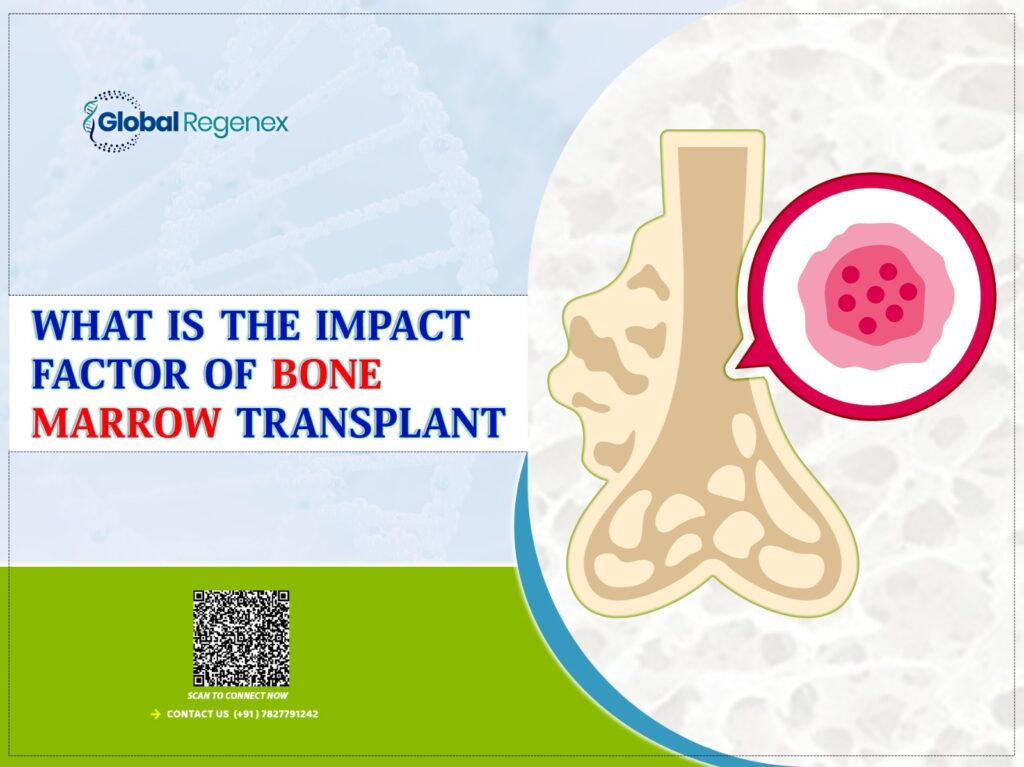
Summary: Bone marrow transplant (BMT) ranks among the most remarkable innovations in regenerative medicine, a treatment that essentially regenerates the patient’s body from within. In essence, it makes the body return to its own way of producing blood and immune cells by substituting the marrow with stem cells from healthy individuals. The main power of bone marrow transplantation is essentially in its high success rates, widening medical applications, and amazing potential of changing a life completely. A bone marrow transplant is a medical and emotional rescue for cancer patients, such as leukemia or lymphoma, and those with immune deficiencies. The procedure involves the replacement of the patient’s damaged or destroyed bone marrow with healthy stem cells that can later divide and mature into blood and immune cells. Many of the changes in safety and effectiveness of such treatments have been brought about by recent innovations in stem cell research, leading to fewer risks and better results. Basically, clinical data from different parts of the globe support the idea that bone marrow and stem cell treatments are not only a treatment for a condition but also a way to enhance patients’ total well-being and, eventually, secure their return to health. Overview of Bone Marrow Bone marrow, as you know, is the soft tissue inside our bones that is responsible for producing blood cells. When this system fails due to disease or damage, a bone marrow transplant restores it using healthy stem cells. Here are two types of bone marrow transplant: Autologous Transplant: It uses the patient’s own stem cells. Allogeneic Transplant: It uses stem cells from a compatible donor. With continuous improvements in transplant methods, donor matching, and immune management, success rates have dramatically increased over the last two decades. The True Impact Factor of Bone Marrow Transplant The impact of bone marrow transplants is measured according to the lives saved, immunity rebuilt, and hope restored. Medical Effectiveness In suitable cases, transplant success rates may be as high as 80–90%, with better prevention of relapse and fewer side effects. It has become a cornerstone in the treatment of blood cancers and marrow disorders. Regenerative Power As you know, stem cells taken from bone marrow have proven capable of more than just rebuilding blood. Research and studies in regenerative medicine show that they can support immune system repair, tissue regeneration, and even neurological recovery. This kind of potential makes bone marrow stem cells an important part of modern medicine. Emotional Healing Patients often describe dramatic improvements in energy, strength, and their perspective on life after transplant. It’s this combination of physical recovery and revitalization that underscores the true human impact of this procedure. How Research Is Strengthening Transplant Results Recent studies confirm that therapies based on stem cells are becoming increasingly safer and more effective. Mesenchymal stem cells in transplants support the regulation of immunity and the reduction of inflammation, as well as nerve and tissue repair. That is why bone marrow transplant remains such a powerful and versatile therapy, helping the body to rebuild and heal across multiple conditions. Factors Influencing Bone Marrow Transplant Success Here are some factors that may influence the result of a bone marrow transplant in patients: Patient’s Overall Health & Age A healthy body can handle the transplant process better. Younger patients usually recover quickly. However, improved transplant methods now allow many older patients to achieve positive results as well. Disease Stage Patient undergoing transplant at an early stage of their condition often leads to better long-term results. It is considered that, when the disease is less aggressive or has not progressed far, the body responds more effectively to new and healthy stem cells. Donor Compatibility Having a close genetic match with a donor and recipient is hard, but it can reduce the risk of graft rejection or graft versus host disease. Better matching means the new stem cells can integrate more naturally, enhancing the chances of stable and lasting recovery. Post-transplant Care Good nutrition, strict infection control, and regular medical follow-up contribute much toward successful healing. The first few months after transplantation are critical, and careful follow-up will prevent complications and help rebuild immunity. Medical Expertise Such outcomes are directly related to experienced transplant teams, advanced labs, and correct protocols. Experienced specialists will understand the risks, adjust treatments, and support the patient through every step of recovery, making the surgery safer and more successful. For Expert Advice: Global Regenex Global Regenex provides the patient with professional awareness of bone marrow and stem cell treatments, which are complex to understand, by providing professional evaluation, giving moral advice, and providing access to reliable global transplant centers. Support that is empathetic and covers every stage ensures each patient has a secure treatment journey, they are correctly informed, and their case is dealt with in confidence. The Bottom Line Bone marrow transplant remains a powerful combination of science and healing, restoring strength and immunity with a lasting impact. As research advances, its promise only grows, offering new hope to patients worldwide. For trusted consultation and access to advanced, evidence-backed therapies, Global Regenex remains your reliable partner in the journey toward recovery. Commonly Asked Questions Q1. What makes a bone marrow transplant effective? Ans. This reestablishes healthy blood and immune cell production and replaces diseased marrow, improving the chance of long-term survival. Q2. Is bone marrow or stem cell therapy safe? Ans. Yes, active clinical research supports its safety and indicates strong evidence of improved outcomes for a variety of diseases. Q3. Can bone marrow therapy treat more than cancer? Ans. Yes, it now helps patients who have autoimmune, genetic, and degenerative diseases. Q4. How can Global Regenex help? Ans. Global Regenex connects patients with recognized transplant programs while providing personalized, transparent, and ethical medical guidance. Reference Links Frontiers in Neurology (2022) – Review on the safety and clinical effectiveness of mesenchymal stem cell treatments in neurological disorders. Stem Cell Research & Therapy (2022) – Clinical applications of stem cell therapy in autoimmune diseases. Academic Press (2019)
Stem Cell Solutions for Orthopaedic Conditions
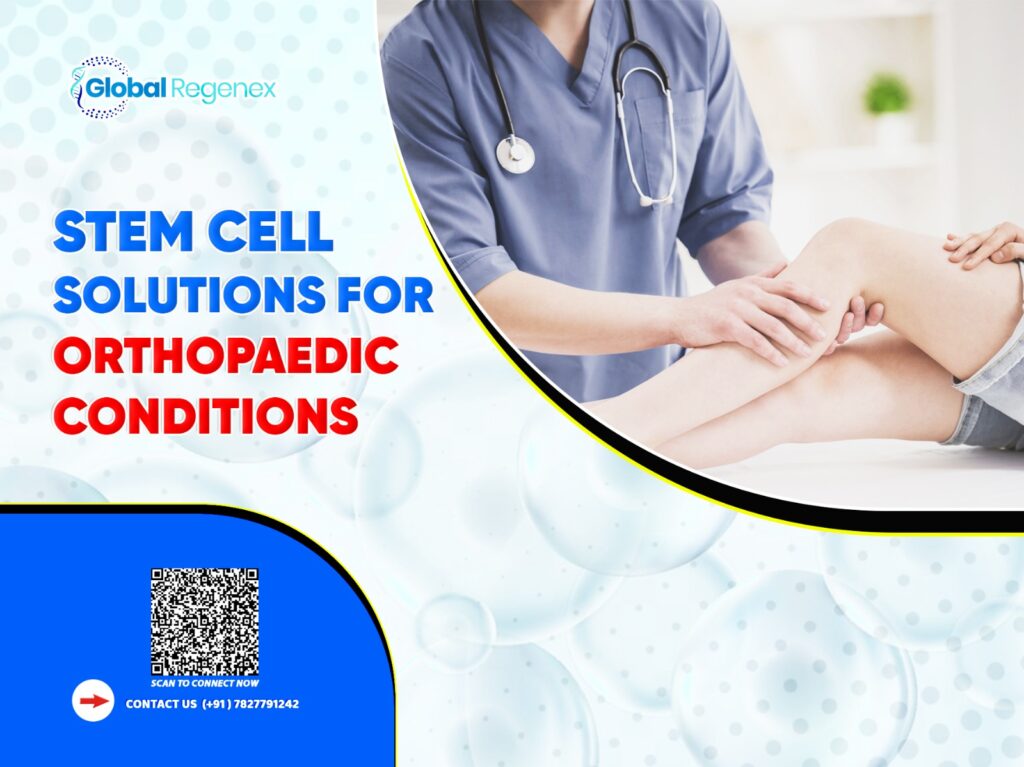
Summary: Stem cell therapy is becoming a dominant and attractive alternative to surgery for the treatment of various orthopaedic conditions such as arthritis, joint degeneration, ligament injuries, and chronic pain. As it facilitates the body’s own tissue repair, the therapy provides a sustained solution to the problem and enables patients to regain mobility. For many people, living with joint pain or recurring orthopaedic problems means that even the simplest activities can be a challenge. Many people want more than temporary relief, but they seek a treatment that helps the body heal itself. That is where stem cell therapy differs. It will treat the root cause, not mask pain, by renewing the tissues and bringing comfort back in a natural, supportive manner. Let’s keep reading to find out if stem cell therapy is the solution for your orthopaedic condition you were looking for. Understanding Stem Cell Therapy Stem cell therapy is a method that infuses the body with its own special repair cells, which then work to heal, soothe, and restore the injured area. The cells, to be specific, are capable of becoming healthy bone, cartilage, or muscle cells, but hence, they are the most ideal ones for solving joint and orthopedic problems of the nature, How Stem Cells Help in Orthopaedic Recovery? Here are some ways stem cells help in healing orthopaedic recovery: Repairing Damaged Joint Tissues These are cells that support the growth of new cartilage, which is useful in restoring the cushioning effect within a worn-out joint, such as a knee or hip. Decreased Inflammation and Pain They naturally calm inflammation, which therefore soothes painful stiffness without the use of long-term medication. Supporting Ligament and Tendon Healing With injuries ranging from tears in the ACL or the rotator cuff to Achilles tendon issues, stem cells contribute to faster and stronger tissue repair. Improving Mobility and Strength By restoring healthier tissues, patients will often regain movement, flexibility, and overall joint function. Surgical Delay or Avoidance For many, the relief with stem cell therapy is enough to delay or avoid joint replacement or other invasive orthopaedic surgeries. Conditions That Benefit From Stem Cell Therapy Here are some conditions that can benefit from stem cell therapy: Osteoarthritis The encouraging use of stem cells rejuvenates cartilage, reduces swelling, and makes walking or climbing stairs much easier than before. Sports Injuries Whether it is a meniscus tear, ligament sprain, or muscle strain, stem cells support faster healing and help athletes return to activity with better joint stability. Degenerative Disc Disease Thus, they can help in disc hydration, soothing irritated nerves by reducing chronic back pain and stiffness over time. Tendon and Ligament Disorders Stem cells foster strong, natural tissue repair, but hence, conditions like rotator cuff injuries, tennis elbow, plantar fasciitis, and stubborn tendon pain usually respond quite well. Post-Traumatic Joint Pain After falls, accidents, or impact injuries, the process of recovery is enhanced by stem cells rebuilding injured tissues and reducing long-term discomfort. Benefits of Stem Cell Therapy for Orthopaedic Care Here are some benefits of stem cell therapy: Allows tissues to heal naturally: Stem cells support actual healing through the rebuilding of damaged cartilage, ligaments, and soft tissues. Reduces Pain and Inflammation: They soothe swollen joints and alleviate pain without resorting to long-term use of painkillers. Improves Mobility and Flexibility: As tissues heal, joints become more mobile and feel more stable during daily activities. Quicker Recovery with Minimal Downtime: Being minimally invasive, most patients return to their routine life much sooner than with surgery. Lasting Relief: Instead of just temporary symptom control, stem cells encourage long-term improvement and healthier joint function. Stem cell therapy works with your body’s own healing power, helping you to move more comfortably and confidently again. Why Many Patients Prefer Regenerative Treatments Over Surgery? Surgeries are often costly, invasive, and may require a long period of recovery of several months. On the contrary, stem cell therapy is a less aggressive method and it will gradually make the patient able to regain the lost functions of strength and movement without any accompanying risks usually linked to major surgery. Expert Guidance With Global Regenex With so many different orthopaedic treatments available, it can become quite overwhelming. Global Regenex offers expert guidance in connecting patients with trusted regenerative specialists who are creating personalized plans tailored for each condition. Their patient-first approach ensures clarity, safety, and confidence at every step along the healing journey. The Concluding Thoughts Stem cell therapy is the future in the treatment of orthopaedic problems, as it promotes natural healing, reduces pain, and offers long-term improvement without the need for major surgery. If you are exploring regenerative solutions for joint or bone conditions, take a step toward a healthier and pain-free life with trusted, tailored support from Global Regenex. FAQs Q1. Can stem cells regrow cartilage? Ans. They can facilitate the growth of new cartilage and, hence, can improve cushioning within the joints and reduce pain. Q2. Is stem cell therapy safe to treat orthopaedic conditions? Ans. Yes, when performed at accredited medical centers with proper protocols and trained specialists. Q3. How long until results appear? Ans. Most patients observe gradual improvement within weeks and even better over a few months. Q4. Does it postpone joint replacement surgery? Ans. In most cases, yes, it can reduce symptoms enough to delay or even avoid surgery. Reference Link Gadelkarim M. et al. (2022). Safety and efficacy of adipose-derived mesenchymal stem cells for knee osteoarthritis: A systematic review and meta-analysis. https://doi.org/10.1016/j.jbspin.2022.105404 Lamo-Espinosa JM et al. Intra-articular MSC injections for knee osteoarthritis – Randomized controlled trial. https://pubmed.ncbi.nlm.nih.gov/28961506/ Journal of Clinical Medicine (MDPI) Clinical outcomes of MSC therapy in knee osteoarthritis. https://www.mdpi.com/2077-0383/9/11/3412 Gadelkarim M et al., 2022 Safety and efficacy of adipose-derived MSCs for knee OA – Systematic review. https://stemcellres.biomedcentral.com/articles/10.1186/s13287-022-02805-3 Jo CH et al. MSC treatment for rotator cuff tears improves healing. https://pubmed.ncbi.nlm.nih.gov/27825735/ Frontiers in Immunology Anti-inflammatory mechanisms of MSCs in chronic musculoskeletal pain. https://www.frontiersin.org/articles/10.3389/fimmu.2020.02041/full Bianco P et al. Clinical safety profile of mesenchymal stem cell therapy. https://stemcellres.biomedcentral.com/articles/10.1186/s13287-016-0343-5
Combining Stem Cells with Immunotherapy for Cancer Recovery
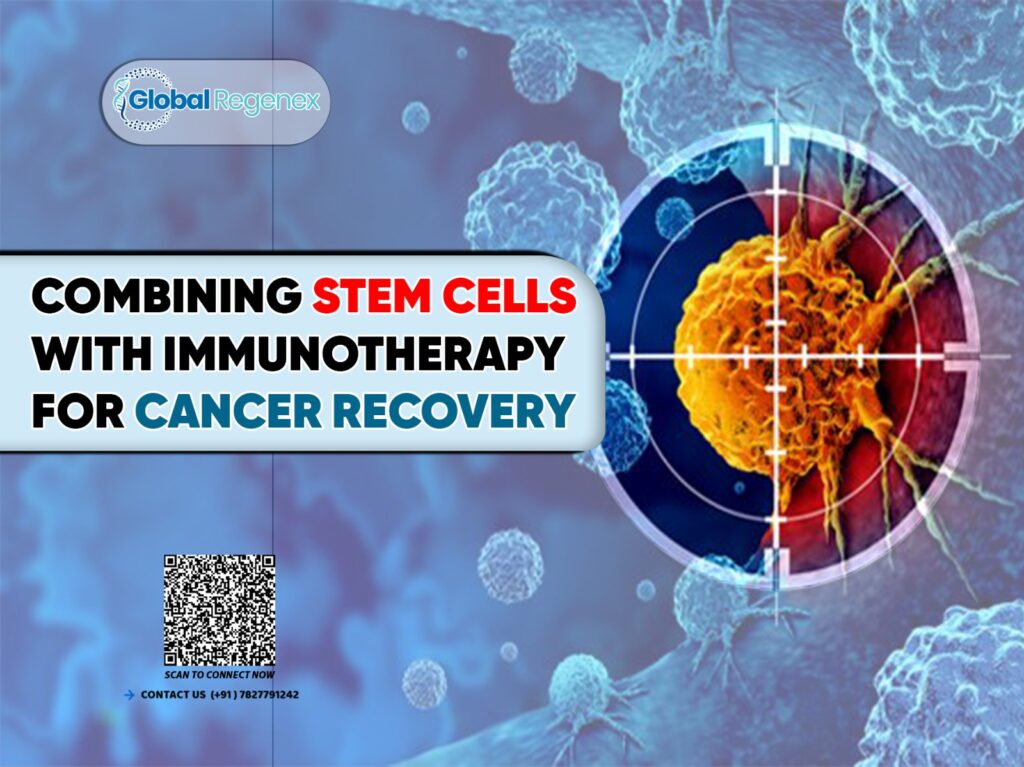
Summary: As the cancer patients is increasing, so is the treatment evolving rapidly. One of the most promising combinations of stem cell treatment with immunotherapy. Fortunately, together, they aim to rebuild the immune system, repair treatment damage, and strengthen the body’s natural healing power to fight cancer. This blog explains how these two therapies work together and why medical experts are researching this powerful treatment. Millions of patients around the world suffer from cancer every year. This condition not only weakens the body but also can disrupt the immune system that is meant to protect it, which, sometimes unfortunate events. Traditional treatment like chemotherapy and radiation can be lifesaving, yet they often leave the patient’s body exhausted and vulnerable. Fortunately, with the advances in medical science, a combination approach where stem cells help the body recover, and immunotherapy trains the immune system to attack cancer cells more effectively. When used together for the patient, it often offers a more complete healing strategy and hope for a healthier future. What Is Stem Cell Therapy in Cancer Care? Stem cell therapy helps in rebuilding tissues and bringing back immune strength after intensive treatments for cancer. Healthy stem cells can help in recovery by: Repairing bone marrow damaged by chemotherapy Restoring healthy blood and immune cell production Treatment-related reduction of inflammation Improved energy, healing, and resilience These regenerative benefits make stem cells a strong companion to immunotherapy. Understanding Immunotherapy Immunotherapy aims at engaging the immune system itself to fight against the cancerous cells. It encompasses the following: Checkpoint inhibitors remove the barriers that cancer uses to hide. CAR-T cells are genetically modified immune cells that attack cancer. Monoclonal antibodies targeting and weakening tumor growth Unlike chemotherapy, immunotherapy fights cancer from inside the body. Why Combine Stem Cells with Immunotherapy? Stem cells work to repair and strengthen what cancer and its treatment weaken. With immunotherapy on the side, it pushes the immune system to target cancer more precisely. Together, the blend aims to: Enhance your immune cell recovery. It reduces inflammation that interferes with treatment Also, strengthen the immune system’s attack on cancer It helps the body tolerate immunotherapy better Reduce relapse risk by supporting a healthier immune environment. The combined approach to fighting cancer supports both healing and targeted cancer control. How Does the Combination Work Inside the Body? Stem cells renew a body that is less healthy by repairing bone marrow and by providing the immune system with the necessary rebuilding. After that, Immunotherapy utilizes this firmer immune base to: Cancer cells can be seen with more accuracy Infiltrate tumors with greater power Immunocytes are still active for quite some time after treatment An immune system that is in better shape is the reason why immunotherapy works to a higher degree, and stem cells are largely responsible for laying this groundwork. What Research Suggests About Mesenchymal Stem Cells for Cancer? Recent research has explored how mesenchymal stem cells influence cancer and the immune system. Research and studies show that MSCs can: MSCs interact with the tumor environment It influences how the immune system responds It affects treatment sensitivity or resistance Participates in tissue repair after cancer therapy These studies help doctors understand how to use stem cells safely alongside immunotherapy, not as a cancer cure, but as a way to support the patient’s body healing and immune strength. The pivotal point from current research is that MSC behavior depends heavily on how they are prepared and administered, which is why expert supervision is important. Benefits of Combining Stem Cells with Immunotherapy Here are some benefits of this treatment: Faster Immune Recovery: These help rebuild blood and immune cells more quickly, and the body is able to recover sooner after chemotherapy or intensive treatment. Better Treatment Tolerance: A stronger immune foundation reduces common side effects and helps the patient handle immunotherapy more comfortably and in a much stable way. Stronger Anti-Cancer Response: Immunotherapy works most effectively when the immune system itself is healthier, which enables immune cells to recognize and attack cancer cells more precisely. Reduced Inflammation: Stem cells naturally calm inflammation, creating a healthier internal environment that supports both healing and the action of immune therapies. Lower Risk of Relapse: A balanced immune system is much more capable of controlling tumors over a longer period and of reducing disease recurrence. For Consultancy The blend regenerative and immunotherapy methods needs clarity, an expert evaluation, and ethical support. Global Regenex assists patients to: Comprehend possible treatments through medical reports Engage with reliable international experts Surely handle intricate treatment choices Receive comprehensive care, starting from the evaluation to the rehabilitation The arrival of the patient-focused approach is a guarantee of safety, openness, and ease at every phase. To Bring It All Together A combination of stem cells and immunotherapy represents a paradigm shift toward more effective recovery from cancer, while fortifying the body and immunity to enhance the overall treatment response. The evolving research continues to show promise for this combination in improving long-term outcomes. For personalized consultation and access to high-end regenerative options, Global Regenex supports patients by guiding them through safe, informed pathways to healing. Frequently Asked Questions (FAQs) Q1. Does immunotherapy target cancer stem cells? Ans. It can target some cancer stem cells, but this varies by type of cancer. Combining treatments often improves the effectiveness. Q2. How can I beat stage 4 cancer? Ans. A personalized combination of treatments, immunotherapy, targeted therapy, chemotherapy, or supportive care offers the best possibility of longer survival with better quality of life. Q3. Can immunotherapy be combined with other treatments? Ans. Yes, it is often combined with chemotherapy, radiation, targeted therapy, or stem cell–based support for stronger results. Q4. Who qualifies for this combined therapy? Ans. Candidates are selected considering the type of cancer, general health, and state of immunity. Reference Links Mesenchymal stem cells in cancer progression and anticancer therapeutic resistance Xuan, X., Tian, C., Zhao, M. et al. Cancer Cell International, 2021 https://doi.org/10.1186/s12935-021-02300-4 Doulatov S. et al. Immune and blood
When Should You Opt for Stem Cell Therapy Instead of Surgery?
Summary: Nowadays, surgery is not the only way to recover from a condition. For many patients suffering from severe pain in their joints, sports injuries, and chronic inflammation, stem cell therapy provides a safe alternative, a natural and minimally invasive way to treat their condition. With its regenerative potential and faster recovery, it’s helping people heal without the risks of surgery. Are you struggling with severe pain but hesitant to undergo surgery? Many people fear surgery, and for good reason. Long recovery times, pain, scarring, and possible complications make it a big decision for any patient to take. Fortunately, stem cell therapy provides a less invasive alternative, one that helps your body heal naturally, without the need for surgical intervention. It focuses on regeneration rather than replacement, using your body’s own cells to repair damaged tissues and restore mobility. Let’s explore when stem cell therapy might be the better choice for you over surgery, through expert guidance from Global Regenex. Understanding the Basics: Stem Cell Therapy vs. Surgery The methods for stem cell therapy and surgery are drastically different. Surgery generally means cutting, removing, or replacing something, e.g., replacing a knee joint or repairing torn ligaments with a synthetic material. It is an invasive procedure and thus requires a significant recovery period. On the other hand, stem cell therapy is a minimally invasive regenerative treatment. It uses stem cells, the body’s master cells, which can be changed into muscle, bone, or cartilage cells. On their own, they fix, build up, lessen the swelling, and even facilitate the body’s natural healing process when they are injected in the injured area. In fact, stem cell treatments do not directly target the symptoms, but rather, they help the body to heal internally. When to Choose Stem Cell Therapy Over Surgery? Stem cell therapy in India can be a powerful option in several cases: Early Stage Joint Damage: If your arthritis or joint wear is still in its early stages, stem cell treatment can help regenerate cartilage and delay or even prevent the need for surgery. Sports Injuries: If you are suffering from torn ligaments or tendons can often heal through regenerative therapy, avoiding surgical repair. Chronic Pain & Inflammation: For many conditions like back pain, disc degeneration, or tendonitis, stem cells can reduce inflammation and promote tissue repair. Patients Unfit for Surgery: Older patients or those with medical risks may benefit from stem cell therapy low-risk, non-surgical nature. Faster Recovery Needs: For professionals and athletes, stem cell therapy that allows quicker recovery and return to activity without long downtime. What Health Issues Can Stem Cell Therapy Help With? Here are some benefits of stem cells that are recognized for a wide range of health issues, from severe pain to complex disorders: Muscle and Joint Pain Stem cell therapy is used widely for treating conditions such as osteoarthritis, sports-related injuries, and tendinitis. Stem cell work to reduce inflammation and promote cartilage regeneration, they help restore joint function and ease pain. Benefits of stem cell treatment for muscle and joint pain-related issues often include: Decreased joint inflammation Improved range of motion It reduces the need for surgery Autoimmune Disorders The main benefits of stem cell therapy for diabetes and other autoimmune disorders, like lupus and rheumatoid arthritis, which is that the ability to reduce and calm the overactive immune system, which helps in disease progression. This treatment works by modulating immune responses and preventing the body from attacking the other healthy cells. Here are some key advantages of adult stem cells: Lesser flare-ups and symptoms Reduced use of immunosuppressive drugs Long-term balance Nerve and Brain Conditions The benefits that stem cells can offer for Alzheimer’s and other neurological conditions, such as Parkinson’s disease, spinal cord injuries, and stroke recovery, are their potential to help repair damaged nerve cells and support brain function. In early clinical trials, patients have improved in: Motor control and coordination Memory and cognitive function Sensory and nerve response Anti-Aging and Skin Rejuvenation Not only can stem cells treat diseases, but they can work a miracle for your appearance, too. The advantages of stem cells for skin include restoring and rejuvenating skin tone. They stimulate collagen production, improve the texture of the skin, and repair cells that have been damaged by age or the sun. Cosmetic applications include: Smoothening wrinkles and fine lines Improving skin elasticity Improved mobility of the joints For Expert Advice Global Regenex believes in empowering the patients to decide between operation and stem cell treatment with expert assessment, personalized plans, moral conduct, and full overseas support-merging the accuracy of medicine with the warmth of human care. Concluding Remarks Say no to major surgery and yes to the body’s natural healing. Get in touch with Global Regenex immediately to know how a safe, efficacious, and affordable stem cell therapy in India can be your dream rescue for speedy recovery without making any compromises and a radical solution to your problem. Frequently Asked Questions Q1. Is stem cell therapy better than surgery? Ans. For mild to moderate conditions, stem cell therapy offers natural healing without surgery. Severe cases may still need surgical treatment. Q2. Who is a good candidate for stem cell therapy? Ans. Individuals experiencing joint pain, arthritis, or injuries and seeking non-surgical, regenerative treatments are ideal candidates. Q3. Is stem cell therapy before or after surgery? Ans. It’s often tried before surgery as a natural option and can also support post-surgical recovery. Q4. Is stem cell therapy a safe and legal practice in India? Ans. Yes, the procedure is done under very stringent ICMR and GMP-certified protocols to ensure the safety of the patients. References Links Jasim, S.A., Yumashev, A.V., Abdelbasset, W.K. et al. Shining a light on the clinical application of mesenchymal stem cell therapy in autoimmune diseases. Stem Cell Res Ther 13, 101 (2022). https://doi.org/10.1186/s13287-022-02782-7 “Stem Cell Therapy for Knee Osteoarthritis: Current Clinical Evidence” – JCM https://www.mdpi.com/2077-0383/9/11/3412 Frontiers in Bioengineering Regenerative stem cell treatment as alternative to total joint replacement. https://www.frontiersin.org/articles/10.3389/fbioe.2020.00864/full Jasim SA,
The Role of Stem Cells in Diabetic Wound Healing
Summary: Stem cell therapy is bringing hope to patients by transforming modern medicine with its ability to repair, regenerate, and restore damaged tissues. While traditional treatment often fails to heal diabetic wounds fully, leading to infection and other severe cases, amputations. This blog explores how stem cells aid in diabetic wound healing and why consulting with Global Regenex can help you access safe and effective regenerative treatments. Have you or someone close to you struggled with wounds that just won’t heal due to an underlying diabetes? If you are nodding yes, that is okay. Millions of people around the world face similar challenges, as diabetes can severely affect the body’s ability to repair itself. These chronic wounds, like diabetic foot ulcers, often resist standard treatments like ointments, antibiotics, or even surgery. But medical science is providing a new hope through stem cell therapy, a treatment that uses the body’s own healing cells to regenerate tissue, reduce inflammation, and restore healthy blood flow in the area. What Are Stem Cells? Stem cells are unique cells that have the ability to differentiate into various types of tissue, including skin, blood vessels, and nerve cells. Stem cells are able to locate where there is damage and begin to repair the injured tissue by releasing growth factors and generating new cells. The most commonly employed mesenchymal stem cells (MSCs) for diabetic wound repair are usually derived from adipose tissue or bone marrow. MSCs possess great healing potential and restore normal processes of repair deranged in diabetes. How Does Diabetes Affect Wound Healing? Diabetes can cause chronic issues that delay wound recovery: Blood Circulation Issues: The delivery of oxygen and nutrients decreases, delaying the healing of tissues. Nerve Impairment (Neuropathy): Patients do not sense a minor cut or blister, which permits these areas to get worse. Impaired Immune Response: There is a likelihood of the body developing infections. Reduced Growth Factors: The signaling process for healing is diminished in the body. Taking all this into account, diabetic wounds can potentially heal in months or years, or patients may have an infection or an amputation. How Stem Cells Help Heal Diabetic Wounds? Here are some ways to stem cells can help heal diabetic wounds: Promoting Regeneration and Repair of Tissues Stem cells inherently promote the regeneration of damaged tissues by differentiating into skin and muscle cells, which promotes a quicker healing process with less scarring. Promoting New Blood Supply Stem cells promote the formation of new blood vessels through a process called angiogenesis, which brings oxygen and nutrients to the area. Reducing Inflammation Chronic wounds are often inflamed, which delays the healing continuum, but stem cells can release anti-inflammatory molecules that will inhibit inflammatory mediators and allow for new cells to grow. Reducing the Risk of Infection Stem cells activate local immunity and ultimately work to promote healing, therefore reducing the risk of infections common in diabetic wounds. Restoring Skin Integrity Stem cells will regenerate new healthy skin tissue, improving the overall elasticity and appearance of the wound area, decreasing the chance of recurrence. Benefits of Stem Cell Therapy for Diabetic Wound Healing Here are some benefits of undertaking stem cell therapy for diabetic wound healing: Faster recovery compared to other traditional treatments. It reduces pain and inflammation during healing. Enhanced blood circulation in affected areas and limbs. Lower risk of amputation in severe ulcer cases. Minimal side effects, since it uses the body’s own cells. Long-lasting results with tissue regeneration instead of temporary relief. Why Choose Global Regenex for Stem Cell Therapy? Global Regenex is a top-tier consultancy specializing in regenerative medicine. The organization is dedicated to helping patients access cutting-edge, clinically corroborated stem cell therapies for an array of chronic ailments, including diabetic wounds. Here are a few reasons why patients put their trust in Global Regenex: Expert Medical Framework: Work with accredited hospitals and regenerative-based specialists. Patient-Centered: Personalized treatment plans based upon the patient’s age, condition, and medical history. Safety and Compliance: The treatment is being conducted based on ethical and international clinical guidelines. Comprehensive Assistance: Onboard support ranging from pre-treatment assessment and onboarding to post-therapy recovery adjacency. Global Reach: Providing opportunities for local and international patients to be immersed in a medical facility of the highest standards in India. Global Regenex believes in healing through innovation – giving patients back hope and quality of life through considered, evidence-based stem cell therapy. Putting It All Together Stem cell therapy is transforming diabetic wound care by emphasizing healing from within. It represents new hope for those with non-healing ulcers and foot complications due to diabetes. If you or your loved one lives with diabetic wounds, do not wait until your complications worsen. Call Global Regenex today to learn more about our tailored regenerative solutions to help your body heal naturally and complete sanatively. Frequently Asked Questions (FAQs) Q1. Is stem cell therapy safe for diabetic patients? Ans. Yes. The type of treatment uses the patient’s own stem cells or ethically sourced donor cells, reducing any chances of rejection or side effects. Q2. How long until I notice results? Ans. Most patients begin to notice improvements, typically in a few weeks. Complete healing may vary depending on the severity of the wound, but it can take several months. Q3. Will I require hospitalization for the treatment? Ans. Most cases of stem cell treatment are minimally invasive, require no hospitalization, and have been successfully performed on an outpatient basis. Q 4. How can I get started with treatment with Global Regenex? Ans. You can call and reach Global Regenex through their consultation service for a discussion on your condition and the creation of a personal treatment plan. List of References 1. Harnessing Mesenchymal Stromal Cells for Advanced Wound Healing (2025) https://www.mdpi.com/1422-0067/26/1/199 2. Adipose-Derived Stem Cell Secretome in Diabetic Foot Ulcer Healing (2024) https://stemcellres.biomedcentral.com/articles/10.1186/s13287-024-03912-z 3. The Potential of Mesenchymal Stem/Stromal Cells in Diabetic Wounds (2024) https://www.mdpi.com/1422-0067/25/22/12171 4. Scaffold-Based Delivery of Mesenchymal Stromal Cells to Diabetic Wounds (2022) https://stemcellres.biomedcentral.com/articles/10.1186/s13287-022-03115-4 5. Perinatal Tissue-Derived MSCs Promote Diabetic