
Types of Stem Cells Used in Treatment: Bone Marrow vs Adipose vs Cord Tissue
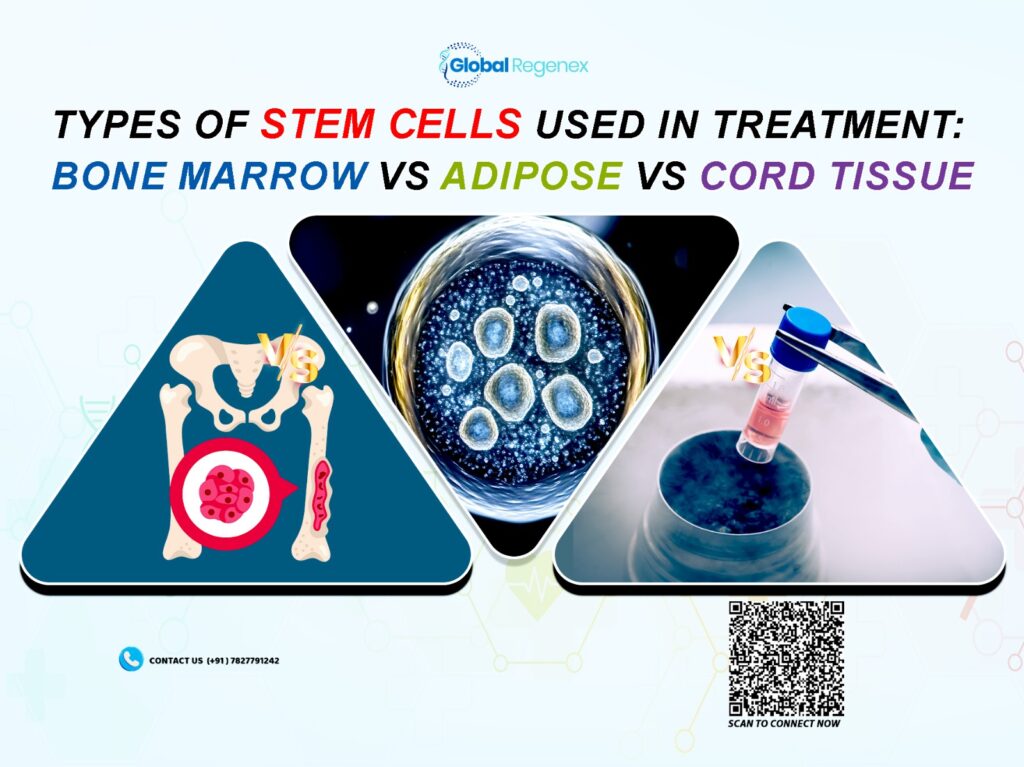
Summary: Stem cell therapy is advancing regenerative medicine through tissue repair, immune modulation, and clinical research. Different stem cell sources, including MSCs and umbilical cord cells, continue supporting evidence-based therapeutic applications in modern healthcare. In today’s world of medicine, regenerative medicine practices are becoming more popular due to their ability to restore and regenerate human tissue that has been harmed. Regenerative medicine is concerned with the treatment and restoration of health conditions by restoring and regenerating human cells, tissues, and organs using biological procedure instead of surgical replacement The application of stem cell therapy is common because of the capability of stem cells to become specific cells and participate in the natural repair process. Recently, stem cell therapy has been shifting from experimentation to evidence-based practice based on controlled trials and regulatory guidance. Understanding Stem Cells: A Clinical Overview Stem cells are described as undifferentiated cells that have the ability to reproduce and become other types of differentiated cells. They are very important in medical practice because they have the potential to help in the process of tissue repair and regeneration, and they can even modulate inflammatory responses. These are some of the reasons why stem cells are highly researched and sought after in regenerative medicine. Examples of common stem cells utilized for treatment purposes are adult stem cells, perinatal stem cells, and mesenchymal stem cells (MSCs). While adult stem cells can be derived from bone marrow or fat tissue, perinatal stem cells are extracted from umbilical cord tissues. On the other hand, mesenchymal stem cells are extensively investigated because of their regenerative anti-inflammatory, and immune-modulating effects. Stem Cells That Has Been Used in Various Treatments Use of stem cells in regenerative medicine has become more common because of research conducted and the types of stem cells available. Differentiating the types of stem cells used in regeneration is done based on regenerative potential, compatibility with tissues, and specific uses. In current medical research, researchers try to figure out how different stem cells could help in regenerating tissues and improving patients’ health through specific conditions. Below are some of the stem cells widely used in therapy: Induced Pluripotent Stem Cells: iPSCs are stem cells obtained from adult cells and reprogrammed to develop into different cell types. They are widely used in disease models. Mesenchymal Stem Cells: MSCs are commonly studied because of their anti-inflammatory, immunomodulating, and repair properties. Adipose Tissue Stem Cells: The former is defined by cells that are derived from adipose tissue and commonly used in research pertaining to orthopedic medicine and regenerative medicine. Umbilical Cords Stem Cells: The latter is defined by cells that are collected from umbilical cords right after birth and have low immunogenic properties and regeneration abilities. Bone Marrow Stem Cells: Bone marrow cells are commonly used in hematology as well as in bone marrow transplants because of their hematopoietic qualities. Differentiate Between Bone Marrow Vs Adipose Tissue Vs Cord Tissue Stem Cells Feature Bone Marrow Stem Cells Adipose Tissue Stem Cells Cord Tissue Stem Cells Source Bone marrow Fat tissue Umbilical cord tissue Collection Method Invasive aspiration procedure Minimally invasive liposuction Collected after birth Cell Yield Moderate High Moderate to high Age Influence Cell quality may decline with age Less affected by aging Young biological profile Clinical Focus Blood disorder and regeneration Orthopedic and regenerative use Immune modulation and tissue repair Immunogenicity Moderate Low Very low Research Interest Long-established Rapidly growing Increasing in regeneration medicine Safety, Ethics, and Regulatory Considerations in Stem Cell Therapy Increased usage of regenerative medicine has made it crucial to maintain high levels of safety, ethics, and regulation in the practice of clinical medicine. The field of stem cell treatment is one of the fields that have seen tremendous developments within the recent past. This means that there is a need to regulate its responsible use in order to ensure the health of patients and maintain scientific integrity. Safety for Patients: The stem cell process needs to be performed in a qualified medical environment where there is an appropriate screening and monitoring process in place. Evidence-Based Practice: The clinical treatment that has scientific evidence and support is essential to increase credibility. Ethical Procurement of Cells: Stem cells need to be extracted using the right process involving the approval from the patient or donors themselves. Regulation Process: There are health regulations involved to ensure quality in laboratory processing, storage, and treatments. Risk Involved: There might be certain risks associated with the procedure including infections immunity reactions, or clinical effects. Final Thoughts Stem cell therapy is still influencing the future of regenerative medicine due to clinical investigations that enhance use of evidence-based approaches in treatments. Various types of stem cells, such as those from bone marrow, fat tissues, and umbilical cord tissue, have different biological characteristics that may be helpful in specific medical application. Stem cell therapy requires that the selection of various types of stem cells be made based on their potential to help patients recover and their suitability within an ethical and regulated environment. Questions That Are Frequently Asked Q1. Why are stem cells relevant to regenerative medicine? Ans: Since they have the potential of assisting with natural body healing mechanisms, tissue regeneration, and even immune system modulation in many clinically based applications. Q2. What is the difference between bone marrow stem cells and fat-derived stem cells? Ans: Bone marrow cells are studied extensively, whereas fat-derived stem cells have greater production rates and less invasive methods of collection. Q3. Are stem cells collected from the umbilical cords obtained in an ethical manner? Ans: Yes, stem cells from umbilical cords are obtained post-birth via legal procedures with informed consent of parents. Q4. Are all treatments involving stem cells scientifically validated? Ans: No, not all treatments have full scientific proof, hence the need for further clinical studies. Q5. Where do we obtain stem cells for treatment purposes? Ans: They may be acquired through bone marrow, adipose tissue, peripheral blood, or umbilical cord tissue. ____________________________________________________________________________ References FDA – Regenerative Medicine Consumer
What Is The Impact Factor of Bone Marrow Transplant?
Summary: Bone marrow transplant (BMT) ranks among the most remarkable innovations in regenerative medicine, a treatment that essentially regenerates the patient’s body from within. In essence, it makes the body return to its own way of producing blood and immune cells by substituting the marrow with stem cells from healthy individuals. The main power of bone marrow transplantation is essentially in its high success rates, widening medical applications, and amazing potential of changing a life completely. A bone marrow transplant is a medical and emotional rescue for cancer patients, such as leukemia or lymphoma, and those with immune deficiencies. The procedure involves the replacement of the patient’s damaged or destroyed bone marrow with healthy stem cells that can later divide and mature into blood and immune cells. Many of the changes in safety and effectiveness of such treatments have been brought about by recent innovations in stem cell research, leading to fewer risks and better results. Basically, clinical data from different parts of the globe support the idea that bone marrow and stem cell treatments are not only a treatment for a condition but also a way to enhance patients’ total well-being and, eventually, secure their return to health. Overview of Bone Marrow Bone marrow, as you know, is the soft tissue inside our bones that is responsible for producing blood cells. When this system fails due to disease or damage, a bone marrow transplant restores it using healthy stem cells. Here are two types of bone marrow transplant: Autologous Transplant: It uses the patient’s own stem cells. Allogeneic Transplant: It uses stem cells from a compatible donor. With continuous improvements in transplant methods, donor matching, and immune management, success rates have dramatically increased over the last two decades. The True Impact Factor of Bone Marrow Transplant The impact of bone marrow transplants is measured according to the lives saved, immunity rebuilt, and hope restored. Medical Effectiveness In suitable cases, transplant success rates may be as high as 80–90%, with better prevention of relapse and fewer side effects. It has become a cornerstone in the treatment of blood cancers and marrow disorders. Regenerative Power As you know, stem cells taken from bone marrow have proven capable of more than just rebuilding blood. Research and studies in regenerative medicine show that they can support immune system repair, tissue regeneration, and even neurological recovery. This kind of potential makes bone marrow stem cells an important part of modern medicine. Emotional Healing Patients often describe dramatic improvements in energy, strength, and their perspective on life after transplant. It’s this combination of physical recovery and revitalization that underscores the true human impact of this procedure. How Research Is Strengthening Transplant Results Recent studies confirm that therapies based on stem cells are becoming increasingly safer and more effective. Mesenchymal stem cells in transplants support the regulation of immunity and the reduction of inflammation, as well as nerve and tissue repair. That is why bone marrow transplant remains such a powerful and versatile therapy, helping the body to rebuild and heal across multiple conditions. Factors Influencing Bone Marrow Transplant Success Here are some factors that may influence the result of a bone marrow transplant in patients: Patient’s Overall Health & Age A healthy body can handle the transplant process better. Younger patients usually recover quickly. However, improved transplant methods now allow many older patients to achieve positive results as well. Disease Stage Patient undergoing transplant at an early stage of their condition often leads to better long-term results. It is considered that, when the disease is less aggressive or has not progressed far, the body responds more effectively to new and healthy stem cells. Donor Compatibility Having a close genetic match with a donor and recipient is hard, but it can reduce the risk of graft rejection or graft versus host disease. Better matching means the new stem cells can integrate more naturally, enhancing the chances of stable and lasting recovery. Post-transplant Care Good nutrition, strict infection control, and regular medical follow-up contribute much toward successful healing. The first few months after transplantation are critical, and careful follow-up will prevent complications and help rebuild immunity. Medical Expertise Such outcomes are directly related to experienced transplant teams, advanced labs, and correct protocols. Experienced specialists will understand the risks, adjust treatments, and support the patient through every step of recovery, making the surgery safer and more successful. For Expert Advice: Global Regenex Global Regenex provides the patient with professional awareness of bone marrow and stem cell treatments, which are complex to understand, by providing professional evaluation, giving moral advice, and providing access to reliable global transplant centers. Support that is empathetic and covers every stage ensures each patient has a secure treatment journey, they are correctly informed, and their case is dealt with in confidence. The Bottom Line Bone marrow transplant remains a powerful combination of science and healing, restoring strength and immunity with a lasting impact. As research advances, its promise only grows, offering new hope to patients worldwide. For trusted consultation and access to advanced, evidence-backed therapies, Global Regenex remains your reliable partner in the journey toward recovery. Commonly Asked Questions Q1. What makes a bone marrow transplant effective? Ans. This reestablishes healthy blood and immune cell production and replaces diseased marrow, improving the chance of long-term survival. Q2. Is bone marrow or stem cell therapy safe? Ans. Yes, active clinical research supports its safety and indicates strong evidence of improved outcomes for a variety of diseases. Q3. Can bone marrow therapy treat more than cancer? Ans. Yes, it now helps patients who have autoimmune, genetic, and degenerative diseases. Q4. How can Global Regenex help? Ans. Global Regenex connects patients with recognized transplant programs while providing personalized, transparent, and ethical medical guidance. Reference Links Frontiers in Neurology (2022) – Review on the safety and clinical effectiveness of mesenchymal stem cell treatments in neurological disorders. Stem Cell Research & Therapy (2022) – Clinical applications of stem cell therapy in autoimmune diseases. Academic Press (2019)
What is Bone Marrow Transplant?
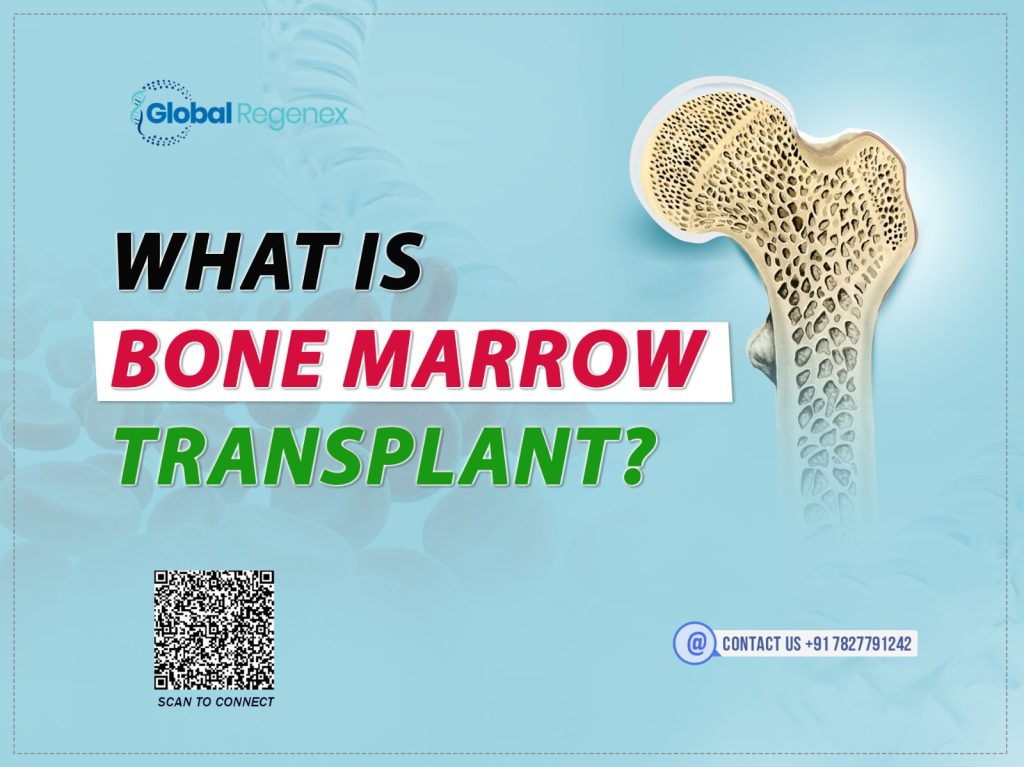
Have you ever stopped to consider how contemporary regenerative medicine battles life-altering blood conditions or some cancers, such as leukemia? Let us be honest here, one of the most exciting treatments today is the bone marrow transplant, an operation that has changed so many lives globally. If you are familiar with it but do not entirely know how it works. Let’s investigate how the amazing process functions, how it employs stem cells, and why it’s an integral component of cutting-edge medical treatment today. What Is a Bone Marrow Transplant? Bone marrow transplant, also known as stem cell treatment, is a medical treatment in which damaged or impaired bone marrow is replaced by healthy stem cells. The stem cells might come from the patient’s own body (autologous) or a donor (allogeneic transplant). The true goal of this procedure is to help the patient’s body produce healthy blood cells again, which will revive the immune system and enhance the chance of recovery from life-threatening diseases. How Does Stem Cell Therapy Work in a Transplant? The process of bone marrow transplant relies on stem cell therapy in India. After a patient has gone through strict therapies like chemotherapy or radiation therapies, which destroyed the sick cells, healthy stem cells can be introduced into the patient’s blood. From the blood, the stem cells will circulate to the bone marrow, and they will stay and commence the process of producing blood cells respectively. There is hope that the therapy can cure many diseases that were considered critical and difficult to cure before, and that the practice will expand from the establishment of new medicine and breakthroughs each year. Who Needs a Bone Marrow Transplant? This advanced bone marrow transplant can also be used in treating the following diseases: Leukemia Lymphoma Multiple Myeloma Severe Aplastic Anemia Inherited blood disorders (like thalassemia and sickle cell anemia). Patients with above mentioned conditions before undergoing the treatment, doctors will evaluate your case carefully to determine if this transplant is the right choice for you, depending on your condition, age, and overall health. The Bone Marrow Transplant Journey: What to Expect Evaluation: Before your treatment, doctors run some tests to check if you are a good candidate. Stem Cell Harvest: Stem cells are derived from the patient’s own bone marrow or a donor. Transplant Day: After complete evaluation, the patient is infused with stem cells, similar to a blood transfusion. Post-Treatment Recovery & Care: Patients are closely monitored as new cells start working after the transplant. Recovery might take several months or weeks, and the patient may need to spend time in a sterile environment initially to prevent infection. For Expert Advice For trusted expert guidance, look to Global Regenex. Their staff of experts stands ready to walk you through each step of the process, responding to your questions regarding stem cell therapy, discussing the possible advantages, and assisting you in deciding if stem cell treatment in Delhi is the best option for you. As Conclusion Bone marrow transplants are more than a medical procedure—they’re a second chance at life for those suffering from serious diseases. Through the miracle of stem cell technology, this kind of procedure has changed healing and recovery forever. If you, a loved one, or a family member needs treatment, knowing about bone marrow, stem cells, and transplants will help with informed decision-making and hope through science.
Bone Marrow Transplant Survival Rate by Age
Seeking answers about bone marrow transplant, and what is its survival rate for different ages? Let’s be honest, just by hearing about bone marrow transplant, some might feel intimidated, even when you are attempting to understand the survival rates and results. If you or your closest ones are on this treatment journey, then it is important to know how age affects recovery and long-term success. Whether you are a worried patient, an adult patient, or a caregiver for an elderly person, being informed can make the process seem a little more manageable. In this blog, you will find out how age influences bone marrow transplant success for patients of different ages and why stem cell therapy is a revolution in bone marrow transplant. What Is a Bone Marrow Transplant? When you think of a transplant, you might think it’s a surgical process, but not necessarily. Bone marrow transplant is actually a medical process that replaces cancerous or destroyed bone marrow with normal stem cells. These stem cells can be sourced from the patient’s own body (autologous transplant) or a donor (allogeneic transplant). The main aim is to restore the body with healthy blood cells, to treat conditions like leukemia and severe aplastic anemia. How Age Influences Bone Marrow Transplant Survival Rates? When undergoing a bone marrow transplant, age is an important factor in whether or not your bone marrow transplant will be successful. It’s not only one, but it’s a larger one that physicians take into careful consideration when determining treatment. Infants & Children Young patients often have the best survival rates, usually over 85%, depending on the disease and type of transplant they are undergoing. Younger patients’ immune systems are more adaptable to stem cell transplant, minimizing complications. Adults (18-50 Years) Patients in this category have relatively high success rates, which are typically up to typically 60 to 80%. Bone marrow transplant results are affected by factors like overall health, how well the patient responds to chemotherapy, and the nature of the bone marrow disease. Older Adults (50+ Years) Patients older than 50 years have success rates that decrease with age, frequently to 40 to 60%, although varying. Older patients can experience more complications, which might be infections and longer recovery times, due to compromised immune systems and underlying medical conditions. Why Stem Cell Advancement Matters? Just by discovering the potential of stem cells has now promisingly changed the way, usually diseases were treated before. Stem cell use has also transformed the bone marrow transplant procedure. Here how: Improved Matches: The number of donor lists has grown so much, improving compatibility for all ages. Lower Risks: The advancement in stem cell therapy minimizes the risk of rejection and improves recovery, even among older patients. Focused Therapies: New conditioning regimens and post-transplant care protocols allow more patients, especially older adults, to become transplant candidates safely. Personalized Approaches Based on Age Physicians now treat patients in a personalized way, considering factors beyond chronological age. Patient’s biological age, general health, genetics, and stage of disease all figure into the best transplant strategy. This is the result of recognizing that even older patients, who would have previously been considered non-treatable, are now being treated with bone marrow transplant and achieving success with greater frequency. For Consultation If you are unsure about the process, potential benefits, and other facts, or are seeking professional advice to help guide you in making a decision to either have or not have a bone marrow transplant. Global Regenex has professionals who can respond to any queries you may have about stem cell treatment or bone marrow transplant, helping you at every step of your healthcare journey. To Bring It All Together Knowledge of the connection between age and bone marrow transplant survival rates can calm fears and empower informed choices. Due to breakthroughs in stem cells and stem cell therapy, more individuals, of any age, are having favorable results. If you or someone you know is contemplating this treatment, consult with an expert about your possibilities and the most recent breakthroughs that can make all the difference.
Is Bone Marrow Transplant 100% Successful?
Are you aware of how often bone marrow transplants succeed? These transplants are essential because they can significantly extend the lives of people dealing with blood disorders, cancer, and other severe illnesses. But can a bone marrow transplant ensure complete recovery? This is a critical question that many families face before starting treatment. In today’s blog post, we’ll delve into the answer to this question. For those looking into stem cell therapy in India, Global Regenex is a dependable company that guides the treatment process. What is Bone Marrow Transplant? Healthy stem cells are used in bone marrow transplants to replace damaged bone marrow. This drug is commonly used for a number of illnesses, including leukemia and other blood problems. There are two primary types of bone marrow transplants. Autologous Transplant: This type of transplant involves using the patient’s own stem cells. Allogeneic Transplant: In an allogeneic transplant, stem cells are taken from a different donor, typically a matched or family member. Factors Affecting the Success Rate of Bone Marrow Transplants Donor Matching: When donors and recipients are precisely matched, transplant success rates rise. Type of Illness: Transplantation is more feasible for certain illnesses than for others. Patient health: People who are in better health experience fewer problems and heal more quickly. Medical expertise: Transplant success is increased by knowledgeable personnel and cutting-edge medical treatment. Post-Transplant Care: Recovery requires medication, a healthy lifestyle, and routine examinations. Graft versus Host Disease (GVHD): The success rate of the transplant may be impacted if the donor cells assault the patient’s body. Bone Marrow Transplant Success Rate There are a number of factors that affect bone marrow transplant success rates. This is a synopsis: For leukemia patients, the success rate for early transplantation ranges from 60% to 90%. Timing is everything for better outcomes. Aplastic anemia patients have an 80% chance of finding a suitable donor among their siblings because of shared DNA. Autologous transplants, which use the patient’s own cells, have a 50% to 80% success rate for patients with lymphoma and multiple myeloma. Even with these encouraging statistics, problems including organ damage, infections, and more could affect the outcome of a bone marrow transplant. It is important to be mindful of these possible barriers during therapy, even though the odds may be in your favor. Need a Consultation? For the greatest outcomes, it’s important to speak with a specialist if you’re considering a bone marrow transplant or want to learn more about regenerative medicine. With cutting-edge procedures including bone marrow transplants and stem cell therapies, Global Regenex is a well-known brand in regenerative medicine. If you are thinking about getting a bone marrow transplant, get in touch with a specialist at Global Regenex for a better future and a greater chance of success. The Concluding Thoughts Though bone marrow transplantation is a powerful treatment option, it is not always successful. Patient health, post-transplant care, and donor matching are only a few of the many variables that significantly affect the outcome. Advances in medical research and expert consulting with companies like Global Regenex are leading to improvements in recovery outcomes and survival rates.
Is Bone Marrow Transplant 100% Successful?
It is a rescue therapy for some of the critical conditions that may be proving fatal, such as leukemia and lymphoma. However, a bone marrow transplant is not fully guaranteed and successful in every case. A lot of factors determine the success rate, and each case is different. It is a very important step to understand these factors before the actual procedure is initiated. What is Bone Marrow Transplant? A bone marrow transplant is a surgical operation in which one’s defective or unhealthy bone marrow is replaced by healthy cells. This is generally found in the hip and thigh bones because it helps produce blood cells around them. These cells may include red cells to help in the transport of oxygen around the body, white cells in fighting infections, and platelets for clotting which helps the body produce more healthy cells naturally again. Types of Bone Marrow Transplants There are two main categories of bone marrow transplants: Autologous Transplant This is the process by which the patient’s healthy bone marrow cells are harvested, prepared, and then re-infused back into the patient’s body after the destruction of the patient’s diseased bone marrow through chemotherapy or radiation. Allogeneic Transplant It employs bone marrow from a bone marrow transplant donor. The donor can either be a family member or an unrelated donor who has bone marrow that is a close match with the recipient. Different types of transplants have their respective rates of risk and success, which we will discuss while going along. Factors Affecting Bone Marrow Transplant Success There are several factors that influence whether a bone marrow transplant is successful or not. The success rate depends on the following: Condition Being Treated The success rate is decided mainly by the type of disease being treated. Thus, although the success rate may be greater for certain types of leukemia than for others, advanced stages of the disease or other grave conditions will have other success rates. In general, there will be better prospects for effectiveness at earlier interventions. Age of the Patient Younger patients have better bone marrow transplants. This is because such patients are healthier. Thus, they have a better immune system and can respond more positively to the bone marrow transplant process. Patient’s Health Overall health is highly significant in any transplant procedure. A patient, with otherwise good health apart from the bone marrow disease, has a high chance of recovery better than a patient with other assorted conditions. Bone Marrow Donor Matching Success in an allogeneic transplant is found in locating a bone marrow transplant donor. The closer the tissue match between the donor’s tissue and the patient’s tissue, the more likely a successful transplant will be. Family members, especially siblings, are the preferred donors for many people because statistically, they have much higher chances of matching up. Still, a good match is sometimes attained through international bone marrow registries. Post-Transplant Care Post-transplanted patients should be monitored closely to receive appropriate follow-up care and treatments to avoid complications, such as infections and graft-versus-host disease-this is the reaction of donor immune cells against the recipient’s body and other adverse effects, hence reducing the success rate of the transplant procedure. Close follow-up care can minimize these complications and greatly increase the chance of success. Putting All Together There’s certainly hope for bone marrow transplantation in severe diseases, although it is yet to be 100% successful in all cases. Hopes for success in the procedure would lie in numerous factors, such as the age and health of the patient, among others, and the match of the bone marrow transplant donor. Although not completely risk-free, most patients do experience successful treatments if treated by the right physicians. Experts would be able to guide you through the complexities of bone marrow transplantation and improve your chances for recovery at Global Regenex.
What Is The Success Rate Of Autologous Bone Marrow Transplant In India?
One especially used kind of therapy for cancer and other ailments is bone marrow transplant. It also addresses abnormalities of blood cells, including red and white ones. The kind of bone marrow transplant determines its success rate generally; every type has distinct success rates. Let’s go into great depth on the many forms of bone marrow transplants and related success rates. What is a transplant of bone marrow? The fundamental component of a bone is its marrow. Its sponginess generates blood cells. Healthy bone marrow takes place when the bone marrow replacement produces damaged blood cells. This therapy aims to restore normal physiological functioning, otherwise aberrant owing to damaged bone marrow cells. Bone Marrow Transplant Success Ratios There are three main salient features of the BMT success rates: Bone marrow transplants are more successful for individuals with disorders other than cancer than for those with current malignancy. Patients with some other illness than cancer have 75% to 90% success rates when close relatives are involved. Genetically similar but not near cousin has a success rate ranging from 40% to 68%. Should the malignancy be in the acute stage, bone marrow transplants have success rates ranging from 60% to 70% for a close relative and from 30% to 50% for unrelated donors. Bone marrow transplants have less success rates in the advanced stage of the illness or cancer in the chronic phases. Younger patients have more successful rates than older ones. Because of highly qualified surgeons and modern techniques used in the operation, bone marrow transplantation success rates in India are very high. Success Rate Various Bone Marrow Transplant Types Every form of bone marrow transplant has different success rates; hence, before having a bone marrow transplant, you should be fully aware of all the many kinds and their success rates. An allogenic bone marrow transplant with an unrelated donor has success rates ranging from 36% to 65%. Considered high success rates, the success rates of autologous bone marrow transplants are between 50% to 80%. Elements influencing the success rates of bone marrow transplants The overall health of a patient and the availability of a close family member to contribute stem cells determine the bone marrow transplant outcome, among other factors. The following describes some of the main determinants of the success rates of bone marrow transplants: Patient’s Age Reverses-host disease (GVHD) response A patient’s overall state of health prior to the illness Other medical disorders are present here. Bone marrow transplant type—autologous or allogeneic? Techniques of infection control Life after Bone Marrow Transplant Following a bone marrow transplant, the patient’s life differs from that of a typical patient for some period. The injected stem cells generate fresh blood cells two to three weeks after a bone marrow transplant. By now, you can be released with instructions for follow-up with your surgeon. For at least three months, you will be visiting the clinic for follow-ups. This is essential to track any consequences, including infections, electrolyte abnormalities, dehydration, allogeneic transplants, and graft-versus-host disease. Your doctor may run many tests and physical examinations during these follow-ups. He could also help you control the difficulties by means of drugs and lifestyle changes. Those who have lived beyond five years after a bone marrow transplant without illness recurrence have a great probability of lasting another 15 years. Though life expectancy does not revert to normal, bone marrow success rates are high. Conclusion Bone marrow transplants have extremely high success rates in India when surgeons apply cutting-edge technology with outstanding expertise and skill sets. Nonetheless, the type of transplant and the patient’s age and condition determine the BMT success rate in India, among other factors. Following a bone marrow transplant, life expectancy has risen recently. Months to even years might pass during recovery after a bone marrow transplant.
What Are the Success Rates of Bone Marrow Transplants in India?
As the country is growing, the medical industry is also growing. Our researchers and scientists are using the latest technologies and techniques to evolve the current medical terms. One of the best discoveries is bone marrow transplant. Many people asked what the bone marrow transplant cost in India is. The cost is very efficient that you can afford. Bone marrow transplant is saving many lives from the past years and still an effective treatment option for many medical conditions such as leukemia, lymphoma, myeloma, etc. It is important to understand the success rate of bone marrow transplant in India to know how effective it is. Bone marrow transplant showing a successful outcome to various patients. In India, you will find many hospitals and institutes use this transplant to treat disease and disorder. Only highly skilled professionals recruit to perform this complex procedure. Furthermore, the success rate depends on various factors and we will talk about those factors and know more about this innovative treatment. You will learn many things about bone marrow transplant, so it will be beneficial to read this blog till the end. About Bone Marrow Transplant Bone marrow transplant is one of the best medical procedures where damaged or diseased bone marrow is replaced with healthy bone marrow stem cells. A fine hospital can treat various diseases with this transplant because of its effectiveness. Doctors use this transplant to restore the body’s ability to healthy blood cells. The patient’s immune system can recover and function properly to improve their overall health and chances of survival by replenishing the blood with healthy cells. Such types of bone marrow transplant in India are as follow: Autologous Bone Marrow Transplant In an autologous transplant, the patient’s own stem cells are used. These stem cells are collected from the patient’s blood or bone marrow before they undergo high doses of chemotherapy or radiation therapy. After the treatment, the collected stem cells are returned to the patient’s body. This type of transplant reduces the risk of the patient’s body rejecting the transplanted cells because they are their own cells. It is often used for treating diseases like multiple myeloma and certain types of lymphoma. Allogeneic Bone Marrow Transplant In an allogeneic transplant, stem cells are taken from a donor whose tissue type closely matches the patient’s. The donor can be a family member or an unrelated person. This type of transplant is used when the patient’s own stem cells are damaged or when there is a need to replace the bone marrow to treat certain genetic diseases or cancers. While there is a risk of the patient’s body rejecting the donor cells, this type of transplant can provide a new immune system to fight diseases like leukemia and other serious conditions. Medical Condition That Can Be Treated By Bone Marrow Transplant One of the best medical procedures that can be used for treating various diseases is known as bone marrow transplant. This treatment option has shown remarkable results by reducing the symptoms and stopping the progression of the disease. In this medical procedure, doctors replace the damaged or old bone marrow with the healthy bone marrow stem cells. The new cells restore the body’s ability to produce healthy blood cells. Patients are experiencing various benefits by taking bone marrow transplants and getting back their quality of life. Below are some medical conditions that can be treated by the best bone marrow transplant hospital in India. Lymphoma: This type of cancer affects the lymphatic system. Bone marrow transplant can help by restoring healthy bone marrow after high-dose chemotherapy. Immune Deficiencies: People with severe immune deficiencies have a compromised ability to fight infections. A bone marrow transplant can rebuild the immune system. Myeloma: This is a cancer of the plasma cells in the bone marrow. A bone marrow transplant can replace the cancerous cells with healthy ones. Neuroblastoma: This cancer affects young children and originates in the nerve tissues. Bone marrow transplants can be part of the treatment plan, especially after intensive chemotherapy. Anaemia: Severe aplastic anaemia is a condition where the bone marrow stops producing enough blood cells. A bone marrow transplant can provide new, healthy stem cells to correct this problem. Leukemia: This cancer affects the blood and bone marrow. A bone marrow transplant can replace the diseased bone marrow with healthy stem cells, potentially curing the patient. Success Rate Of Bone Marrow In India Bone marrow transplants (BMT) in India have seen significant advancements in recent years. The success rate of BMTs in India is comparable to global standards, largely due to improvements in medical technology and increased expertise among healthcare professionals. On average, the success rate of bone marrow transplants in India ranges between 60% to 80%, depending on various factors such as the type of transplant, the patient’s health condition, and the availability of a suitable donor. These transplants are life-saving procedures for patients suffering from blood disorders like leukemia, lymphoma, and thalassemia. With the rise of better understanding of transplant protocols, India is becoming a preferred destination for these critical treatments. Some factors which contribute to the success of bone marrow transplants in India: Type of Transplant: The success rate varies between autologous (using the patient’s own cells) and allogeneic (using a donor’s cells) transplants. Allogeneic transplants usually have higher risks but can be more effective for certain conditions. Donor Match: A close match between the donor and recipient’s tissue type significantly increases the success rate. Sibling donors often provide the best matches. Patient’s Health: The overall health and age of the patient play a crucial role. Younger patients with fewer co-existing health issues tend to have better outcomes. Transplant Center: The experience and expertise of the transplant center, including the availability of advanced medical equipment and skilled professionals, are vital. Post-Transplant Care: Comprehensive post-transplant care, including infection control and regular monitoring, is essential for a successful recovery. Timeliness of the Procedure: Early intervention and timely transplants can improve success rates, as the disease may be in