
Complete Guide for International Patients Traveling to India for Treatment

India offers affordable, advanced, and patient-focused healthcare with experienced specialists, modern hospitals, shorter waiting times, and growing regenerative medicine services, making it a trusted destination for international medical tourism and stem cell therapy. Currently, India stands as one of the most preferred nations for receiving medical tourists around the globe with almost two million foreign patients visiting the country annually. This can be attributed to its well-equipped hospitals and skilled healthcare professionals who provide affordable and efficient healthcare services to patients from Africa, the Middle East, Europe, and Asia who seek advanced medical procedures like stem-cell therapy. The greatest benefit associated with receiving medical care in India is the low costs compared to that in many Western nations. Other benefits include reduced waiting periods, availability of advanced technology, as well as personal care for patients. Moreover, there are medical professionals who speak English. Why Do International Patients Choose India for Medical Treatment? In the past years, India has managed to establish itself as a country that provides international patients with high-quality medical care services. India integrates its well-equipped healthcare facilities, professional specialists, affordable treatment, and patient-oriented services. The patients seek stem cell therapy and other advanced medical treatments from India due to their ability to obtain medical attention, personalized services, and admission to internationally accredited healthcare facilities in one healthcare setting. Affordable Healthcare in Comparison with the West Healthcare services cost less in India than in developed countries such as America, the UK, and Canada. The patients are able to access advanced medical facilities at much cheaper prices without compromising on quality. Affordable accommodation and rehabilitation services further reduce the costs associated with health services. Well-Known Doctors & Specialists Indian doctors are known for their clinical skills and vast years of experience. There is a good number of healthcare professionals who have received their education overseas. Specialists from various departments come up with personalized treatment approaches. Modern Hospital & Advanced Medical Equipment Hospitals of India are equipped with innovative diagnostic equipment, robots, and advanced treatment technology. International medical standards and norms are followed by many clinics. Specialized departments in regenerative medicine and stem cell therapy keep growing. Short Waiting Time Consultations, diagnoses, and appointments are given quickly. Access to healthcare professionals makes decisions and treatments timely. International Patients’ Care Hospital staff provide support regarding transportation, accommodation, medical visa arrangements, and aftercare programs. Doctors and other medical professionals speak English fluently. Personalized patient services are provided for the convenience of foreign patients. Most Popular Treatments International Patients Seek in India India draws foreign patients seeking various medical solutions and complementary therapies. The country has gained a reputation for offering expert physicians, latest medical technology, and reasonable treatment plans in many fields. Many foreign patients visit India for their disease management needs, rehabilitation assistance, and regenerative medical procedures like stem cell therapy under expert supervision. Orthopedic Disorders Various patients are known to undergo treatment for disorders such as osteoarthritis, sports injuries, spinal disorders, joint pains, etc. Orthopedic treatments, rehabilitation courses, and regenerative treatments are accessible. Infertility and Reproduction Many patients prefer to get infertility and reproduction assistance in India. Specifically designed fertility centers treat patients based on individual cases. Autoimmune Diseases Foreign patients consider supportive treatments for autoimmune disorders including rheumatoid arthritis, lupus, and multiple sclerosis. A multidisciplinary approach contributes to better symptom relief and improved quality of life. Anti-Aging & Wellness Therapies Regenerative and wellness-based treatments are gaining popularity in patients who require anti-aging care services. Wellness programs are personalized towards achieving recovery, enhancing vitality, and preventive measures. Organ-Specific Diseases Diseases affecting the liver, kidneys, heart, brain, lungs, and other organ-specific issues are sought after. Specialized treatment is provided in India with state-of-the-art diagnosis and expert doctors. Eye Disorders Patients opt for various treatments concerning retinal disease, cornea, cataract, and other vision problems. Advanced eye centers offer comprehensive surgical and nonsurgical eye treatments. Global Regenex — Best Stem Cell Therapy Centre In India Global Regenex is known for providing innovative treatments in the field of regenerative medicine and stem cell therapy with a focus on the individual needs of patients. At Global Regenex, there is an integration of modern healthcare facilities, medical expertise, and customized treatment programs for local and foreign patients interested in supportive treatments of certain conditions. Focus on regenerative medicine and highly specialized stem cell treatments Medical experts and multidisciplinary health services team Customized treatment plan according to patient’s ailment and diagnosis State-of-the-art facilities with modern medical equipment Facility for international patients including consultation and post-treatment care Supportive treatments for orthopedic, neurological, autoimmune, and wellness issues It is recommended that interested patients first consult our physicians to be advised about the suitability and effectiveness of the therapy. Let’s Tie It All Together The Indian medical tourism industry continues to solidify itself as a destination that offers reliable healthcare at competitive prices. With qualified doctors, state-of-the-art facilities, and patient-focused care, foreign visitors have access to reliable healthcare services across different branches of medicine such as stem cell therapies and regenerative medicine. Questions That Are Frequently Asked Q1. Is stem cell treatment available in India? Ans: Yes, there are numerous specialized clinics offering stem cell treatment and regenerative medicine in India under professional medical supervision and assessment. Q2. Why do people from abroad prefer medical care in India? Ans: The cost-effective health care, experienced professionals, state-of-the-art hospitals, quick access to treatments, and additional assistance for foreign patients make India an ideal destination for medical care. Q3. Is medical care provided at lower prices in India? Ans: Indian health care is considerably cheaper than Western health care without compromising on the infrastructure and professionals. Q4. Are international patients assisted by the hospitals in India? Ans: Yes, various hospitals in India offer visa help, airport pick-ups, hospital admission, interpreters, and post-surgery arrangements for the convenience of international patients. Q5. Are state-of-the-art medical facilities used in Indian hospitals? Ans: Yes, hospitals in India have state-of-the-art diagnostic tools, modern operating theaters, latest regenerative medicine procedures, and international standards of patient care References National
Is Stem Cell Therapy Safe? Risks & Benefits Explained
Summary: Understand how stem cell therapy is being studied, what potential benefits and risks are known, and why it remains investigational rather than part of routine treatment. In most cases, when people first hear about stem cell therapy, the first thing that comes to their mind is that—whether this treatment is safe for clinical use. Just as with every new treatment, stem cell therapy is also present as an area of ongoing research in medical science, but the reality is more significant than people often see. Currently, there are several research studies being conducted in regenerative medicine and some other related areas, which have led to encouraging results in some cases. However, at the same time, not every outcome has been clearly established yet. This can unintentionally create expectations, even when evidence is still growing. As a result, this makes it important for people to understand both potential benefits and risks before considering undergoing stem cell therapy in India. Overview of Stem Cell Therapy Stem cells are regarded as unique cells because they are capable of developing into other cells of the body. Since these cells do not serve a specific function, they are being studied for their potential role in repairing and regenerating damaged cells or tissues. In simple terms, stem cell research is not based on instant healing. The goal is to investigate whether or not these cells can affect inflammation or tissue reaction. There are many different types of cells that can be considered when dealing with certain issues. Nonetheless, there is no one-size-fits-all method for every disease. Current Legal Regulations and Guidelines For the patient, before undertaking any new or investigational treatment, one of the most important things to understand is where this therapy stands legally and how much it has evolved to become legally safe. Stem cell therapy, except for the use of hematopoietic stem cell transplant, is not approved as a treatment method in India. It is regarded as experimental and can be performed only through clinical trials. This implies that: It should not be used as a regular treatment It must comply with stringent research procedures Ethical considerations are strictly observed Knowledge about the treatment prevents any misconceptions or misunderstandings. Common Myths About Stem Cell Therapy As the research in regenerative medicine, particularly in stem cell therapy, has progressed, it has gained attention as an area of research. However, before considering stem cell therapy, it’s important for patients to differentiate between what is information based on evidence and just a myth. There’s a lot of information circulating, and not all of it is accurate. Myth: Stem cell therapy as a Cure It is very unlikely for a reputable specialist to claim stem cell therapy as a cure. It may help in some cases and under some conditions, but a cure is too much–and setting such expectations means setting yourself up for disappointment. Myth: It can only be used in extremely serious cases This myth scares many patients from asking even one question. The areas researched by specialists range from joint degeneration to neurological disorders and immune system dysfunction–most of which are not necessarily threatening a patient’s life but are still in the investigational phase. Myth: Quick results will be visible When it comes to improvement, patient tend to improve from their condition gradually—over weeks and months rather than in days. A patient who expects results quicker often thinks the treatment does not work while the process is still underway. Myth: The whole industry is unregulated There have been concerns about unregulated practices in some settings, but there are research labs that overpromise and under-deliver. However, reputable institutes function within specific ethical and regulatory guidelines. This is an appeal for selecting wisely, not an excuse to shy away from the discussion entirely. Understanding these myths is important for making informed decisions. Future Prospects and Innovations in Stem Cell Therapy Research in the field of regeneration is gradually advancing, and monitoring the ongoing progress is essential to make informed decisions in the future. Researchers are focusing on: understanding inconsistencies in results identifying which patients may benefit more refining how cells are delivered combining therapies for better results While there is potential in the area, it is being handled cautiously. Future developments will be based on research and results. For Expert Consultation If you are thinking about stem cell treatment or want to know if it is an option for your condition, it would be best to stop, take a breath, and consult with an expert before proceeding. There are so many things out there that might not be relevant at all to your situation or even factual. Consulting with experts at Global Regenex can help you understand what is relevant based on current research and your individual condition To Bring It All Together Stem cell therapy is one of the most actively researched fields within the science of regenerative medicine. Although there have been positive results from the therapy, it is currently not part of the standard due to a lack of enough evidence. In addition to being aware of the advantages and disadvantages of stem cell therapy, your decisions can only get better when you consider both aspects, and staying guided by evidence and proper medical advice is the most practical way forward. Frequently Asked Questions Q1. Is Stem Cell Therapy Safe? It is dependent upon its application and implementation, as many applications have not been explored thoroughly yet. It should be considered in clinical environments only. Q2. What Are The Potential Risks of Stem Cell Therapy? Possible risks may include infections, variations in results obtained from therapy, and lack of information on their side effects in the long term. Q3. Are There Any Proven Benefits Yet? Some studies have explored potential outcomes, but results remain inconsistent regarding stem cell therapy. However, they can be considered beneficial only after further investigation. Q4. Why Is It Still Described As Investigational? As more evidence becomes available. Scientists continue to study its efficacy and safety, and
Is Stem Cell Therapy Safe for Autoimmune Digestive Disorders?
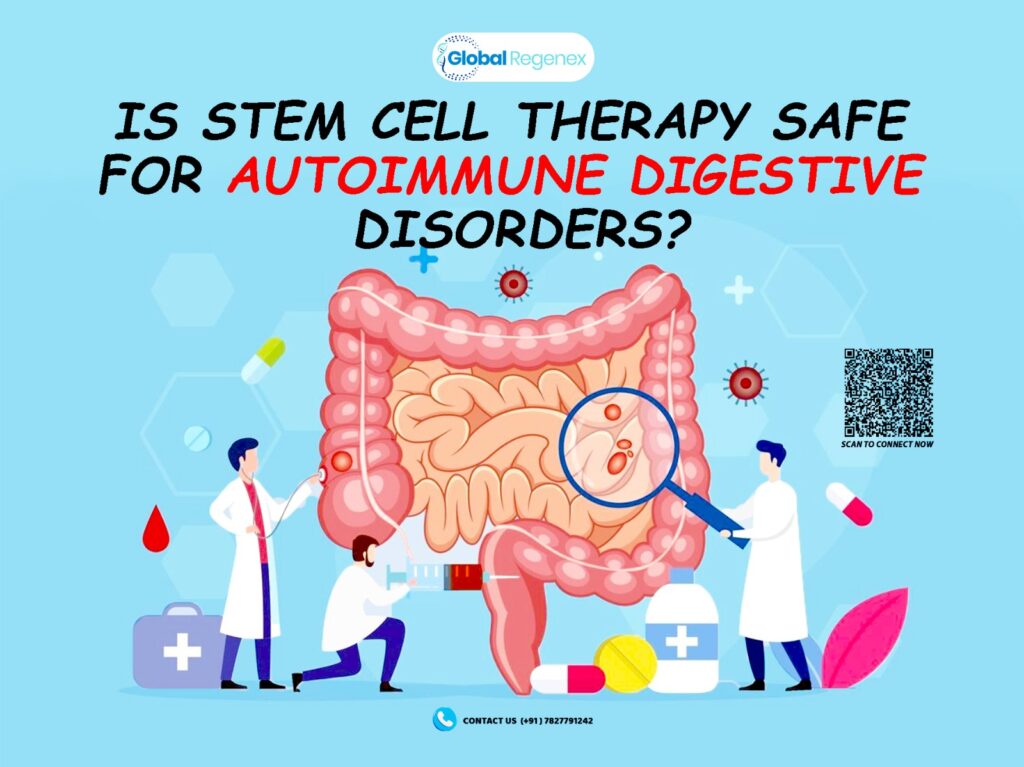
Summary: Exploring whether stem cell therapy is safe for autoimmune digestive disorders. Read this blog to understand how far research has come, what treatment involves, and why it is still being practiced under strict clinical environment. Suffering from an autoimmune digestive disorder is hard. As this condition doesn’t show up in the same way in every patient. This makes detecting this condition challenging. While in some cases, people tend to feel a consistent discomfort and unpredictable inflammations. And for others, it can easily influence nutrition, energy levels and everyday routine in a way you can easily notice. Sometimes, conditions like Crohn’s disease can be treated through medication and long-term treatments. Even then, symptoms start to stay presistent despte of the treatment. It is natural for people and families to look for other treatment areas, like regenerative medicine, that are currently being studied. Due to potential of stem cells, researchers have started to explore and discuss the possibility of future treatment. For patient, it is important to know exactly how process works—and where research stands at present—which will help the patient decide if it is worth pursuing. Overview of Autoimmune Digestive Disorders Autoimmune digestive disorders often arise in patients—when the immune system in the body starts to mistakenly attack various parts of the digestive system. As a result, it triggers inflammation around the affected area in the body. This may cause: chronic abdominal pain alterations in bowel movements tiredness and nutrition problems Such disorders tend to be recurring in nature, where flare-ups alternate with periods during which their symptoms are relatively well-controlled. Given this reality, treatment tends to consist largely of anti-inflammatory care designed for long-term stability. Mechanism of Stem Cell Therapy for Autoimmune Digestive Disorder The reason for fascination with stem cells lies in their ability and are being studied for their potential role in influencing immune response and tissue repair. In simple terms, research involving stem cell therapy revolves around their role in modulating the immune system and tissue healing. To get some information about autoimmune diseases in the digestive system, the question here are if these cells could be used: regulating inflammation markers modulating immune system functions promoting tissue repair It should be kept in mind that we have only scratched the surface of their potential and that we cannot predict their effects yet. Types of Stem Cell Therapies for Digestive Health After preliminary research, it seems regenerative medicine, such as stem cell treatment, is being actively explored in current research. In this case, we can explore various stem cell strategies used in cases of digestive disorders. Mesenchymal Stem Cells (MSCs): This treatment strategy has been extensively studied because of its potential application to regulate the immune response and inflammation. Hematopoietic Stem Cell Treatment (HSCT): For certain diseases, this treatment has already been used clinically for regulated disorders related to blood abnormalities. Other Cell-based Treatments: There is another set of treatments that has become popular, although they are currently undergoing research in many instances. Overall, there are several differences between these treatments based on their application and objectives. Nevertheless, it should be noted that all of these treatments remain experimental and are still under clinical trials. Safety and Efficacy of Stem Cell Treatments When considering any new treatment, one thing that remains every patient’s priority is—how safe is the treatment? Safety and effectiveness are key areas being evaluated in research. In the context of stem cell treatment, so far, research studies show results that remain inconsistent and vary from patient to patient. For some patient in clinical settings have experienced improvement in symptoms, while others have not. Additionally, some factors that may influence safety and efficiency include: differences in patient conditions differences in treatments lack of long-term study Therefore, due to these reasons, the treatment remains under observation for its efficacy and safety. For this reason, the therapy is not commonly used. Regulations and Approval Status of Stem Cell Therapies For every patient considering stem cell treatment as a supportive option for their condition, this is a matter that needs to be clarified well before undertaking the treatment. The stem cell therapy for autoimmune diseases of the gastrointestinal tract in India is presently classified as investigational and not as an approved method of therapy. The treatment can only be conducted through clinical trial processes guided by government regulations. Final Verdict Autoimmune digestive conditions need constant and careful attention. Although stem cell treatment is currently being researched for use in regenerative medicine, it is a developing field of treatment that has yet to gain acceptance into conventional medicine. Knowing the potential and the constraints is essential prior to moving on to anything further. In the event that you are looking into such options, a consultation with Global Regenex would be very beneficial to your considerations. Frequently Asked Questions Q1. Why Do Autoimmune Digestive Disorders Behave Differently In Each Person? These conditions are connected to the immune system, which often varies from patient to patient. Symptoms might be severe in some patients, while others can experience less severe symptoms. Q2. What Makes Managing These Conditions Long-Term So Challenging? Autoimmune digestive disorder becomes difficult to manage due to its recurring nature and constant flare-ups in the area, which need long-term adjustment. Q3. Why Is There Interest In Stem Cell Research For These Disorders? Scientists are studying stem cells’ potential to regulate immune system response and influence immune system response and inflammation. This is because autoimmune disorders arise due to an imbalance in the immune system. Q4. What Should Patients Be Careful About When Reading Online Information? Not every piece of information online about regenerative medicine reflects its true medical evidence. Some information may seem promising to the patient but lacks evidence-based support. It’s a must for patients to verify information with expert consultants to clearly understand available options. Reference Links (1) Wang, S., et al. “Stem Cell Therapy for Inflammatory Bowel Disease: Mechanisms and Clinical Application.” Stem Cell Research & Therapy, 2020. https://www.ncbi.nlm.nih.gov/pmc/articles/PMC7356930/ (2) U.S. National Library of Medicine. “Stem
How Many Stem Cell Sessions Are Needed for Knee Arthritis?
Summary: Understand how stem cell therapy for knee arthritis is being explored, what influences the number of sessions, and why this approach remains investigational rather than routine care. Knee arthritis often progresses gradually. What, in some cases, starts as a small stiffness can slowly turn into continuous discomfort. Most people do not begin treatment by exploring advanced options right away. They begin with attempting to control their knee arthritis using more straightforward means such as medication and exercise, which at times proves adequate. But once the pain persists or when mobility becomes more limited, patients’ considerations change, leading them to explore possibilities that were initially beyond their thoughts, including areas like regenerative medicine. The main question at that stage is no longer about whether something seems appealing but rather how it operates and what it entails, such as the number of sessions required to understand how it is studied. To get the answer to all these questions, keep reading. How Does Stem Cell Therapy Work for Knee Arthritis? To understand how many sessions it may take to provide relief to the patient. The patient must understand how stem cell therapy actually works. In the field of regenerative medicine, the emphasis does not lie on the replacement of damaged tissue. Rather, stem cell technology studies the possibility of impacting the joint environment in such a manner that it helps with the inflammatory response of the body. This is a slow process, and if there is any success. There are no consistent results, which explains why there is also no standard treatment yet. Factors Influencing the Number of Sessions Stem cell therapy for knee arthritis is often discussed as an area of research. And the patient is often curious to know how many sessions they would have to undertake for a good recovery. Currently, there isn’t a standard number of sessions established yet due to it still being researched. However, some factors can influence how this is approached in clinical settings: Stage of arthritis: Early-stage and advanced joint changes may respond differently in research settings. General health and lifestyle: Activity level, weight, and overall health may influence how the body responds. Research Protocol: Various studies have used various protocols hence, sessions could be varied. Body Response Over Time: Some patients can experience changes slowly over time, while others will not. Due to all these factors, it’s difficult to standardize the session number. Consulting with a Specialist: What to Expect Before discussing treatment options, evaluation is the most essential first step, and it is far more comprehensive than anyone might think. It is much more than an examination of the knee. A specialist will take time to understand the full picture: Understanding your condition, how the pain started, and for how long Reviewing any existing scans, X-rays, MRIs, or any other diagnostic information from the past Discussing previous treatment attempts and their effect on your body Evaluating if there is scientific evidence that supports your situation The first discussion is not designed to persuade you into making a decision. Its aim is simply to determine whether this course of action is appropriate for you. Individual Experiences: What They Show and What They Don’t Most patients often come across people sharing their experiences online or through word of mouth. Sometimes, this information can be encouraging for the patient seeking treatment for their condition. At the same time, the result does not seem more reliable. That variation is important. Although some individual cases can give information about how the treatment works and what is possible, but not tell the full story. In research, regenerative medicine has shown encouraging yet inconsistent outcomes across different patients. So while these experiences can be interesting to read, but patient are advised not to make a decision based on them. Adjusting Treatment Plans Based on Patient Progress Currently, there is no standard treatment of regenerative medicine for knee arthritis that every patient may follow. Even being in the investigational phase, this treatment is not standard but is based on the following conditions: symptom progression joint response patient comfort and function These reasons also make the treatment more adaptable rather than pre-planned. That’s why there is no standardized number of sessions for every patient, as no two diagnoses are the same. Need Expert Advice: Global Regenex When thinking about stem cell treatment for knee osteoarthritis, the patient must know what is suitable for their condition. Consulting with the team at Global Regenex can help you understand what is relevant based on your condition and current medical guidelines. The Bottom Line Treatment for knee arthritis is often long-term, and there is no standard treatment procedure. Stem cell therapy may be used in some cases, but it doesn’t consist of a set number of visits and is currently being researched. Knowing this will allow the patient to have realistic expectations. If you have the proper counseling, you will be able to determine which information is suitable for your case and which information needs to be researched further. Frequently Asked Questions Q1. Does Knee Arthritis Require Multiple Stem Cell Sessions? There is no standard number of sessions. Different research protocols may involve single or multiple sessions depending on the study design. Q2. What Influences the Number Of Sessions? Many factors, such as the intensity of arthritis, personal well-being, and the reaction to treatment, play a significant part here. Q3. Does A Higher Number Of Sessions Improve Results? No, this is not necessarily true because the method is still under investigation, and more treatment does not guarantee more successful outcomes. Q4. How Are Sessions Usually Spaced? In the context of research, if there are any sessions at all, these would be timed depending on the protocol used and the response of the patient. Q5. Is It Possible To Predict The Outcome? No, results cannot be predicted. This is one of the reasons why the treatment is considered experimental. Reference Links (1) Lamo-Espinosa, J. M., et al. “Mesenchymal Stem Cell Therapy in Knee Osteoarthritis: A
Can Stem Cells Treat Degenerative Disc Disease Naturally?

Summary: Discover how stem cell therapy for degenerative disc disease is being explored in research, what current treatments involve, and why it remains investigational rather than routine care. You bend over to retrieve your kid’s ball, perhaps a bag, and then there is sensation again. Your lower back pulls a little. You stand up and wait for a moment, hoping it will go away. At first, it starts out feeling nothing serious, but eventually, that begins to happen more often than not. It takes longer to stand up from a chair, or even just to turn your head a little bit. For most people, physiotherapy, drugs, or even surgical intervention can be applied. However, if there is no consistency in pain management, then it becomes obvious for people to consider exploring other advanced alternatives. This is where regenerative medicine and stem cells become relevant. While it sounds like a promising treatment, it’s important to understand what is actually known and what is still being studied. Keep reading to find out. What Is Degenerative Disc Disease? Degenerative disc disease essentially refers to the aging or deterioration of the spinal discs. The discs serve as the cushions between the spinal bones, allowing for easy movement. The following are symptoms that you may experience due to the changes in the discs: Back stiffness Episodic pain Pain while sitting The exact reason for degenerative disc disease is not clearly known since it can be caused by many factors, such as age and lifestyle. Due to the lack of a definite causative factor, treatment becomes more of management than healing. How Stem Cells Work in Treatment Most researchers are interested in how stem cells behave inside the body. As they do not play a specific part. Fortunately, they can easily transform themselves into other kinds of cells and tissues within the body as needed. In terms of degenerative disc disorders, scientists are not focusing on replacing the disc. In this situation, research is being conducted as to whether these cells will help in inflammation or support how the surrounding tissue responds to the treatment. What Research Is Exploring in Stem Cell Therapy for Disc Disease Most information regarding the use of stem cell therapy on degenerative discs is based on preliminary research. It should be noted that in such situations, the significance of obtaining positive results lies in raising interest in further research and the need to study the issue before making any conclusions. These areas can be listed: Effects on Inflammation Processes: Whether the stem cells affect inflammation around the affected disc. Promoting Healing Processes: This includes the investigation of the role of such cells in stimulating the body’s response to tissue damage. Improving Function: Studies investigating possible gradual changes associated with movement or pain. However, till now, results remain inconsistent. In some cases, people undergo changes, whereas others do not observe such changes. Natural Alternatives to Surgery for Disc Issues A surgical procedure for disc pathology is usually not the first option considered, and not even in most cases. Many disc issues can resolve themselves through the right treatment approach and sufficient time. What usually works: Physiotherapy: Specific physical exercises that build muscle mass to provide adequate support for the spine and, therefore, alleviate the pressure on the affected disc Anti-inflammatory Medication: Useful for treating flare-ups but not really recommended as a long-term treatment option Epidural Steroid Injections: Effective in soothing irritated nerves, especially if the pain radiates down into the legs Chiropractic Treatment: Spinal adjustment that suits some individuals, especially when symptoms are still in their early stages Changes to Lifestyle: People undertaking these natural treatments are advised to make some lifestyle changes, such as posture, mobility patterns, and weight, all of which influence the amount of pressure placed on the disc each day One must understand that treatments above will take time and effort, but for most people who have problems with their discs, they’re well worth exploring thoroughly before considering surgery. Need Expert Advice While researching alternative treatments such as stem cell treatment, you will find plenty of data that might seem interesting, yet unclear at the same time. This can make people unsure whether to consider a regenerative approach or not. So, in case you are thinking about choosing this approach, it is important to take some time and learn more about what is really relevant for your health issues. Consulting with Global Regenex will give you expert guidance based on your condition and eligibility. Putting It All Together Degenerative disc disease is hardly ever a clear-cut case – and the route to take is unique to each individual. Traditional therapy can be effective for many patients, but not all that much for others. Regenerative medicine may not be a surefire step to take next for you, but it’s something you should know more about if you have been dealing with this disorder for quite a while now, without making much progress. Frequently Asked Questions Q1. Is Stem Cell Therapy Available for Degenerative Disc Disease? No, it is currently considered investigational and is not part of routine treatment. Q2. Does Stem Cell Therapy Have the Ability to Fully Rebuild a Degenerated Disc? No, because it cannot repair the disc completely based on scientific evidence. Its potential impact on symptoms has been the main concern of studies. Q3. Is It a Natural Substitute for Surgery? No, it is only under investigation, and not yet used as a substitute for surgery or conventional treatment methods. Q4. Are Clinical Trials on Stem Cell Therapy for Degenerative Disc Show Consistent Results? No, because different patients have different experiences after receiving this treatment. Q5. Why Should We Need to Consult Before the Treatment? With a proper consultation with Global Regenex, you will be guided with useful information about this treatment and to check if you’re eligible or not. Reference Links (1) Sakai, D., and Andersson, G. B. J.“Stem Cell Therapy for Intervertebral Disc Regeneration: Current Status and Future Perspectives.”Global Spine Journal, 2019. https://www.ncbi.nlm.nih.gov/pmc/articles/PMC6626674/
Latest Clinical Research on Stem Cell Therapy for DFU
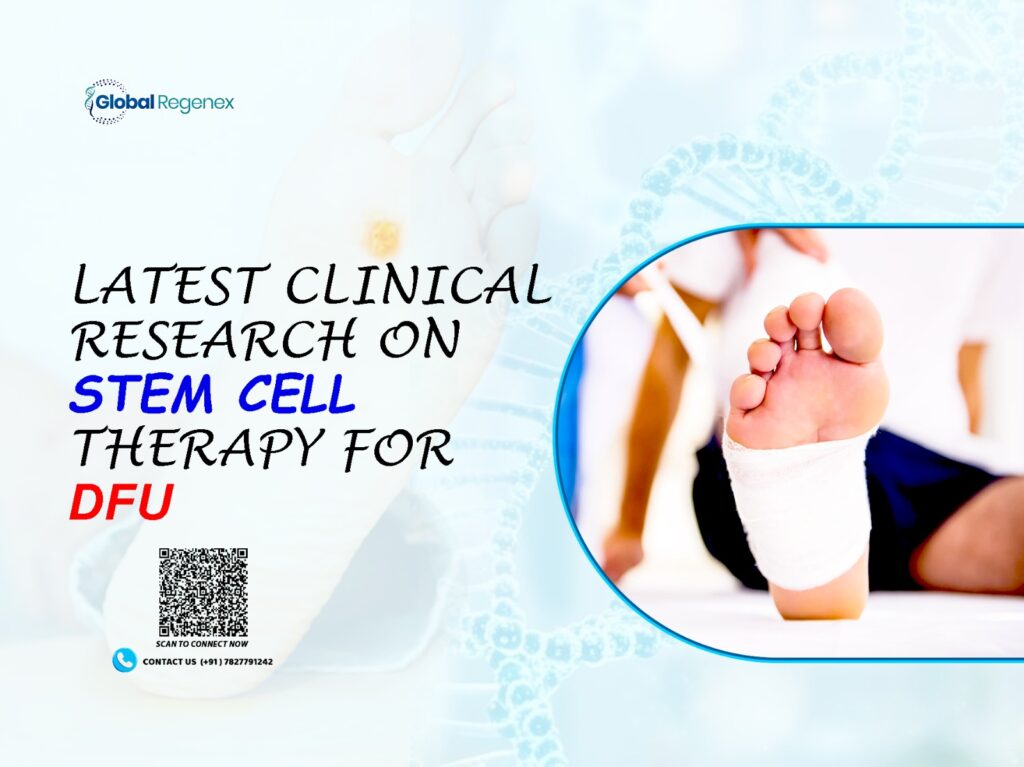
Summary: Discover how stem cell therapy for diabetic foot ulcers (DFU) is being studied in clinical research, what recent findings suggest, and why it remains investigational rather than routine care. Have you been struggling with a severe diabetic foot ulcer? Dealing with diabetic foot ulcers is one of the most challenging conditions. In some cases, it begins as a small wound that gradually starts to heal slowly, especially when the blood flow starts to weaken, and infection starts to spread, making it a long-term issue for many patients around the world. Although standard treatment has been used for years for wound care, infection control, and reducing disease progression. Whereas these treatments are necessary, healing can take time. This is the point at which patients look for the use of regenerative medicine, and stem cell technology has become an area of interest, especially when it comes to seeing how these methods can facilitate wound healing. Understanding Diabetic Foot Ulcers: Causes and Challenges In simple terms, diabetic foot ulcers develop in patients due to a combination of factors connected to prolonged diabetes. Some common factors are: Reduced blood circulation to the lower limbs Nerve damage leading to decreased sensitivity Increased susceptibility to infections Slower wound healing Due to reduced sensitivity, patients often fail to recognize small injuries and wounds until they gradually progress enough to turn into a diabetic foot ulcer. That is why managing DFU usually demands persistence, but even then, recovery takes time. How Stem Cell Therapy Works for DFU As it core, stem cell therapy is the process where stem cells are injected into a patient’s body, to support and boost the body’s healing system through being studied for their potential role in supporting repair processes and influencing how tissues respond to injury To shine a light on DFU, the primary purpose of stem cell research involves investigating their potential to provide a new avenue for wound healing. Instead of serving as a therapy in its own right, stem cells have been examined in terms of their potential to: Affects the inflammatory response at the site of injury Promote angiogenesis Interface with tissue repair mechanisms The goal is to determine if these interactions could create a healing-promoting environment. So far, this is just part of ongoing research that is still under study, not as a practical treatment method. Recent Clinical Studies on Stem Cell Therapy for DFU For many patients considering stem cell therapy for their diabetic foot ulcers, they should understand the condition first and learn how the treatment works. While scientists have done several studies and clinical trials that have explored stem cells for diabetic foot ulcers. These results include: increased ability to close wounds for some patients improvement in blood flow to damaged tissues a gradual decrease in the size of the wound However, these results do not consistently appear in all studies. While some have seen little improvement, others recognize the need for more substantial trials. Understanding these variations is important, as they reflect how therapy is still being evaluated and not confirmed as standard treatment. Potential Benefits of Stem Cells in DFU Treatment Before undertaking any treatment, patient often explore how the particular treatment might benefit their condition. In the context of stem cells in DFU treatment, current regenerative medicine research is being explored as a potential benefit. Here are some areas being explored in research: Enhancement of Blood Circulation: Investigations are being conducted to determine whether stem cells can help in the development of new blood vessels. Aiding in Tissue Repair: The role of stem cells in helping the body heal naturally is also under investigation. Decrease in Inflammation: Certain investigations indicate that stem cells might impact the body’s inflammatory response. Change in Wound Healing: In some studies, the wounds exhibited signs of improvement. These areas might seem promising, but patients should know that these benefits are still in the experimental phase and cannot be guaranteed. Challenges and Limitations of Stem Cell Therapy for DFU Though some findings of the study may make patients feel encouraged, it is important to look at certain limitations too. Differences in Results: After performing different clinical trials, it is recorded that not all patients respond to treatment in the same way. Lack of Long-Term Studies: Due to inconsistent results, more studies and research are required to establish it as a standard treatment. Different Protocols Used: Each study uses its unique protocol. Specific Patient Characteristics: General health status and wound condition have an impact. Due to these factors, stem cell therapy for DFU still remains in the research phase. Need Expert Advice: Global Regenex When exploring new or investigational options, it is important to first understand where they stand in current medical research. This is why a proper consultation with an expert is important to determine if your condition can be treated through stem cells or not. Consulting with the experts at Global Regenex will assist you in reviewing your situation more realistically by evaluating which approaches are already proven, which are still being researched, and whether certain approaches are suitable for you or not. Putting It All Together Managing diabetic foot ulcers can be complex, especially when healing is delayed or complications develop. Even as stem cell treatment of DFU is being researched under the field of regenerative medicine, it remains at a developmental stage and does not form part of regular treatment procedures. The patient must be aware of the pros and cons involved. With the correct information, patients can undertake alternative therapies responsibly. Frequently Asked Questions Q1. Why Does It Take Longer To Heal DFUs? The healing process can be slowed down by reduced blood flow, neuropathy, and an increased risk of infections that make healing less effective over time. Q2. How Are DFUs Different From Other Wounds To Be Treated? Stem cell therapy research focuses on exploring whether stem cells can influence circulation, inflammation, and tissue repair processes. Q3. What Does Stem Cell Therapy Research Focus On? Stem cell therapy research focuses on
Post-Treatment Care After Stem Cell Therapy: Tips for Faster Recovery
Summary: Learn why post-treatment care is important after stem cell therapy, including nutrition, activity management, and monitoring for any side effects to support better recovery for patients. With great progress in medical science, researchers are increasingly exploring regenerative medicine such as stem cell therapy for various types of conditions and disorders. This treatment uses the body’s own healing mechanism to promote healing through repair and regenerate damaged tissue, giving hope for patients with orthopaedic injuries to autoimmune conditions. However, this process is also only a part of the healing process. Recovery after undertaking stem cell therapy plays a crucial part in determining how effectively the body has responded to the treatment. Just like any other traditional or surgical treatment, taking proper post care helps the body adapt to the new changes, heal and support the regenerative effects of stem cells. Patients often ask the expert what they should do after the therapy to help their body recover faster. While every case could be different, following the proper after care can support recovery and lower the risk of complications. What is Stem Cell Therapy and How Does It Work? Stem cell therapy involves the use of special cells that have the ability to change into various types of tissues in the body. In damaged parts, these cells can possibly aid in repair and recovery. For regenerative medicine, stem cells might aid regeneration by: Cell Regeneration: The stem cells have the ability to change into other cells to replace the damaged ones. Release of Growth Factors: Stem cells have the ability to send signals to the body, which are useful in the healing process of the cells. Reduction of Inflammation: Stem cells have the ability to control the immune system to reduce inflammation. Support for Repair of Tissues: Stem cells have the ability to improve the microenvironment of the tissues to enable healing. These unique characteristics of stem cells have prompted researchers to consider them as a possible treatment for diseases or conditions where the body’s ability to heal itself is very low, or virtually nonexistent. Immediate Post-Treatment Care Tips After undertaking stem cell therapy, one must know that the first few days are important for allowing the body to adapt to the treatment. Patients are advised to follow certain precautions: Rest the Treated Area: Do not give excessive strain on the treated area during the first few days. Stay Hydrated: Patients should drink enough water to help their body maintain proper circulation and cellular function. Follow Medical Instructions Carefully: Always follow the doctors given instructions, follow-up visits and activity restrictions. Avoid Alcohol and Smoking: They can mess up your tissue healing and regeneration processes. Go to Follow Ups: Checking in regularly allows your doctor to keep up with your progress and notice any problems quickly. Following these steps can support the body’s natural recovery process. Diet and Nutrition for Optimal Recovery After every treatment following a proper diet helps a long way. Giving your body with enough nutrition is important for better healing and tissue repair after regenerative treatment. Primary nutritional factors are: High Protein Foods: This is because the body needs proteins for repair and the formation of new cells. Fruits and Vegetables: These contain antioxidants that can shield the body from disease. Healthy Fats: These include omega 3 fatty acids, for instance, found in fish and nuts, which can support anti-inflammatory responses. Proper Hydration: This is very vital for the flow of the blood and the transfer of nutrients. Apart from that, the patient should strive to avoid processed foods as well as excessive intake of sugars during the course of the healing process. Physical Activity: What to Do and What to Avoid Physical movement is important for recovery, but it should be approached gradually. Light stretching after medical approval Gentle walking to improve circulation Controlled physical therapy if recommended by doctors Activities to Avoid Initially Heavy lifting High impact exercises Intense sports or strenuous movements Overdoing it too early can actually delay recovery. A slow transition to normal activity under the guidance of a physician is usually the best approach. Managing Side Effects and Complications Although many patients have not experienced any side-effects after undergoing stem cell therapy in India, some mild side-effects are possible. Here are some of the examples: Mild swelling at the treatment site Temporary soreness or discomfort A few days of fatigue Generally, these symptoms are temporary and the body slowly gets accustomed to the treatment. On the other hand, patients should consult their doctor if they experience: Constant pain and swelling Fever and symptoms of infection Dramatic deterioration of symptoms The Concluding Thoughts After the treatment care plays a very important role in making the stem cell therapy effective. Apart from the body being able to recover over time, other factors that lead to the successful outcome of the healing process are a well balanced diet, mild physical exercises and regular check ups. If you are thinking about getting regenerative treatments, you may want to consult Global Regenex that can offer expert advice and therapy consultations on stem cells and regenerative medicine. Frequently Asked Questions Q1. How long does the recovery process take after stem cell therapy? Ans. The recovery process after stem cell therapy depends on the condition being treated. However, the patient will be able to recover over time with the appropriate care. Q2. Can I exercise after stem cell therapy? Ans. You are allowed to exercise after the stem cell therapy. However, you are supposed to avoid heavy exercises during the recovery process. Q3. What food can I eat for the recovery process after stem cell therapy? Ans. You are supposed to eat a lot of protein, fruits, vegetables, and healthy fats. Q4. Are there any side effects of stem cell therapy? Ans. Yes, there are side effects. However, the pain will subside in a matter of days. Q5. Why is post-treatment care important in regenerative medicine? Ans. The importance of post-treatment care is that it is essential for
Stem Cell vs Joint Replacement: What’s the Better Choice?
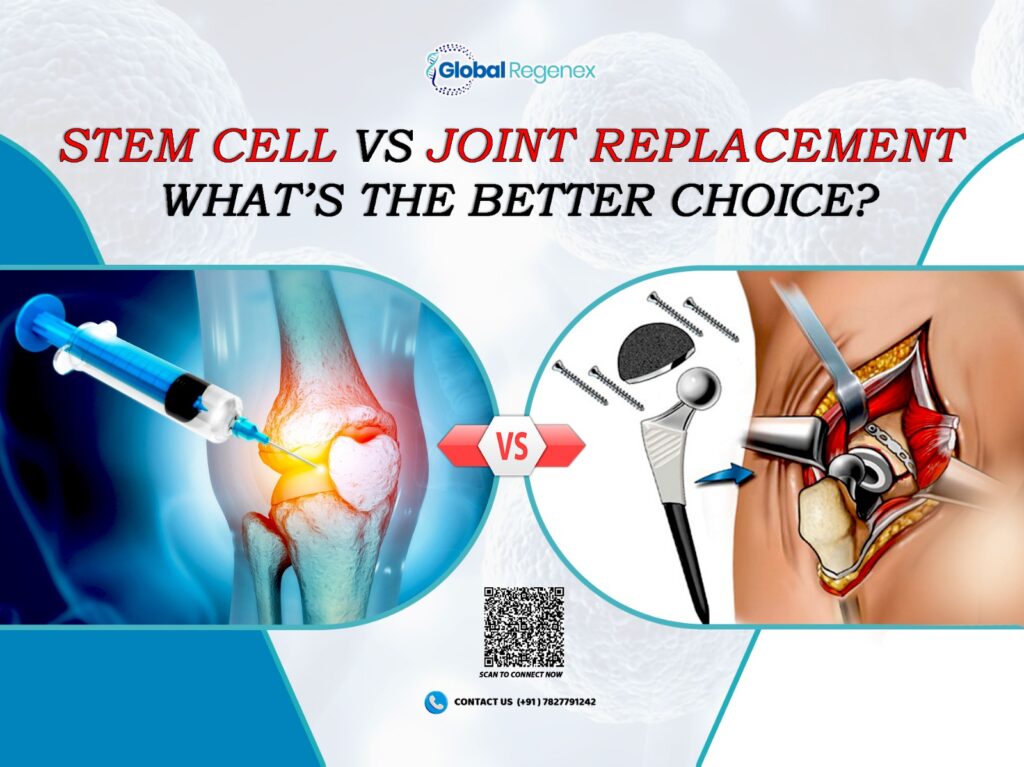
Summary: Discover how stem cells can help avoid joint replacement in patients. While joint replacement surgery has been a standard solution for severe damages for a long period of time, stem cells offer a regenerative alternative. Many people meet an accident about every year, leading to fracture and bone damages that cause severe suffering for life. Whereas a broken joint has been fixed through joint replacement surgery for a long time as a standard treatment. For some, surgery seems like a hard choice to face, which leads patients to explore regenerative ways, such as stem cell therapy. An advanced supportive treatment that uses the potential of stem cells to promote healing through repair and restore functions. So which choice is better for you? The answer often depends on the severity of the condition, age, damage and long-term goal. Let’s explore the real difference to make the right choice. Understanding Joint Damage Patient dealing with Joint degeneration usually entails the following: Degeneration of the cartilage Inflammation of the joint capsule Bone rubbing in the late stages Loss of mobility and pain In the early to moderate stages of osteoarthritis, cartilage loss can still be amenable to biological repair. In the late stages, the joint degeneration may be too severe for biological repair. Common Symptoms of Advanced Joint Damage Patients with different joint damages experience different symptoms, which help in determining when advanced treatment may be severe: Persistent Pain: You might feel a pain that comes and goes at times and worsen over time. Stiffness: You may feel stiffness in the joints in the morning or less flexibility in movements. Swelling & Inflammation: Your damaged area starts swelling due to irritation or immune system reaction. Reduced Range of Motion: Experiencing bone to bone contact or feeling grinding sensation during joint movements. Mobility Limitations: You may have trouble walking, climbing or performing daily activities. What Is Stem Cell Therapy for Joints? Stem cell treatment is one of the types of regenerative medicine that focus on promoting healing in joints through repair and restoring cells and function. It utilizes the ability of different types of stem cells such as mesenchymal stem cells, often found in bone marrow or fat tissue. Stem cell therapy helps to: Decrease joint inflammation Release growth factors for cartilage repair Improve the joint micro environment for better functioning Slow down the degenerative process The therapy is quite less invasive and one can be treated at the doctor’s office. The time needed for recovery is also much less than surgery. Doctors usually suggest stem cell therapy to those who have mild to moderate osteoarthritis and whose cartilage has been damaged but not completely lost. What Is Joint Replacement Surgery? Joint replacement surgery is a procedure that involves the removal of damaged cartilage and bone surfaces and their replacement with artificial prosthetic components. A major surgical operation under anaesthesia Stay at hospital followed by rehabilitation Mechanical replacement of the joint surface Long term implant durability Joint replacement is very effective in cases of severe end stage arthritis, especially when there is extensive structural damage or bone on bone contact. Nevertheless, the patient may take several months to fully recover. Besides, as in all surgeries, there are risks of infection, blood clots or the implant wearing out over time. Stem Cell Therapy vs Joint Replacement: Key Differences Factor Stem Cell Therapy Joint Replacement Procedure Type It is minimally invasive process Majorly surgical operational Recovery Time Shorter recovery time Several months rehabilitation Primary Goal It reduces inflammation and support repair It replace damaged joint surfaces Suitable For Early-moderated degeneration Severe end-stage arthritis Risk Usually lower surgical risk Surgical & implant-related risk What Does It Mean for the Patients? As you have understood the differences between stem cell therapy and joint replacement surgery, but still confused about which is suitable for you. Although there is no universal answer but depends on the following factors. Severity of degeneration Imaging results Age and activity level Overall health condition Long-term functional goals As regenerative medicine continues to evolve, careful evaluation is necessary. Talking to regenerative medicine experts can help you understand the current research and if this treatment is suitable for you. Consulting with Global Regenex, helps patients understand the treatment, evaluate the condition, and connects patients with top healthcares. Putting It All Together Joint replacement surgery is still the most effective method for significantly damaged joints. On the other hand, stem cell therapy is a regenerative method that is less traumatic and can help postpone surgery for certain patients. Both options are under constant research, thus, deciding between them should be a matter of personal evaluation. Global Regenex helps patients decide suitable treatment for their condition and connects with best healthcares. Frequently Asked Questions Q1. Is stem cell therapy more effective than joint replacement? Ans. Which one is better depends on how bad the disease is. Stem cell therapy may be a good option to treat very early arthritis while joint replacement is better for very advanced arthritis. Q2. Can stem cells regrow cartilage completely? Ans. Currently, the studies support the idea that there may be a beneficial effect on cartilage regeneration but the full regeneration is not always supported. Q3. How long will a joint replacement be effective? Ans. The average life span of a prosthetic joint, after which it is expected to function properly, is 15 to 20 years, depending on the lifestyle and health of the patient. Q4. Is stem cell therapy safer than surgery? Ans. Yes, stem cell therapy is non-invasive, however the effectiveness of the treatment is still in research. Q5. Can stem cell therapy delay joint replacement? Ans. Yes, patients with moderate arthritis can be treated with stem cell therapy to alleviate their symptoms, and the joint replacement surgery can be postponed. Reference Links National Institute of Arthritis and Musculoskeletal and Skin Diseases – Osteoarthritis Overview https://www.niams.nih.gov/health-topics/osteoarthritis PubMed Central – Mesenchymal Stem Cells in Osteoarthritis Treatment https://www.ncbi.nlm.nih.gov/pmc/articles/PMC6605747/ American Academy of Orthopaedic Surgeons – Total Joint Replacement https://orthoinfo.aaos.org/en/treatment/total-joint-replacement/
How Stem Cells May Help Regenerate Pancreatic Cells
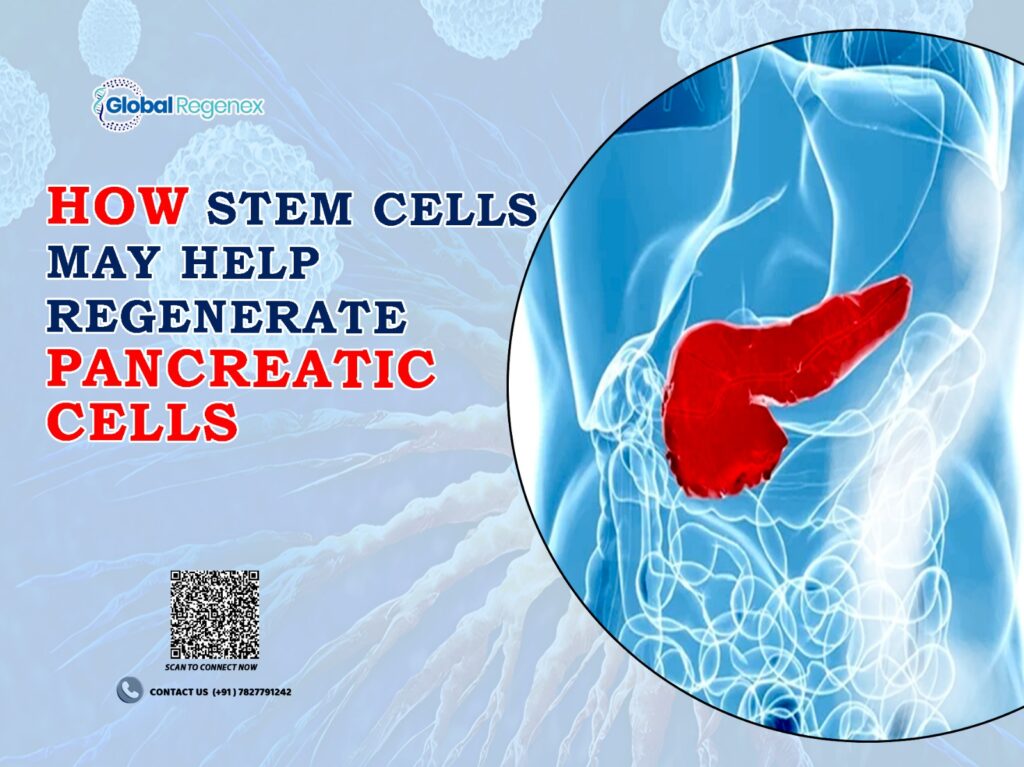
Summary: Explore how stem cells research is advancing in helping in pancreatic cell regeneration. From insulin-beta cells to immune modulating, regenerative medicine is being studied to support the condition beyond the conventional treatments. Diabetes is the most common disease, which affects millions of patients worldwide. Diabetes is commonly caused by the disturbance of insulin, either the body does not produce enough or the body cannot utilize it properly. Whereas the “pancreatic” plays a crucial role in the regulation of blood sugar levels by producing insulin. However, when the “pancreatic beta cells” are damaged, the body fails to have the ability to control the glucose levels in the blood. The conventional method of treatment only helps in alleviating the symptoms but does not have any effect on repairing. Owing to this shortcoming, scientists are currently working on the concept of the ability of stem cells to repair and regenerate, which may help in regenerating “pancreatic cells” in the future. Although still in the initial stages, research on stem cell therapy is progressing rapidly, offering new perspectives. Let’s see how stem cells can help in diabetes. Understanding Pancreatic Cell Damage The pancreas is one of the organs that play a major role in regulating the concentration of glucose in the blood. It contains tiny clusters of cells known as the islets of Langerhans which harbor beta cells that secrete insulin. Autoimmune destruction( Type 1 Diabetes): When your body’s immune system gets confused and destroys beta cells without producing insulin. Chronic Insulin Resistance (Type 2 Diabetes): A prolonged state of cellular stress due to metabolic demands can lead to a loss of function and exhaustion of the beta cells. Inflammation: Long term inflammation can gradually lead to the destruction of pancreatic tissue. Genetic Predisposition: Some genetic components may predispose individuals to beta cell failure. Thus, when the beta cells are highly depleted, the body cannot maintain the blood glucose level within the normal range. What Is Pancreatic Regeneration? The term pancreatic regeneration often refers to restoring and repairing the damaged beta cells and function so they can resume insulin production in the body. This may include: Repairing damaged but viable beta cells Stimulating the growth of new beta cells Replacing dead cells with their functional counterparts Improving the microenvironment of the pancreas Stem cell therapy has been considered as a potential avenue for the achievement of the above. How Stem Cells May Support In Pancreatic Regeneration As the medical research on stem cells has evolved rapidly. Scientists focus on stem cells’ ability to differentiate into various types of all cells that influence tissue repair. In pancreatic research, several mechanisms are still being studied. Differentiate Into Insulin-Producing Cells Certain stem cells are being studied in controlled labs, which may be used in developing into insulin-producing cells. These cells may help in replacing damaged pancreatic cells. Secretion of Growth Factors Stem cells release bioactive factors that will help the tissue to heal, reduce the inflammatory process, and also improve the functioning and living of the remaining beta cells. Immunomodulatory Effects Mesenchymal stem cells (MSCs) are capable of adjusting the immune system. In the case of Type 1 diabetes, this effect can prevent the immune system from attacking the pancreas. Microenvironment Improvement The stem cells carry the ability to modify the microenvironment of the pancreas so that it would support the metabolism and survival of the cells. Types of Stem Cells Being Studied for Pancreatic Regeneration As the research progresses in stem cells for diabetes. Different types of stem cells in the body are currently being investigated for their potential in pancreatic regeneration: Induced Pluripotent Stem Cells (iPSCs): These are cells reprogrammed from a patient’s somatic cells to a pluripotent state. Mesenchymal Stem Cells (MSCs): These cells are mainly considered in terms of their immunological and trophic effects. Umbilical Cord Stem Cells: Umbilical cord stem cells are mainly considered in terms of their regenerative and anti-inflammatory potential. What Latest Research Says? As of 2026, pancreatic regeneration studies are still in the early and mid-stages of clinical trials. Safety studies have shown promising results in terms of tolerability in a controlled setting. Stem cell-derived beta cell transplantation has resulted in the production of insulin in carefully selected patients. Some patients have shown a decrease in insulin requirements. Durability and potential for immune rejection are still being assessed. Need for Expert Advice Stem cell therapy to regenerate the pancreas is still an experimental treatment, and the results depend on the patient’s condition. You must talk to specialists to understand the feasibility and risks. Global Regenex offers helpful, well, structured, and scientifically backed guidance to enable you to make informed decisions. The Concluding Thoughts Regenerative pancreatic cells through stem cell therapy demonstrate one of the most promising frontiers in diabetes research. While stem cell therapy is still in early stages of the research and clinical research, long-term effectiveness, and durability. Although, if you are considering stem cell therapy as a supportive treatment, consulting with experts at Global Regenex can help patients make the right decision. Frequently Asked Questions Q1. Can stem cells fully regenerate pancreatic cells? Ans. Scientists are still trying to figure out if it is possible to regenerate beta cells through stem cell therapy, which produces insulin. Q2. How do stem cells help in the production of insulin? Ans. Stem cells can differentiate into beta, like cells, or give a helping hand to the existing pancreatic cells by immune and growth factor stimulation. Q3. Is stem cell therapy for pancreatic regeneration approved? Ans. The majority of the options are still just theoretical at this point and are in the process of being clinically tested. Q4. Are there any risks involved in pancreatic stem cell therapy? Ans. The possibilities of immune rejection and cell survival are some of the problems that are being heavily studied now. Q5. What is the reason for professional consultation? Ans. Consultation is an important step of the process because it will make sure not only that you meet the eligibility criteria but
How India Is Emerging as a Global Hub for Stem Cell Therapy
Summary: India has rapidly evolved into a global destination for advanced medical care, especially in regenerative medicine. With cutting-edge research, affordable healthcare, and highly skilled professionals, the country is redefining how the world views stem cell therapy. Patients from across the globe are choosing India for safe, effective, and compassionate treatment options. Stem cell treatment is one of the most notable innovations in the healthcare field, which has made a big impact on the medical world. It opens a new horizon for people who suffer from long-lasting, deteriorating diseases or conditions that are difficult to treat. The question of how and where people can get the right and cheapest stem cell treatment is becoming louder if not answered. The solution is pointing towards India in more and more cases. Supported by its medical precision, avant-garde, and patient-friendly approach, India is gaining ground as the international center of stem cell therapy. What Is Stem Cell Therapy? Stem cell therapy is one of the regenerative medicine methods that involves the use of the body’s natural repair mechanisms to renew damaged tissues or organs. Stem cells are specially equipped to change into different cell types – for example, bone, nerve, or muscle – thus making them a crucial source for the process of healing and recuperation. Next are the health problems where this therapy has given positive results: Arthritis and Joint pain, Spinal cord injuries Parkinson’s disease and other neurological disorders Diabetes Heart diseases Developmental delay and cerebral palsy Stem cell therapy, by alleviating the main cause instead of just symptoms, brings about lasting regeneration and a better quality of life. Why Is India Becoming the Perfect Destination for Stem Cell Therapy? Here are some reasons why India is considered a global hub for stem cell treatment: Advanced Medical Infrastructure There are few countries as well-endowed as India with state-of-the-art hospitals and the latest cutting-edge technology in the field of regenerative medicine. These healthcare centers are equipped with advanced laboratories, sterilized cell-processing units, and equipment that meets international standards, which assure patient safety and the highest quality of clinical services. World-Class Expertise Medical doctors and research workers hailing from India are educated and trained abroad with worldwide standards, are science consummates, and have been prepared in the top global research centers for regenerative medicine. The specialists’ knowledge enables them to provide procedures that are at par with global benchmarks while at the same time keeping a personalized approach for the individual patient. Affordable Treatment Costs Among the various factors that attract medical tourists to India, the aspect of affordability is the most outstanding one. The cost of stem cell therapy in India is substantially lower than in other Western countries. In most cases 60–80% cheaper, but the quality remains the same. This saving allows patients to avail themselves of the highest healthcare that is usually out of their financial reach Government Support and Ethical Regulations The government of India has put in place a set of regulations, guidelines, as well as an enforcement mechanism to ensure healthy and ethical stem cell research. Besides the Indian Council of Medical Research (ICMR), other institutions help guarantee that scientific treatments that align with the approved protocols are the ones accessible to patients. Growing International Patient Footfall Each year, thousands of patients from the USA, the UK, the UAE, and African countries arrive in India to avail of state-of-the-art regenerative treatments. Along with the ease of communication, India has an English-speaking medical staff and a transparent medical process, which has made it a trustworthy medical tourism destination. Conditions That Can Be Treated Through Stem Cell Treatment in India Stem cell therapy in India is being successfully used to treat a wide range of conditions, including: Orthopedic Issues: Arthritis, sports injuries, cartilage damage Neurological Disorders: cerebral palsy, spinal cord injuries Autoimmune Diseases: multiple sclerosis, lupus, rheumatoid arthritis Cardiovascular Diseases: heart failure, peripheral artery disease Anti-Aging and Skin Rejuvenation: natural cell regeneration for youthful vitality Each treatment is customized to the patient’s health condition, ensuring a tailored, effective recovery plan. The Role of Research & Innovation in India Now, the medical community of India is pushing regenerative research to higher levels through various clinical trials and biotech innovation. The treatments are getting more accurate and reliable with the use of technologies like AI-based cell analysis and automatic processing. Such continuous development makes India remain a global leader in stem cell technology. Why Patients Trust India for Stem Cell Therapy? People from different countries are still going to India for a trip to a hospital, and the top three reasons for that are the following: High Success Rates: Effective results for many kinds of chronic diseases over the years have been recorded. Compassionate Care: Besides accuracy in medicine, Indian healthcare providers also show attention with their kindness and empathy. Medical Tourism Support: They get help with their whole journey, going from the time they apply for the visa until the time they leave the hospital. To Bring It All Together India stands out as a global leader in stem cell therapy, combining innovation, affordability, and compassionate care. For those seeking cutting-edge treatment, Global Regenex offers expert guidance, personalized treatment plans, and empathetic support, ensuring every patient’s recovery is safe, smooth, and successful. Begin your journey toward healing with confidence and care today. Frequently Asked Questions(FAQs) Q1. Why is India considered a top destination for stem cell therapy? Ans. India offers advanced technology, skilled specialists, ethical practices, and affordable treatment compared to Western countries. Q2. What conditions can stem cell therapy treat in India? Ans. Common treatments include orthopedic issues, neurological disorders, autoimmune diseases, cardiovascular conditions, and regenerative/anti-aging therapies. Q3. Is stem cell therapy safe in India? Ans. Yes. Treatments are conducted in ICMR-approved and GMP-certified facilities, ensuring safety and ethical compliance. Q4. How can Stem Cell Care India assist international patients? Ans. They provide expert consultation, personalized treatment plans, and support for travel, accommodation, and post-treatment follow-up.