
What Are the Best Accommodation & Travel Tips for International Patients?

International patients should choose accommodation and travel arrangements around their healthcare schedule, expected stay, mobility needs, and access to the healthcare facility. Patients should stay near the healthcare facility, arrange reliable local transport, and choose flexible bookings to make their medical journey abroad easier to manage. Key Takeaways Choose accommodation based on your treatment schedule, recovery needs, and mobility — not just price or map distance. Travel time to your healthcare facility matters more than how close it looks on a map. Flexible bookings can be useful because consultation, treatment, observation, or recovery timelines may change based on medical advice. Plan local transportation in advance, with a backup option ready. If travelling with a companion, plan their practical needs alongside your own. Always confirm your fitness to travel with your healthcare provider before booking flights. Accommodation & Travel Tips for International Patients Travelling abroad for medical care involves more than reaching the healthcare facility. Patients also need to consider where they will stay, how they will attend appointments, how much support they may need, and what happens if their medical schedule changes. Accommodation that works for a short holiday may not be suitable when a patient needs repeated healthcare visits, additional rest, mobility support, or a longer stay. For international patients travelling to India for medical care, these arrangements should be planned around the location of the healthcare facility, appointment schedule, expected stay, and medical advice. How Should International Patients Choose Accommodation? When you are receiving medical care abroad, where you stay is an important part of your treatment environment. Patients may spend considerable time resting between appointments, managing treatment-related fatigue, or recovering, so accommodation should be selected according to those practical needs. Rather than choosing the most affordable or most centrally located option, focus on what your day-to-day medical routine will actually look like. Before booking, consider: Distance and Access: Ensure the travel time and transportation options to the healthcare facility are reasonable. Room Comfort: Assess if the room is spacious enough for the required period of stay and has all the necessary amenities. Convenience Services: Consider access to transportation, space for rest, companion needs, nearby essential services, and flexibility if the medical schedule changes. Accessibility: Patients with difficulties in movement will require elevators and easy access. Companion Requirements: If a family member or companion is travelling with the patient, confirm occupancy rules, sleeping arrangements, and whether additional support can be accommodated. Cancellations and Extensions: A revision of the treatment plan may result in extension of the stay and, thus, is an important factor. If you’re travelling with a family member or companion, also confirm whether the accommodation comfortably accommodates two people, and whether there’s a suitable space for them to rest while you attend appointments. The most suitable accommodation is one that makes attending medical appointments, resting, and managing daily needs practical throughout the stay. How Far Should Accommodation Be From the Healthcare Facility? Distance on a map can be misleading sometimes. A clinic that appears to be ten minutes away may involve traffic, limited transport options, or a walk that becomes genuinely tiring after the treatment. Depending on the treatment and the patient’s condition, fatigue or other temporary effects may affect how comfortably they can travel between appointments. Patients should follow the treating team’s advice about mobility and travel after treatment. Regardless of how good you may be feeling on other days, travelling can become cumbersome. Selecting an accommodation that can make travelling to your clinic hassle-free is definitely worth your while. When comparing locations, patients should consider: Travel Duration: Look into how much travel time will be involved when travelling to the clinic at the typical appointment hour. Transport: Make sure that there will always be means to get to the clinic. Number of Visits: Being close by might be easier when there are multiple visits planned. Accessibility: Take into account whether the travel and accommodation are within reach for the patient. Local Surroundings: Nearby pharmacies, food outlets, grocery stores, and other essentials can reduce unnecessary travel. However, the objective may not always be to find the nearest accommodation, but rather a place where travelling to the health care institution becomes reasonably feasible. How Can Transportation Support an International Patient’s Medical Journey? Transportation plays an important part when patients need repeated healthcare visits or have difficulty moving around independently. The main goal is not simply to find the fastest way to travel, but to choose an option that is more practical for the patient’s medical situation and appointment schedule. Patients may need to consider: Ensure that you will be able to attend the planned appointments. Check if there is any need for further transportation assistance due to physical conditions or limitations. Factor in the possibility of repeat trips if there are appointments planned out. Check if there is a need for assistance after undergoing treatment or other appointments. Have an alternate plan for transportation if the initial plan fails to work. At Global Regenex, our international patient coordinators can advise on local transport options based on your treatment location and individual needs — so you’re not figuring this out alone from abroad. What Should Patients Consider Before Travelling for Medical Care? Before departing for medical care, patients should understand how travel fits into their planned healthcare schedule. The timing of travel may need to be carefully considered for consultation, treatment, observation, recovery, and follow-up requirements rather than being based on flight availability. Patients should discuss the following with their healthcare provider: Fitness to Travel: Whether their current health condition allows them to undertake the planned journey. Treatment Timing: Whether travel needs to be arranged around a consultation, procedure, or other scheduled care. Post-Treatment Travel: Whether they may need time for observation or recovery before travelling again. Follow-up Requirements: Whether an assessment or appointment is expected before returning home. Travel Support: Whether mobility assistance, a companion, or other practical support may be appropriate. The appropriate travel timing depends on the patient’s healthcare needs and advice from
Why Do International Patients Choose India for Regenerative Medicine?
India has slowly but steadily become an important destination for international patients seeking regenerative medicine based on some important factors such as experienced medical specialists, patient-centred treatment planning, and comprehensive healthcare infrastructure. Many patient also value the personalised consultation, multidisciplinary care, and coordinated support throughout their medical care journey. Although regenerative medicine is still being researched, recommendations should always depend on the patient’s condition, current medical evidence, and a thorough medical evaluation before travelling. Key Takeaways India continues to attract international patients seeking regenerative medicine because of its experienced specialists, advanced healthcare infrastructure, and patient-centred approach. Personalised medical evaluations help determine whether regenerative medicine may be appropriate before patients travel for treatment. International patient services often include consultation support, travel coordination, interpreter assistance, and follow-up planning. Patients should review current clinical evidence, understand potential benefits and limitations, and discuss realistic expectations before making healthcare decisions. Except for approved hematopoietic stem cell transplantation (HSCT), most stem cell-based regenerative therapies remain investigational and should be considered within applicable regulatory and clinical guidance. Careful planning and informed decision-making can help international patients prepare for a smoother healthcare journey. Medically Reviewed By Written By Nishat Arfin Scientific Review By Tabish Iqbal Medically Approved By Global Regenex Medical Team Last Reviewed: July 2026 Why International Patients Choose India for Regenerative Medicine in 2026 For patient seeking new emerging therapies such as regenerative medicine, deciding where to receive the treatment in their home country or abroad is the biggest decision in their healthcare journey. Looking beyond the procedure itself, some international patients often compare factors like medical expertise, the availability of personalised evaluations, the quality of personalised support, and what happens before, during and after the treatment before they decide the destination. As regenerative medicine continues to advance, there is an increase in awareness from patients regarding the scientific data that backs up various treatments and how treatments are suggested. An understanding of the reasons that drive many foreign patients to visit India for regenerative medicine treatments would be helpful for patients. Why Is India a Preferred Destination for Regenerative Medicine? Many international patients often choose India because they are looking for more than just regenerative treatment alone. They want experienced medical teams, a clear understanding of their treatment options, and a healthcare journey that is planned around their medical needs before travelling to India Access to Experienced Clinical Teams Many regenerative medicine centres in India bring together specialists from different medical disciplines to assess complex health conditions. This collaborative approach allows treatment recommendations to be based on a patient’s diagnosis, medical history, and current clinical findings rather than a standard approach. Comprehensive Evaluation Before Treatment For international patients, pre-planning for therapy is done even before arrival in India. Pre-planning includes reviewing their medical history, investigations, and treatments previously undergone in order to decide whether regenerative medicine treatment would be suitable for them or not. Integrated Healthcare Services For patients who come from overseas, integration of all medical services under one healthcare provider is preferred because the treatment process becomes much simpler and organised for the patients. Value Without Compromising Quality Even though there are differences in terms of costs for each case treated through regenerative medicine treatment, what most patients from other countries look for in India is getting specialised medical service at comparatively lower costs. What Happens Before an International Patient Travels to India? Travelling to another nation for regenerative medicine usually starts long before a patient may board the flight. Before confirming travel plans, healthcare providers usually need to understand the patient’s condition through a detailed medical review. This first consultation helps determine whether regenerative medicine may be the right option and allows the medical team to prepare a personalised care plan before the patient’s arrival. Patients are generally asked to share information such as: Recent medical reports and imaging studies Details of previous treatments or surgeries Current medications and overall medical history A summary of their present symptoms and healthcare goals Following the assessment of these medical documents, the patient may be asked to undergo an online consultation regarding the patient’s condition, available treatments, and queries about these treatments. Sometimes, further investigations may also be required before travelling to make sure that the proposed treatment is based on the maximum amount of clinical data available. Taking these steps before leaving for India helps patients arrive with a clear understanding of what to expect and allows both the patient and the medical team to prepare for the next stage of the healthcare journey. How Are Treatment Decisions Made for International Patients? Deciding to travel for regenerative medicine does not necessarily mean a patient will receive treatment. A reputable treatment decision starts with determining whether regenerative medicine is appropriate for the patient’s condition, current health status, and available clinical evidence. Before advising a treatment approach, healthcare professionals commonly consider several aspects of the patient’s case. Clinical Diagnosis: Based on the established diagnosis, the stage of the condition, as well as symptoms currently present, it will be decided whether regenerative medicine applies to the patient’s overall treatment strategy. Previous Medical History: Understanding previous treatments, surgeries, medications, and rehabilitation history provides important context when evaluating available treatment options Current Clinical Evidence: Treatment recommendations have to be based on existing scientific evidence concerning the specific condition. Due to the continuous development of regenerative medicine, there is a variation in the level of evidence concerning diseases and treatment methods. Patient Healthcare Goals: It is important to note that some patients strive to improve functionality, while other individuals want to preserve their current level of independence or look into more treatment options. This step will ensure that the expectations are reasonable. A comprehensive clinical assessment enables both the patient and the healthcare team to base their decision on evidence-based practices and the healthcare needs of a patient. Why Is Transparency Important When Seeking Treatment Abroad? Patients travelling abroad for healthcare require a high level of trust, not just facilities. Unlike local patients, international patients make their important decisions
Why Is a Personalised Treatment Plan Important in Regenerative Medicine?
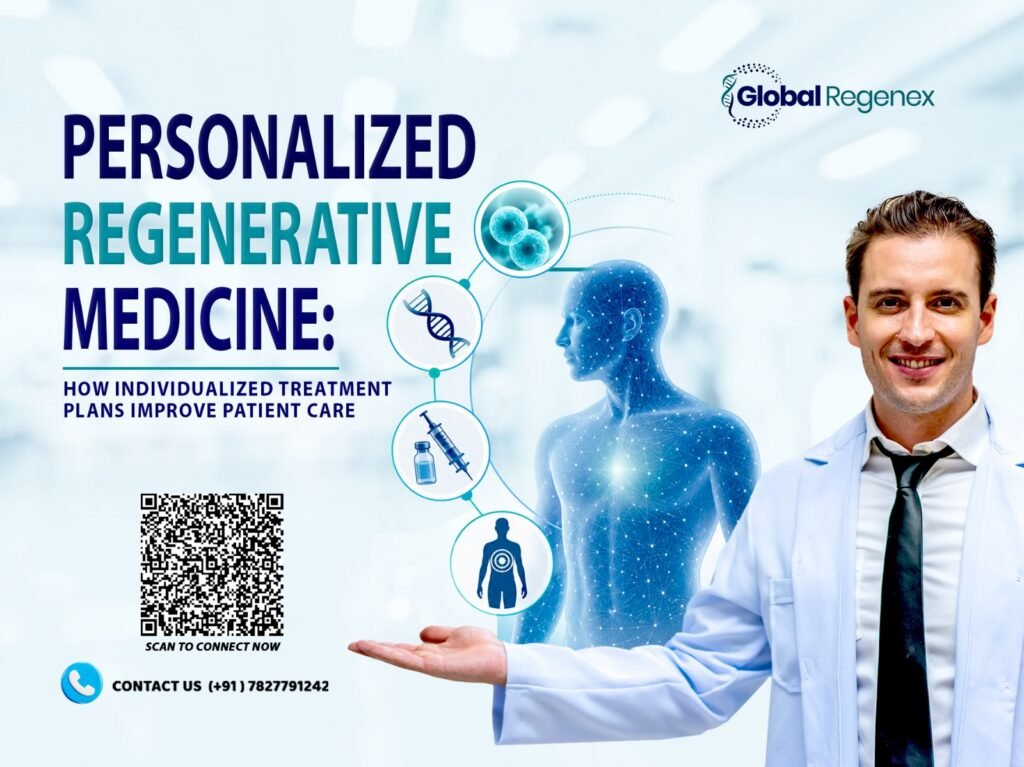
Each patient has different healthcare needs, which means the same treatment approaches may not be suitable for everyone. Personalised regenerative medicine focuses on tailoring treatment plans based on the patient’s full diagnosis, medical history, overall health, and treatment goals instead of following the standard approach. This personalised process helps healthcare professionals recommend care that aligns with each patient’s healthcare needs while supporting informed decision-making throughout the medical journey. Key Takeaways Personalised regenerative medicine focuses on developing treatment plans based on an individual’s medical condition, health history, and recovery goals. A comprehensive medical evaluation helps healthcare professionals determine whether regenerative medicine may be appropriate for a patient’s specific needs. Individualised treatment planning may include reviewing diagnostic reports, imaging, lifestyle factors, and previous treatments before recommendations are made. Personalised care also involves ongoing monitoring and adjustments when appropriate to support the patient’s progress. Except for approved hematopoietic stem cell transplantation (HSCT) applications, most stem cell therapies in India remain investigational and are permitted only within regulated clinical research settings under applicable guidelines. An evidence-based, patient-centred approach helps individuals make informed healthcare decisions while maintaining realistic treatment expectations. Medically Reviewed By Written By Nishat Arfin Scientific Review By Tabish Iqbal Medically Approved By Global Regenex Medical Team Last Reviewed: July 2026 Personalised Regenerative Medicine: How Individualised Treatment Plans Improve Patient Care When patients discuss treatment options, they expect the treatment to be more based on their condition, rather than a standard approach. In some cases, traditional approaches remain a reliable healthcare option. However, even for two patients sharing the same diagnosis, doctors often advise different treatment plans for patients based on factors such as medical history, condition, treatment goals, and overall healthcare needs. In regenerative medicine, doctors look beyond the diagnosis alone. Medical history, current health, diagnostic findings, previous treatments, and recovery goals all help determine whether regenerative medicine may be appropriate and, if so, how treatment should be planned. With regenerative medicine still being an investigational area of medicine, there are still many uses of stem cells that are experimental and need further clinical studies. Instead of taking a routine approach, healthcare providers examine every single case and tailor a treatment protocol in accordance with modern clinical data and the particular needs of an individual. Knowing the reasons why treatment protocols are personalised can be helpful for patients when posing questions and setting realistic expectations. What Does Personalised Regenerative Medicine Mean? Personalised regenerative medicine is an approach that considers the unique health condition of each patient before advising a treatment plan. Rather than relying on the standard approaches for everyone with the same diagnosis, healthcare professionals assess multiple clinical factors to understand whether regenerative medicine may be appropriate for a patient’s specific needs. To understand how personalised regenerative medicine works, doctors generally focus on four key areas: Assessment of Individual Health: Each patient is assessed according to his/her past medical history, current health status, diagnostics and previous treatments and not just the diagnosis. Evidence-Based Clinical Decision–Making: Treatment recommendations should be based on evidence currently available and clinical guidelines as well as a clinical assessment of the case. Patient-Centered Care: The patients are asked to share about their symptoms, concerns, treatment goals and expectations so that a decision can be made together. Personalised regenerative medicine does not mean creating a completely different treatment for every patient. It means using clinical evidence and individual health information to recommend the most appropriate approach for that person. What Factors Influence an Individualised Treatment Plan? Healthcare specialists tailor a personalised treatment plan based on careful review of several aspects of a patient’s health rather than focusing only on the diagnosis. This comprehensive evaluation considers each patient’s unique needs before considering whether regenerative medicine may be an appropriate option. Doctors generally review several aspects before developing an individualised treatment plan: Medical Condition and Diagnosis The nature of the disease, its seriousness, and the period of time for which the symptoms have been there have an impact in helping the clinician determine the appropriate treatment method. Medical History The surgical history, any other health problems the person is suffering from, medications, any previous treatment, allergies, among others, help create a full health picture of the person. Diagnosis Results Clinical information can be obtained through imaging results and laboratory reports, among others. Lifestyle and Recovery Goals Daily activity levels, occupation, physical demands, and personal recovery expectations may also be considered when discussing suitable treatment options. Overall Health Status Factors such as age, general fitness, and existing health conditions can influence treatment decisions and help ensure that recommendations are appropriate for the individual’s clinical needs. Taking into account these considerations, the healthcare professional will come up with a treatment plan based on the health of the patient as opposed to only focusing on the specific diagnosis. How Is the Most Appropriate Treatment Approach Determined? Once all medical information is gathered, healthcare specialists start reviewing the complete clinical picture before suggesting the treatment approach. The objective is not only to determine whether regenerative medicine should be considered, but to identify the option that is suitable for the patient’s condition, current health status, and long-term care objectives. In some cases, conventional treatment, rehabilitation, or a combination of therapies often remain the most suitable choice. Before making a recommendation, doctors generally consider: Current Clinical Evidence: The currently available information concerning a particular illness is studied to determine the appropriateness of applying regenerative medicine in a case and compare it with other therapies. Potential Benefits and Limitations: Each therapy has its pros and cons. Discussing them with a patient will allow forming reasonable expectations about a treatment before making a decision. Overall Risk Assessment: The physician considers whether the potential benefits outweigh the possible risks according to the general well-being and clinical condition of the patient. Patient Preferences and Shared Decision-Making: The decision regarding the therapy is made in discussions with the patient. The patient is advised to have knowledge of his treatment options and actively participate in making decisions concerning his health. Considering
What Should You Look for When Choosing a Regenerative Medicine Centre?

Selecting an appropriate regenerative medicine clinic goes beyond just considering the types of treatments offered and the cost. One must consider whether the medical team has relevant experience, how carefully your condition is evaluated, whether the potential benefits and limitations have been explained clearly, and whether the centre follows evidence-based clinical practice. Key Takeaways Choosing a regenerative medicine centre requires careful evaluation of medical expertise, patient care, and treatment planning. A reputable centre should conduct a thorough medical assessment before recommending any regenerative therapy. Clear communication about expected outcomes, possible risks, and current clinical evidence is an important part of informed decision-making. Qualified specialists, appropriate laboratory standards, and patient safety measures are key factors to consider. Except for approved hematopoietic stem cell transplantation (HSCT) applications, most stem cell therapies in India remain investigational and are permitted only within regulated clinical research settings under applicable guidelines. Comparing more than one centre and asking detailed questions during your consultation can help you choose the option that best suits your individual needs. Medically Reviewed By Written By Nishat Arfin Scientific Review By Tabish Iqbal Medically Approved By Global Regenex Medical Team Last Reviewed: July 2026 How to Choose the Right Regenerative Medicine Center: A Complete Patient Checklist In India, there are dozens of centres and hospitals offering regenerative medicine, including stem cell therapy. However, finding the right regenerative medicine centre is not as simple as it may seem. Many centres often provide the same services, making it challenging for patients to understand what really matters before making the healthcare decision. Looking beyond the treatments a centre offers, it is equally important to understand how your condition is evaluated, how treatment recommendations are made, and whether the centre follows safe, evidence-based clinical practices. Regenerative medicine is still a developing field, and there are still numerous stem cell applications that have yet to be clinically studied. Being aware of what to look for when considering a regenerative medicine clinic will help you make an informed decision. Why Does Choosing the Right Regenerative Medicine Centre Matter? Deciding which regenerative medicine centres to choose involves more than finding a place that offers a particular treatment. Determining the quality of the medical evaluation, the information you receive during the consultation, and the overall approach to patient care can all influence how your treatment experience may go and help you make informed medical decisions. Before proceeding with any kind of treatment, it is essential to ask yourself whether the centre: Reviews your medical history and current health before recommending treatment. Explains the possible benefits, limitations, and available treatment options clearly. Encourages you to ask questions and participate in treatment decisions. Recommends regenerative medicine only after a thorough clinical evaluation. Sitting back and taking time to evaluate these aspects can help you choose the right regenerative medicine centre that prioritises transparency, patient safety, and responsible medical care. What Should You Look for Before Choosing a Regenerative Medicine Centre? Your first consultation often tells you more about a regenerative medicine centre than any advertisement or website. A responsible centre should focus on understanding your condition before discussing treatment options, helping you make an informed decision rather than encouraging immediate treatment. During your consultation, consider whether the centre: Undertake an extensive medical examination before giving suggestions for treatments. Look into your medical history, scans, and test results to fully know about your illness. List down all treatment methods that are applicable to you, both conventional and otherwise. Describe to you the advantages, limitations, and possible risks of using regenerative medicine objectively. Create a customised treatment program according to your illness diagnosis rather than giving everyone the same treatment. Give ample time to your questions so that you know all about your treatment options. A centre that has a proper consultation program will definitely help its patients make wise healthcare decisions. How Can You Evaluate the Medical Team and Facility? A genuine regenerative medicine centre not only provides a personalised experience in the treatment it provides but also the expertise of its medical team and the quality of patient care. Before deciding where to undertake treatment, consider whether the centre meets the following expectations. Qualified Medical Specialists: Firstly, look for regenerative medicine specialists who have relevant training and experience in the field and the condition being evaluated. Multidisciplinary Approach: Look for centres that may involve specialists from different medical fields to provide more comprehensive treatment planning when required. Accredited Laboratory and Facility Standards: Accredited quality and safety standards can contribute to consistent clinical procedures and care delivery. Proper Infection Control Procedures: Appropriate hygiene and safety procedures are crucial in ensuring the health of patients undergoing any medical procedure. Clear Patient Communication: Patients should receive clear guidance about consultations, treatment planning, follow-up care, and whom to contact if they have further questions. A good facility is necessary, but it is supposed to be combined with skilled healthcare professionals, clear clinical procedures, and a patient safety focus. Considering these aspects in combination gives a more complete overview compared to advertisement and testimonial information alone. What Are the Warning Signs of an Unreliable Regenerative Medicine Centre? While there are many regenerative medicine clinics and centres to choose from, only some of them follow responsible clinical practices, which makes it equally important to recognise the warning signs that may indicate the centre’s unreliability. Finding these warning signs early can help patients avoid making decisions influenced by unrealistic expectations or incomplete information. Some common red flags include: Guarantees successful outcomes or claims to cure every condition. Recommends treatment without reviewing your medical history or diagnostic reports. Avoids discussing possible risks, limitations, or alternative treatment options. Pressures you to begin treatment before you have time to ask questions or consider your options. Provides incomplete information about the treatment process, follow-up care, or recovery It is important that a reliable centre specialising in regenerative medicine is transparent and helps its clients make the right decision. By noticing these red flags, you will find a centre that puts its clients’
What Should You Do Before Travelling to India for Medical Treatment?

Planning your first medical journey to India includes more than booking a flight. Before you travel, it is important to organise your medical records and secure the appropriate travel documents, confirm your treatment schedule, and plan your accommodation and local transportation. Preparing in advance can help reduce unnecessary stress, avoid last-minute delays, and ensure you are well prepared for your first consultation and treatment. A well-planned medical journey allows you to focus on your health instead of travel logistics. Key Takeaways Preparing for medical travel involves organising your healthcare, travel, and accommodation plans well before your departure date. Keeping essential documents, medical records, and prescriptions ready can help avoid unnecessary delays during your journey. Planning your arrival, local transportation, and post-treatment stay in advance can make your experience more comfortable and less stressful. Packing thoughtfully ensures you have everything needed for your treatment, recovery, and daily needs while in India. Understanding what to expect before, during, and after your medical trip can help you travel with greater confidence and peace of mind. Seeking guidance from your healthcare provider or medical facilitator before departure can help you prepare for a smoother treatment journey. Medically Reviewed By Written By Nishat Arfin Scientific Review By Tabish Iqbal Medically Approved By Global Regenex Medical Team Last Reviewed: July 2026 First-Time Medical Traveller to India? A Complete Pre-Departure Checklist Preparing for medical treatment in another country involves much more than arranging travel. Many first-time international patients wonder whether they have packed the right documents, planned enough recovery time, or understood what to expect after arriving in India. Taking care of these details before departure can make the journey more organised and allow patients to focus on their treatment instead of last-minute travel concerns. India is becoming a popular destination for numerous overseas patients due to their experienced medical professionals and modern healthcare facilities. Nevertheless, a successful medical trip starts long before the patient leaves the airport. With a pre-trip plan in place, the patient will be able to save time, focus more on treatment, and enjoy their vacation. Whether the patient is travelling alone or with a companion, this checklist will help them prepare for every stage of their medical journey before arriving in India. Why Planning Ahead Makes Medical Travel Easier Travelling abroad for medical treatment is different from planning a holiday. While managing travel arrangements, the patient needs to organise their treatment schedule, communicate with healthcare professionals, and make sure everything remains managed before you leave. Preparing ahead helps minimise avoidable disruptions and allows the patient to focus on their health once arrived. Planning your journey in advance offers several advantages: Reduces Last-Minute Stress: When you finish all necessary actions beforehand, you get more time to concentrate on your treatment rather than on any unforeseen problems that may appear during the trip. Supports Better Treatment Coordination: Making sure you have your consultation and treatment appointments arranged will help you to organise everything in a better way. Keeps You Organised: Having an itinerary will help you stay organised and keep track of all important dates, documents, and other aspects related to your treatment. Allows Time for Unexpected Changes: Last-minute flight changes, medical requirements, or paperwork may arise. Being prepared will allow you enough room to take care of any unforeseen circumstances without putting yourself under extra pressure. Even though being prepared won’t take away all the hurdles, it will certainly make your entire medical experience more smooth and organised. What Documents Should You Prepare Before Departure? Keeping all the documents organised before travelling can help prevent unnecessary delays at immigration, during hospital registration, and throughout the treatment journey. Packing both printed and digital copies in one secure folder also makes it easier to access important information whenever needed. Use the following list before your travel: Valid Passport: Make sure that your passport is valid and that there are enough blank pages in your passport for immigration stamping. Medical Visa and Other Supporting Documents: Make sure that you have got your medical visa approval. Also, make sure that you are carrying all the documents that are being asked for by the authorities, like an invitation letter from the hospital, if applicable. Medical History: Have all your medical reports, scan reports, laboratory reports, and referrals organised in chronological order. Doctor’s Prescription: Carry all the copies of your prescriptions, including medication names and their dosage. Travel and Health Insurance Details: Carrying your insurance details is very important. You should be clear about what your insurance will cover during your stay. Emergency Contact Information: Keep a hard copy as well as a digital copy of your emergency contacts, such as family members, your attending doctor’s details, and your accommodation details. Preparing all these documents before departure helps ensure a smoother check-in process, faster hospital registration, and better communication with the healthcare team after arrival in India. How Should You Plan Your Travel and Accommodation? After medical appointments are confirmed, the next step is to organise travel and accommodation in India. Planning these arrangements early can help patients arrive on time, settle in comfortably, and avoid any stress before the treatment begins. Book Your Flights Wisely Try to book your flights in such a way that you will be able to reach India one or two days prior to your planned consultation. That will give you some time to settle down and make your trips to the hospital hassle-free. Choose Accommodation Close to Hospital Choosing accommodation close to your treatment centre can make follow-up visits, scheduled evaluations, and recovery after procedures more manageable, particularly if multiple hospital visits are required. Plan Local Transportation Try to plan your local transport beforehand so that when you reach India, you will not have to worry about how to move around from the airport to the hotel to the hospital. Travel with a Companion if Needed If your treatment requires the assistance of someone for you, do not forget to bring along your family member or friend with you so that you
How Does Stem Cell Therapy Compare with Knee Replacement Surgery?
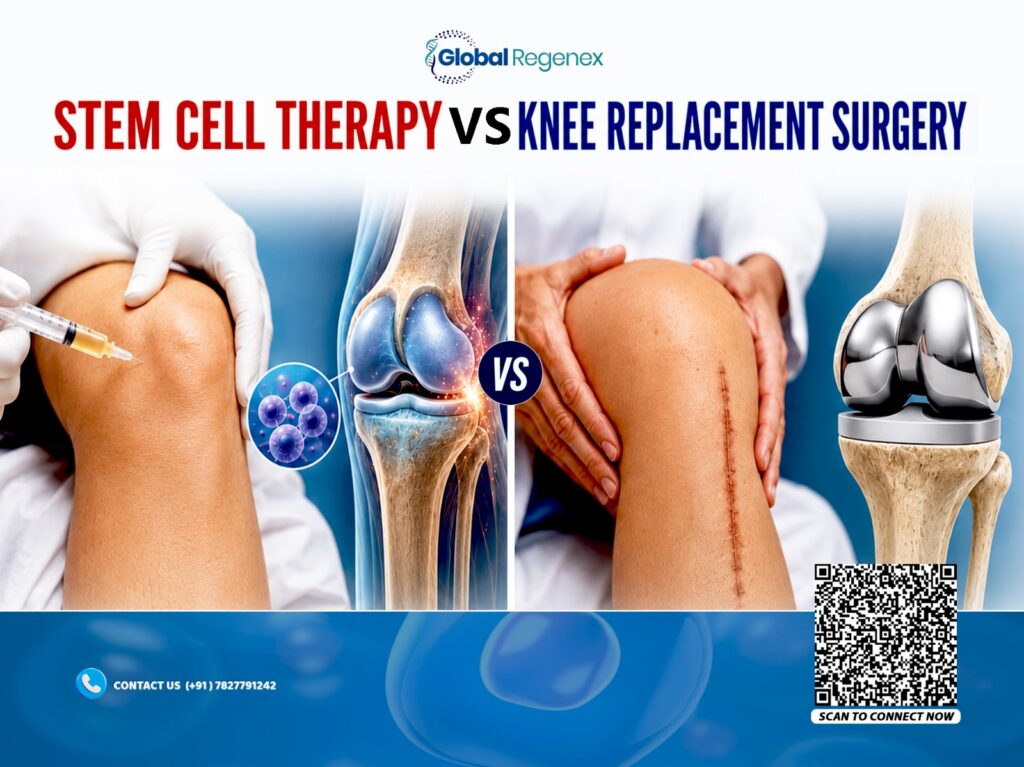
Stem Cell Therapy and Knee Replacement Surgery are two methods that can be used to treat different kinds of knee ailments based on the patient’s diagnosis and symptoms, among other considerations. Stem cell therapy is an emerging area of regenerative medicine research, whereas knee replacement surgery is an established orthopedic procedure for selected patients with severe joint damage. Having a clear idea of the differences between these methods could assist patients in making well-informed decisions about their options during consultations with medical practitioners. Key Takeaways Stem cell therapy and knee replacement surgery differ in their purpose, treatment approach, and current clinical use. Knee replacement surgery is an established treatment option for selected patients with severe knee joint damage. Stem cell therapy continues to be studied for its potential role in regenerative medicine and knee-related research. The available scientific evidence varies depending on the treatment approach and the patient’s condition. Treatment decisions should consider the severity of the knee condition, overall health, and professional medical advice. Patients are encouraged to discuss the potential benefits, risks, and available treatment options with qualified healthcare professionals. Medically Reviewed By Written By – Nishat Arfin Scientific Review By Tabish Iqbal Medically Approved By – Global Regenex Medical Team Last Reviewed: June 2026 Stem Cell Therapy vs Knee Replacement Surgery Suffering from persistent knee pain can affect a person’s mobility, daily activities, and overall quality of life. While the symptoms progress, many individuals start to explore different treatment approaches and often compare emerging cell-based therapies with well-established surgical procedures. However, sometimes stem cell therapy and knee replacement surgery are discussed together, but they are fundamentally different in their objectives, approaches, and current clinical use. While knee replacement surgery has an established role in managing certain orthopedic conditions, stem cell therapy remains under investigation through ongoing clinical research for various regenerative medicine applications. This blog highlights the differences between stem cell therapy and knee replacement surgery, presents the scientific findings in this regard, and discusses the issues that need to be considered by patients during consultation with their health care providers. How Is Stem Cell Therapy Being Studied for Knee Conditions? In recent years, stem cell therapy has attracted the interest of patients as well as researchers to explore new approaches for managing knee-related conditions, especially those involving joint tissue and cartilage. Instead of replacing traditional treatment approaches for orthopedic procedures, current research is investigating how stem cell-based approaches may contribute to regenerative medicine and to better understand joint health. Current research continues to evaluate the safety, effectiveness, and long-term outcomes of stem cell-based approaches for different knee conditions. Nevertheless, the evidence that is currently available depends on several factors, including the medical condition being considered, the specific kind of stem cells, and the course of treatment. Knowing about the current state of stem cell therapy is important when comparing it with more conventional methods, such as knee surgery. When Is Knee Replacement Surgery Typically Considered? Knee replacement surgery is typically considered for the patient when there is knee joint damage or when symptoms such as persistent pain, stiffness, and reduced mobility continue to affect daily activities, despite other suitable non-surgical management. The decision to undergo surgery is often based on a comprehensive clinical evaluation rather than a single symptom or imaging result. Many different factors can be considered by healthcare professionals before advising knee replacement surgery, such as: Joint Damage Severity: This is determined through clinical and imaging assessments, which evaluate the extent of cartilage loss, changes to the joints, and overall function of the knee. Impact on Daily Activities: Difficulties walking, climbing stairs, or completing regular activities may factor into the development of treatment plans. Response to Previous Treatment: Whether previous treatments using medication, physical therapy, lifestyle changes, or other conservative interventions have been effective or not is usually considered. Overall Patient Health: Age, medical history, health problems, and overall eligibility for surgery play a role in the clinical assessment process. Patient Objectives and Expectations: Lifestyle, activity level, and individual objectives also play a role in the decision-making process for patients and practitioners. Given that every patient is unique, the recommendation to undergo knee replacement surgery will depend on an individual assessment by an orthopedist. Stem Cell Therapy vs Knee Replacement Surgery Though stem cell therapy and knee replacement surgery may appear in the same discussion, they are completely different in objective, level of evidence, and clinical application. The following comparison provides a general overview of how these approaches differ. Feature Stem Cell Therapy Knee Replacement Surgery Main Approach Investigated in regenerative medicine to better understand tissue-related processes and joint health. An established surgical approach that replaces damaged parts of the knee joint with artificial components. Current Clinical Status Some applications have been established, while others remain under clinical investigation. Widely performed in clinical settings for appropriate knee joint damage. Treatment Goal Research focuses on understanding regenerative approaches and their potential role in patient care. Aims to relieve pain and improve joint function by replacing damaged joint surfaces. Scientific Evidence The level of evidence varies based on condition, stem cell type, and treatment protocol. Supported by established clinical guidelines and long-term evidence for appropriate patient populations. Patient Eligibility Suitability depends on the medical condition, available evidence, and professional evaluation. It is determined through orthopaedic assessment, imaging findings, symptom severity, and overall health. Recovery Considerations Recovery and follow-up requirements vary depending on the specific treatment approach being studied. Recovery generally involves rehabilitation, physical therapy, and regular follow-up after surgery. It is advisable to review both approaches within the context of individual medical condition, treatment objectives, and available evidence. Patients are encouraged to discuss all the options with a qualified healthcare professional before making any decision. Can Stem Cell Therapy Replace Knee Replacement Surgery? Many patients wonder if stem cell therapy will ever be able to replace knee replacement surgery. The answer depends on several clinical factors, including the underlying knee condition, the extent of joint damage, and the available scientific evidence. Stem cell therapy and
What Should Patients Know About Stem Cell Therapy Safety?
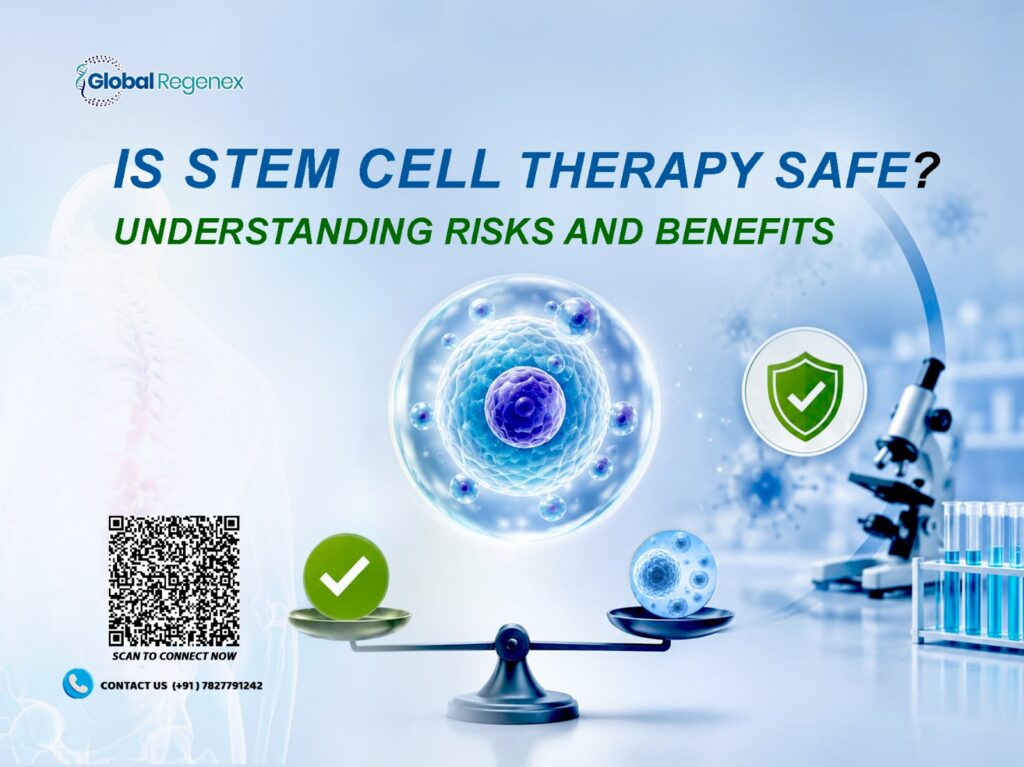
Stem cell therapy continues to be a widely researched field across different areas of regenerative medicine. While some stem cell-based approaches are still being investigated in clinical and research settings, safety considerations may vary depending on several factors such as the types of stem cells used, the medical condition, treatment protocols, and patient condition. Understanding both potential risks and possible benefits can help patients understand and make informed healthcare decisions. Key Takeaways Stem cell therapy remains an active area of scientific and clinical research. Safety considerations may vary depending on the treatment approach and individual patient factors. Researchers continue to study the potential risks and benefits associated with stem cell-based therapies. Patients should carefully evaluate available scientific evidence before making healthcare decisions. Consultation with qualified healthcare professionals is important when exploring regenerative medicine options. Ongoing research continues to improve the understanding of stem cell safety and clinical applications. Medically Reviewed By Written By – Nishat Arfin Scientific Review By Tabish Iqbal Medically Approved By – Global Regenex Medical Team Last Reviewed: June 2026 Is Stem Cell Therapy Safe? Understanding Risks and Benefits Among the most common concerns raised by patients who start researching stem cell therapy is to know if this approach is safe. As interest in regenerative medicine continues to evolve, many patients seek reliable information about potential risks, possible benefits, and the scientific evidence currently available rather than relying on false claims. The safety of stem cell therapy depends on several factors, including the type of stem cells used, the medical condition being addressed, the treatment protocol, and individual patient characteristics. Some stem cell technologies have already been examined in the clinical and scientific fields, while others are still being investigated. Being aware of the possible advantages and disadvantages of stem cell therapy is an essential aspect of the decision-making process in terms of healthcare. This blog discusses existing scientific knowledge, aspects of safety, and things to consider before using stem cell technology. What Is Stem Cell Therapy? Stem cell therapy is one of the widely studied branches of regenerative medicine that involves exploring and using stem cells in healthcare research. Stem cell therapy refers to approaches that involve the study and use of stem cells within regenerative medicine. Researchers investigate these cells because of their unique biological characteristics and their role in understanding tissue biology and cellular function. Further study of methods based on the use of stem cells is ongoing to gain more knowledge of cellular functioning and biological mechanisms related to health and illnesses. Scientific research in the realm of stem cells includes experiments performed in laboratories and clinics, as well as increasing knowledge of this issue. Stem cell therapy is still under scientific consideration in many branches of medicine. What Types of Stem Cells Are Commonly Studied? Stem cell researchers work with various categories of stem cells within regenerative medicine studies. Each category features particular biological attributes and is investigated for its unique scientific significance. Mesenchymal Stem Cells (MSCs): Among the most often researched stem cells in the field of regenerative medicine, there are mesenchymal stem cells. Researchers explore their biological properties and functions in healthcare studies. Hematopoietic Stem Cells: Hematopoietic stem cells are responsible for the formation of blood cells and are widely researched both in the laboratory and clinical settings. Induced Pluripotent Stem Cells (iPSCs): Induced pluripotent stem cells are produced from adult cells by transforming them into stem cells. These are used for studying diseases, cell behavior, and regenerative medicine. Other Stem Cell Types: There are other fields of stem cell study that researchers explore in order to learn more about cellular biology and regenerative processes. Understanding different types of stem cells helps better comprehend safety issues and ongoing research. Why Is Stem Cell Therapy Safety Important? As regenerative medicine continues to move forward, safety remains the most important consideration for patients discussing stem cell therapy. Before considering stem cell therapy, patients often seek information about how stem cell-based approaches are evaluated and what factors may influence their safety. Safety of stem cell treatments does not depend on one particular factor. Scientists focus on possible impacts of different types of stem cells, treatment methods, the medical environment, and individual patient characteristics, which may influence outcomes and safety considerations. Since regenerative medicine consists of various methods, assessing their safety can be challenging for scientists. Scientific investigation of safety is conducted through laboratory study, clinical trials, patient observation, and post-study investigations. This allows scientists to learn more about the possible risks and those aspects that need to be studied further. With the development of stem cell science, safety issues will always remain important when making medical decisions. Patients are advised to consult qualified health care specialists regarding existing information on the risks and possible applications of stem cell therapy. What Potential Benefits Are Researchers Studying? For years, stem cell therapy has continued to attract scientific interest because of its potential applications for a wide range of areas in regenerative medicine. While research is ongoing, some applications require further investigation, and others are currently being explored. Advancing Scientific Understanding Stem cell studies have helped researchers understand how cells function, interact, and respond within different biological environments. Such findings continue to support a variety of fields in regenerative medicine Improving Understanding of Medical Conditions Scientists conduct studies using stem cells in order to investigate the development and progression of certain diseases. Such findings could be helpful in furthering our understanding of medical conditions. Supporting Personalized Medicine Research Stem cell research has been known to encourage attention towards understanding the role of biological variation in relation to healthcare practices. This remains an important area of ongoing scientific investigation. Expanding Knowledge of Human Biology Stem cells are widely utilized in laboratory and clinical studies in order to assess various biological reactions and ensure safety for future healthcare interventions. Expanding Knowledge of Tissue Function and Repair Scientist currently exploring how stem cells interact with tissue and biological systems. These studies have helped in growing the understanding of
What Is Stem Cell Therapy FDA Approval?
Currently, the U.S. Food and Drug Administration (FDA) has approved some stem cell-based products for specific medical conditions, especially those involving blood and immune system disorders. However, many stem cell-based therapies promoted for orthopedic, neurological, autoimmune, and other conditions remain under investigation and have not yet received FDA approval for clinical use. It is important to understand the difference between approved and investigational stem cell applications before making an informed healthcare decision. Key Takeaways The FDA has approved certain stem cell-based products for specific medical conditions. Many stem cell therapies offered for other conditions remain under clinical investigation. FDA approval depends on scientific evidence demonstrating safety, quality, and effectiveness. Patients should understand whether a treatment is FDA-approved or investigational before making healthcare decisions. Discussing treatment options with qualified healthcare professionals can help patients better understand available evidence. Reliable medical information and regulatory guidance play an important role when exploring regenerative medicine. Medically Reviewed By Written By – Nishat Arfin Scientific Review By Tabish Iqbal Medically Approved By – Global Regenex Medical Team Last Reviewed: June 2026 Is Stem Cell Therapy FDA Approved? In recent years, stem cell therapy has gained significant attention as regenerative medicine continues to move forward. As more and more people start to seek stem cell-based approaches for different medical conditions—one of the most common questions remains whether these treatments have received approval from the U.S. Food and Drug Administration (FDA). The answer depends on the type of stem cell therapy and the medical condition being considered. Although some stem cell-based products have been approved by the FDA for certain medical purposes, other stem cell treatments are still being studied through clinical research. This information is essential to understand that FDA approval is granted after extensive laboratory research, clinical trials, and regulatory review demonstrate that a product meets established standards for safety, quality, and effectiveness. This blog will cover what FDA approval is, which stem cell treatments are approved at present, and what patients need to know about regenerative medicine. What Does FDA Approval Mean for Stem Cell Therapy? More often, when a patient hears about a new treatment coming into clinical practice. The first thought that comes to mind is whether this approach is FDA approved, which generally means that the U.S. Food and Drug Administration has reviewed scientific evidence to determine whether this product meets the specific standard of safety, quality, and effectiveness for particular medical practices. The FDA approval is only granted after extensive laboratory research, clinical studies, and regulatory evaluations. For stem cell therapy, the FDA has approved specific stem cell-based products and medical indications, rather than every type of stem cell treatment or every condition. This is an important factor because a treatment approved for one disease does not necessarily mean approved for another. Key aspects to understand include the following: Scientific Evidence The FDA approves treatments that have proven to be effective as a result of scientific studies conducted in laboratories and during clinical trials. Approval Is Condition-Specific A stem cell product may receive approval for treating one disease but will be considered investigational in relation to another disease or injury. Approval is related to the specific purpose of a stem cell product, not to the stem cell product itself. Quality and Manufacturing Standards The requirements regarding quality, safety, and manufacturing of stem cell-based products must be met before approval. Continuous Monitoring Regulatory agencies continue monitoring the safety of the product after its approval through post-marketing surveillance and more scientific evidence. It is important for patients to know the meaning of FDA approval to differentiate between treatments that have obtained regulatory approval and those that are still in development. Which Stem Cell Therapies Are Currently FDA Approved? The U.S. Food and Drug Administration has the authority to regulate any regenerative medicine, such as stem cell therapy and exosome therapy. However, in recent times, there have been a lot of misconceptions on the internet about stem cell therapy, such as that all applications of stem cell therapy have been approved by the FDA. In reality, the FDA has approved only certain stem cell-based products for specific medical conditions. Most of them are related to disorders affecting the blood and immune system, while many other applications remain under strict clinical investigation. Some examples include: Hematopoietic Stem Cell (HSC) Transplant Hematopoietic stem cell (HSC) transplant is one of the well-established stem cell therapy applications. HSCs can be utilized in the therapy of various kinds of blood cancer, blood disease, and immune system disorders, depending on the patient’s diagnosis. Hematopoietic stem cells can be harvested from bone marrow, peripheral blood, or umbilical cord blood. FDA-Approved Umbilical Cord Blood Products Several umbilical cord blood products approved by the FDA are available for use in patients suffering from disorders that affect their blood and immune system formation. The approval process for those products involves rigorous evaluation according to the established regulations. Condition-Specific Approvals The FDA approval refers only to particular medical conditions that have been tested when evaluating the safety and efficacy of the stem cell-based product. Approval for one disease does not automatically approve the same treatment for another disease or injury. Many Applications Remain Investigational Misconceptions such as stem cell therapies promoted for orthopedic conditions, neurological disorders, autoimmune diseases, and many others are still being investigated through clinical research. Their safety and effectiveness continue to be evaluated, and several applications have not received FDA approval for these specific uses. Knowing which therapies are FDA-approved and which are investigational can help people better understand information about possible treatments and discuss them with medical professionals. How Can Patients Tell if a Stem Cell Therapy Is FDA Approved? As interest in stem cell therapy has grown, sometimes patients may come across clinics that offer unapproved treatments for a wide range of medical conditions. Although not every stem cell-based treatment has received FDA approval. Understanding how to verify the regulatory status of a stem cell therapy can help patients make more informed healthcare decisions. When considering a stem
How Does Stem Cell Therapy Compare with Traditional Treatment Approaches?
In simple terms, stem cell therapy and traditional treatment approaches can be different in their objective, approach, and the level of evidence supporting their use. Although traditional medical approaches are widely supported by long-term evidence and used to diagnose, manage, and treat many health conditions based on established clinical guidelines. On the other hand, stem cell therapy is still being studied in regenerative medicine, with some applications still undergoing scientific and clinical evaluation. Understanding these differences may help patients have an informed discussion with a qualified healthcare professional before considering available healthcare options. Key Takeaways Stem cell therapy and traditional treatment approaches differ in their goals, methods, and current clinical use. Many traditional treatments are supported by established clinical guidelines for specific health conditions. Stem cell therapy continues to be investigated across multiple areas of regenerative medicine research. The level of scientific evidence varies depending on the treatment approach and the condition being studied. Treatment decisions should be based on individual health needs, available evidence, and professional medical advice. Patients are encouraged to discuss potential benefits, risks, and available options with qualified healthcare professionals. Medically Reviewed By Written By – Nishat Arfin Scientific Review By Tabish Iqbal Medically Approved By – Global Regenex Medical Team Last Reviewed: June 2026 Stem Cell Therapy vs Traditional Treatment Approaches The healthcare system, nowadays, offers a variety of treatment options, each medical growth to address different medical conditions and patient circumstances. Alongside well-established traditional medical treatments, regenerative medicine has come forward as a growing field attracting scientific interest across the world, leading many patients to seek information about approaches such as stem cell therapy and how it compares with conventional approaches. Despite both approaches aiming to support patient care, they vary greatly in the way that they are researched, used, and evaluated. Traditional medical treatments may depend largely on proven techniques and long-established evidence for particular diseases, while most stem cell therapy procedures are still being investigated in the process of scientific and clinical research. This blog compares stem cell therapy with traditional treatment approaches, describes differences between them, analyzes the current scientific evidence, and presents the main aspects that patients need to consider. What Is Stem Cell Therapy? One of the most actively researched areas of regenerative medicine is stem cell therapy, which involves the study and use of stem cells in healthcare and scientific research. Stem cells are small and unique cell types—as they can develop into different cell types under specific biological conditions, making them an important focus of regenerative medicine. While medical understanding continues to advance, stem cell-based approaches have been studied for different areas of healthcare. Researchers continue to examine stem cells’ potential applications, safety, and long-term outcomes through laboratory investigation and clinical studies. Some stem cell-based applications have established clinical uses for specific medical conditions, while many others continue to be investigated. It is necessary to be aware of existing scientific evidence because it helps to compare stem cell therapies with traditional approaches to treatment. What Are Traditional Treatment Approaches? Traditional treatment approaches, on the other hand, often refer to well-established medical approaches that are supported by long-term evidence and used to prevent, diagnose, manage, or treat health conditions. Depending on the patient’s diagnosis and needs, these approaches may include medication, surgery, physical rehabilitation, lifestyle modification, or be suggested by a qualified healthcare professional. While many of the treatments are backed by clinical guidelines that have been created after years of research and experience in practice, the best treatment option changes from one condition and the level of the disease to another, based on the health condition of the patient and their treatment objectives. In the process of the evolution of medicine, traditional treatment approaches continue to play an important role in healthcare, while regenerative medicine continues to evolve through scientific research. Key Differences Between Stem Cell Therapy and Traditional Treatment Approaches Feature Stem Cell Therapy Traditional Treatment Approaches Primary Focus Studied within regenerative medicine to better understand cell function and tissue repair. Focuses on preventing, diagnosing, managing, or treating medical conditions using well-established clinical approaches. Scientific Evidence Evidence varies depending on the condition and treatment approaches. Several approaches continue to be investigated. Many approaches are supported by clinical guidelines and long-term evidence for specific conditions. Current Clinical Use Some stem cell-based treatments have established clinical uses, while many regenerative applications remain under investigation. It is widely used across healthcare settings for a variety of conditions. Treatment Planning It often depends on individual eligibility, the condition being addressed, and evidence available. It is based on diagnosis, clinical guidelines, medical history, and treatment goals. Healthcare Settings It may be offered in specialized clinical and research settings, depending on the treatment. It is commonly available in hospitals, clinics, and healthcare facilities. Patient Consideration The patient should discuss current evidence, potential benefits, risks, and suitability with a qualified professional. Patients should review expected outcomes, possible risks, side effects, and available alternatives with their healthcare providers. How Do Healthcare Professionals Determine the Most Appropriate Treatment Approach? Suggesting the appropriate treatment to a patient is a personalized process that depends on several medical and individual factors. Instead of relying on a single approach for every patient, healthcare professionals evaluate each patient’s condition, medical history, treatment goals, and the available scientific evidence before making any recommendations. Some of the elements that can come into consideration include: Medical Condition: Diagnosis, severity of the condition, and general state of health of a person can affect the suitability of various treatment options. Available Scientific Evidence: The existing literature in healthcare, treatment guidelines, and scientific findings regarding the condition of a particular patient will be taken into account. Benefits and Limitations: Each treatment option has benefits, limits, and potential risks that need to be considered prior to making a decision. Patient Preferences: Patients’ own preferences and goals for treatment can be another significant element to take into account when selecting a suitable treatment plan. Clinical Evaluation: A comprehensive evaluation of the condition of a person can
What Are Mesenchymal Stem Cells (MSCs) & Why Are They Popular?
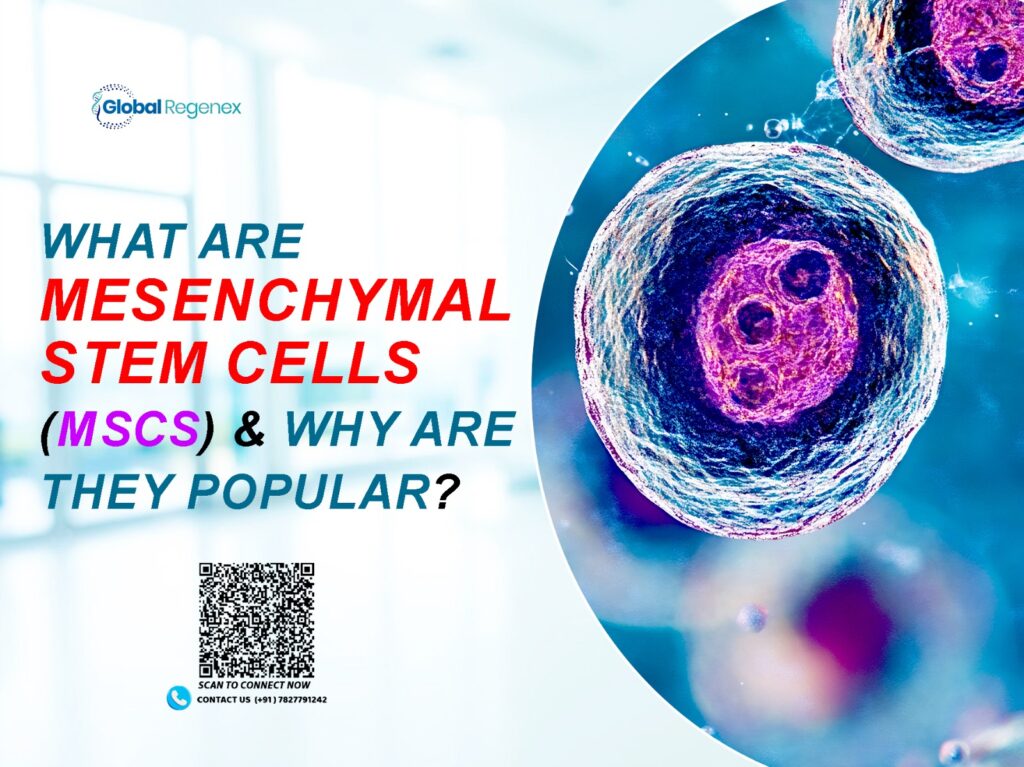
Summary: Mesenchymal Stem Cells (MSCs) are widely researched for tissue repair, immune modulation, and regenerative medicine applications. Ongoing studies continue evaluating their safety, effectiveness, and therapeutic potential across multiple medical conditions worldwide. The field of contemporary regenerative medicine has opened up many doctors into scientific inquiry on the body’s capacity to heal itself. Scientists have become quite interested in stem cells because of the potential that they possess in assisting in the recovery of tissues and reduction of inflammation within the body. Among the various kinds being studied, some adult stem cells are extensively researched in relation to orthopaedics. Autoimmune diseases, and degenerative conditions. They keep investigating them based on their safety, efficacy, and other long-term effects on patients. Research is still going on, and all stem cell treatments have not been approved by the FDA yet. Brief Explanation of Mesenchymal Stem Cells Mesenchymal Stem Cells (MSCs) are adult stem cells that typically arise from bone marrow, adipose tissues, and umbilical cord tissues. These stem cells are widely researched by scientists for their remarkable biological characteristics. The self-renewing capacity is a major characteristic of MSCs. In simple terms, MSCs have the ability to grow and renew their cells indefinitely. The cells can also undergo differentiation, making them change into specialized cells such as none, cartilage, and adipose cells. Other notable characteristics of MSCs include their immunomodulatory effects. Although this theory is still under research. Not all stem cell treatments have been approved by the FDA. How Do They Work In the Body? Mesenchymal stem cells (MSCs) have been extensively studied for regenerative therapies based on how they can interact with the body’s self-repair and immune response system. Rather than replacing damaged cells, mesenchymal stem cells rely primarily on biological signaling and communication to influence the healing process. Repair Tissue Signaling: The cells produce signaling substances that may be able to trigger the body’s natural self-healing mechanisms in the case of injury or inflammation. Anti-Inflammation: Studies show that mesenchymal stem cells may have the ability to reduce inflammation in particular tissues by modulating the behaviour of immune cells. Cell-to-Cell Signaling: Mesenchymal stem cells communicate with other cells using chemical signaling.: Immunomodulation: These cells may have immunomodulating abilities which means they might be able to regulate the body’s immune response in a certain situation. Produce Growth Factors: Mesenchymal stem cells secrete growth factors that may affect tissue repair, vascularization, and cellular processes. Why Are Mesenchymal Stem Cells So Popular? Mesenchymal stem cells have emerged as one of the most extensively investigated topics in the field of regenerative medicine and cellular therapy. The rising popularity of mesenchymal stem cells is associated with the increase in scientific investigations, clinical studies, and the interest shown by the general public in medical science. Guidance and research regarding the safety of stem cell therapies continues to be provided by many organizations. Here why they are so popular nowadays: Minimal Invasiveness Mesenchymal stem cells can be harvested through minimally invasive techniques from the bone marrow, fat tissues, or umbilical cord tissue. They provide more flexibility as compared to other cell types for use in scientific research and investigations. Highly Motivated Research Interest Over thousands of peer-reviewed journal articles focusing on MSCs have been published on PubMed. The researchers remain highly interested in their behaviour, safety, and medical application potential. Promising Potential in Regenerative Medical MSCS have been studied for various regenerative capabilities related to tissue regeneration, inflammation reduction, and immune modulation. The field of regenerative medicine is experiencing significant interest in the last decade,boosting investments in research. Less Ethical Problems Related to Embryonic Stem Cell Research Being the adult stem cells, MSCs are associated with fewer ethical issues than embryonic stem cell research. This has contributed to broader public and scientific acceptance. Wide Scope of Research Application Various MSC applications are under investigation in orthopaedics, auto-immune diseases, neurology, and cardiology. The number of related clinical trials has also increased throughout the years. Current Research of MSCs in 2026 The studies on mesenchymal stem cells have continued to increase up to the year 2026, with the increased focus on regenerative medicine, immune-based diseases, and tissue regeneration. There have been increasing investigations of the use of MSCs in clinical trials for various conditions, including orthopaedics, cardiovascular conditions, autoimmune diseases, neurological studies, and other diseases. Various studies conducted through PubMed and funded by the National Institutes of Health are focusing on the issues of safety, administration and dosages, and outcome measures in the use of MSCs. The United States Food and Drug Administration has been stressing the fact that most of the stem cell treatments still remain experimental and more studies are needed for approval. In A Nutshell The mesenchymal stem cells remain relevant as far as scientific research in the field of regenerative medicine is concerned because of their special biological features and popularity in the clinical realm. Despite various promising research projects that are being currently conducted, more investigation remains needed since not all stem cell therapies have been approved by the FDA. Questions That Are Frequently Asked Q1. Where are MSCs commonly found? Ans: MSCs can be located in bone marrow, adipose tissue, umbilical cord tissue, and other connective tissues in the human body. What can MSCs do? MSCs interact with neighboring cells, produce growth factors, and could help facilitate the natural healing process and regulate the immune response. Q2. What can MSCs do? Ans: MSCs interact with neighbouring cells, produce growth factors, and could help facilitate the natural healing process and regulate the immune response. Q3. Are stem cell therapy procedures FDA-approved? Ans: Stem cell treatments are required by the FDA. However, there are numerous unregulated MSC treatments that have not been approved yet. Q4. Are MSCs equal to embryonic stem cells? Ans: Absolutely not. MSCs are adult stem cells and pose less ethical controversy than embryonic stem cells research procedures. Q5. Is stem cell treatment a safe procedure? Ans: Safety of this procedure depends on the specific treatment approaches and the individual’s conditions. ____________________________________________________________________________