
What Is the Difference Between Stem Cell Therapy and Conventional Treatment?
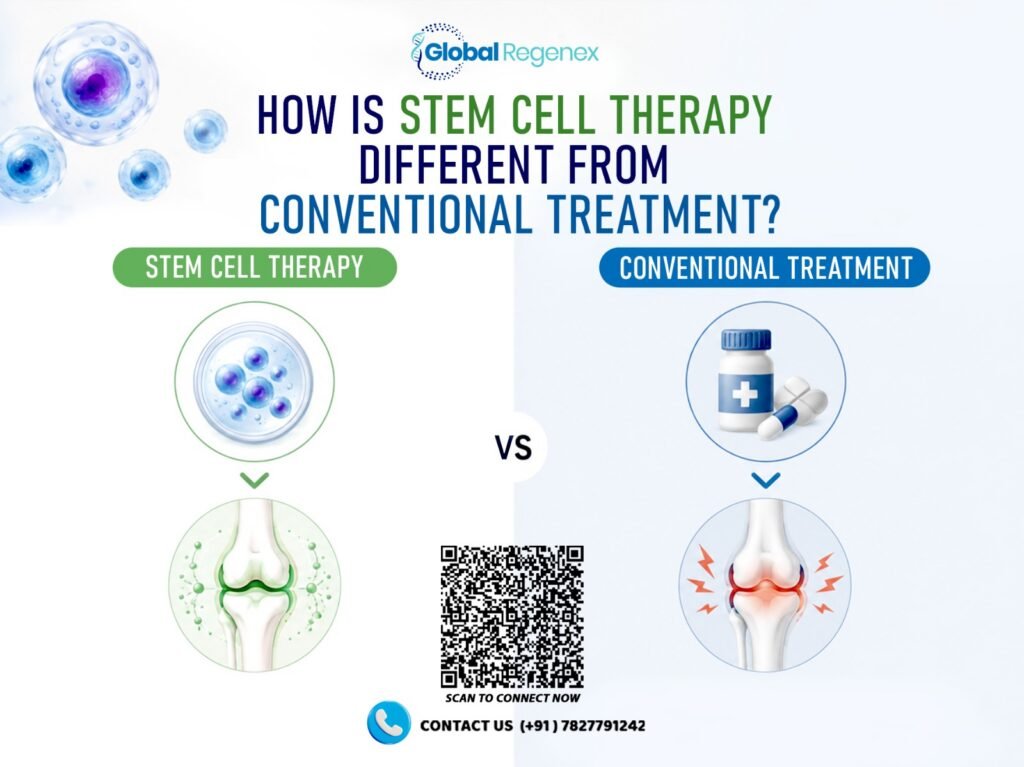
Stem cell therapy uses unique cellular approaches, while conventional treatment may involve medicines, surgery, procedures, rehabilitation, or other established forms of medical care. The main differences are based on how treatment is delivered, the level of evidence available, and its clinical role for a particular condition. Some stem cell applications are established, while others remain investigational. Key Takeaways Stem cell therapy and conventional treatment use different approaches to manage specific medical conditions. Conventional treatments may include medicines, surgery, procedures, rehabilitation, and supportive care. Stem cell therapy includes different cellular approaches, so its evidence varies by treatment and condition. Some stem cell applications have established clinical uses, while others remain investigational. The risks, expected outcomes, and clinical evidence should be assessed for the specific treatment being considered. Stem cell therapy is not automatically a replacement for conventional treatment. How Is Stem Cell Therapy Different from Conventional Treatment? Patients comparing stem cell therapy with conventional treatment may find that the two approaches differ in how they are developed, evaluated, delivered, and used in clinical care. Conventional treatment can include medicines, surgery, rehabilitation, procedures, or supportive care, while stem cell therapy refers to a broad group of cellular interventions. The term “stem cell therapy” does not describe one standard treatment. Different cell types, sources, preparation methods, protocols, and medical indications can have very different levels of evidence and clinical status. This can make comparisons difficult, particularly when information about newer cellular approaches is presented without explaining their evidence, risks, or current place in clinical care. What Is Stem Cell Therapy? Stem cell therapy refers to medical approaches that use stem cells as part of the approach. Some stem cell-based applications have established clinical uses, while many other applications remain investigational. Different approaches may involve different cell types, cell sources, preparation methods, administration routes, and treatment protocols depending on the condition and clinical purpose. In recent years, some stem cell applications have established clinical uses, while others remain the subject of ongoing clinical research. This difference matters when comparing stem cell therapy with conventional treatment, as the available evidence, treatment process, and clinical role may vary considerably between different cellular interventions. How Is Stem Cell Therapy Different From Conventional Treatment? The main difference is the type of intervention, how it is developed and evaluated, and its established clinical role. Conventional treatment, although, covers a wide range of established medical approaches, while stem cell therapy includes different cellular interventions with varying levels of clinical evidence. Features Conventional Treatment Stem Cell Therapy Treatment Approach It may involve medicine, surgery, rehabilitation, or supportive care. It uses specific cells or cellular interventions, depending on the condition and treatment. Clinical Evidence Many conventional treatments have established evidence for specific medical indications, although the strength of evidence varies by treatment and condition. Evidence varies considerably between cell types, conditions, and treatment protocols. Treatment Protocol Established treatments often have defined doses, procedures, schedules, and monitoring requirements. Protocols may differ in cell source, preparation, dose, administration route, and timing. Clinical Status Generally used as standard care for conditions where its use is established. It can range from established applications, such as certain hematopoietic stem cell transplants, to investigational approaches. Treatment Goals May focus on controlling disease, managing symptoms, removing affected tissue, restoring function, or preventing complications. The intended goal depends on the specific cellular intervention and condition and may include modifying disease activity, supporting tissue function, or addressing a specific clinical problem. Follow-up Monitoring depends on the condition and treatment, including response, side effects, and disease progression. Follow-up may assess treatment response, durability, and potential complications associated with the specific cellular approach. What Is the Clinical Evidence for Stem Cell Therapy? The level of evidence for stem cell therapy depends heavily on the condition, cell type, and treatment being studied. Some applications have established clinical uses, while other regenerative medicine applications are still being evaluated in clinical research for further evidence. Patients should assess the evidence for the specific cell type, condition, treatment protocol, and clinical indication rather than treating “stem cell therapy” as one standard intervention. Some factors that help put the evidence into context include: Specific Disease: Findings must bear relevance to the specific disease or medical condition under consideration. Type of Cell: Evidence for one stem cell type or cellular product cannot automatically be applied to another. Research Studies: Randomised controlled trials, observational studies, systematic reviews, and other research designs provide different levels of evidence. Safety Information: Evidence should consider both potential benefits and treatment-related risks. Durability: Longer-term follow-up can help determine whether observed clinical outcomes are sustained over time. Therefore, the scientific evidence must be considered alongside the individual treatment protocol and patient situation. A positive scientific study does not in and of itself mean that the treatment is appropriate for everyone. How Is Stem Cell Therapy Delivered? The way stem cell therapy is delivered to patients usually depends on the cell type, medical condition, and treatment protocol. Unlike many conventional medicines that may have established dosing and administration schedules, cellular interventions can involve additional steps related to cell collection, processing, administration, and monitoring. Some factors may include: Cell Sources: Cells can be obtained from sources like bone marrow, peripheral blood, or other tissues. Cell Preparation: Depending on the intervention, cells may need to be collected, processed, characterised, tested, and prepared according to the treatment protocol. Delivery Method: The administration route depends on the specific cell product, condition, treatment objective, and clinical protocol. Monitoring: Patients may require monitoring during and after administration to assess treatment response and potential complications. Follow-up: More tests may be required in order to assess the clinical outcome. The procedure is different for each intervention, so the therapy protocol should always be taken into account while assessing a certain stem cell therapy. What Are the Risks and Limitations of Stem Cell Therapy? Stem cell therapy should be considered alongside its potential risks and the limitations of the available evidence. These considerations vary according to the cell type, treatment protocol, administration method, and
Can Stem Cell Therapy Help With Autoimmune Diseases?

Some stem cell-based approaches may improve certain outcomes in selected autoimmune diseases, but the evidence varies by condition, treatment type, and patient. HSCT has established clinical use for selected severe autoimmune diseases, while many MSC-based applications remain investigational. Key Takeaways Researchers are studying whether certain stem cell-based approaches can modify immune activity and improve specific clinical outcomes in autoimmune diseases. HSCT and mesenchymal stem cell (MSC) therapies work differently and should not be considered interchangeable. Clinical studies have reported improvements in selected outcomes for some autoimmune diseases, but findings vary by condition and treatment approach. Research findings cannot be applied equally to every autoimmune disease or every patient. Many stem cell-based applications remain investigational and require further evidence on safety, effectiveness, and long-term outcomes. Can Stem Cells Improve Autoimmune Disease Outcomes? Dealing with autoimmune conditions can be unpredictable. A patient may have times when their condition seems relatively stable and then suddenly experience flare-ups that interfere with everyday activities, work, and quality of life. Although existing standard treatment may help control disease progression and symptoms, some patients still experience significant complications. This has led researchers around the world to investigate whether certain stem cell-based approaches may help influence abnormal immune activity in ways that may improve specific clinical outcomes. However, researchers are studying different cell types and treatment protocols across autoimmune diseases, including systemic lupus erythematosus, systemic sclerosis, multiple sclerosis, and rheumatoid arthritis. Because the evidence differs between conditions and approaches, findings from one disease should not automatically be applied to another. Which Stem Cell Approaches Are Being Studied for Autoimmune Diseases? Two major areas of research are hematopoietic stem cell transplantation (HSCT) and mesenchymal stem cell (MSC) therapies. Although both involve stem cells, they differ substantially in their purpose, procedures, evidence base, and safety considerations. Hematopoietic Stem Cell Transplantation (HSCT) HSCT is under investigation for severe autoimmune disorders where conventional therapies have not been effective. HSCT is being studied for severe autoimmune diseases, particularly in patients whose disease remains difficult to control with conventional treatment. The approach uses conditioning therapy followed by hematopoietic stem cell transplantation to rebuild the immune system. Mesenchymal Stem Cells (MSCs) The role of MSCs is under investigation based on their immune-modulating properties. They are being studied to see if they can affect inflammatory and immune responses associated with autoimmune disorders, but most of the applications using MSCs are investigational. A systematic review and meta-analysis in 2022 of 18 randomised controlled trials for five autoimmune diseases reported potential benefits in some autoimmune diseases; however, the authors suggested that more trials are required to verify their results. Which Autoimmune Diseases Are Being Studied With Stem Cells? Current research is not limited to one autoimmune condition. Scientists are investigating different stem cell approaches across different conditions where abnormal immune activity can cause persistent inflammation, tissue damage, or disability. Research has included conditions such as: Systemic Lupus Erythematosus (SLE): Studies are looking at HSCT as well as MSCs in terms of disease activity and immune modulation. Systemic Sclerosis (SSc): Studies have looked into HSCT in patients who have severe disease, especially the role of HSCT in terms of disease progression. Multiple Sclerosis (MS): Studies are looking at HSCT and other cell therapies in terms of disease activity and neurological effects. Rheumatoid Arthritis (RA): The therapeutic potential of MSCs and other cell-based treatments in immunomodulation is under study. However, the quantity and quality of the evidence base vary greatly between these diseases. Results obtained in the context of one autoimmune disease cannot be generalised to another. What Outcomes Are Researchers Measuring? Researchers are focusing on the various aspects of the autoimmune condition rather than the symptoms alone. Depending on the autoimmune disease and study design, researchers may examine: Clinical Outcomes: disease activity, disability, relapse rates, or organ function Safety Outcomes: adverse events, infections, and treatment-related complications Durability: whether any improvement continues during longer-term follow-up The study published in 2022 consisted of a systematic review and meta-analysis comprising 18 randomised controlled trials in relation to five autoimmune diseases. There was an observed benefit of MSC treatment on the SLEDAI scores and some lab parameters in the case of systemic lupus erythematosus, but the findings in MS were contradictory. Improvement in the activity of the disease in one clinical trial cannot automatically mean that the stem cell treatment is effective in all patients suffering from that disease. They are also considering long-term effects since any improvement seen immediately after the treatment may not indicate that the patient will continue to have good control of the disease. Why Can Stem Cell Outcomes Differ Between Patients? Stem cell research often does not produce the same results for every patient, even with the same condition. Outcomes can vary because the autoimmune disease, its severity, previous treatments, and the specific cellular approach that are being studied may differ. The nature and progression of the autoimmune disorder The degree of organ involvement Prior response to conventional therapy The general health of the patient Cell source and manufacturing process Duration and completeness of follow-up These variations indicate why the outcomes from a clinical trial can never be automatically generalised to all patients or autoimmune disorders. What Are the Risks and Limitations of Stem Cell Therapy for Autoimmune Diseases? The potential outcomes of stem cell therapy need to be considered alongside its risks and the limitations of current evidence. HSCT Risks: HSCT involves conditioning therapy and can carry significant risks, including infections and other treatment-related complications. Because of these risks, it requires careful patient selection and specialist monitoring. MSC-related Uncertainties: MSC therapies are being studied across different autoimmune diseases, but studies vary in cell source, manufacturing methods, dosing, treatment protocols, study size, and follow-up duration. Limited Evidence: Early-stage or small studies may not provide enough evidence to establish the long-term safety or effectiveness of a treatment. Different Results: Findings of one study or one treatment protocol of one autoimmune disease cannot be automatically extrapolated to other conditions or protocols. Individual Response: Positive results found during research cannot
What Is the Difference Between Autologous and Allogeneic Stem Cells?
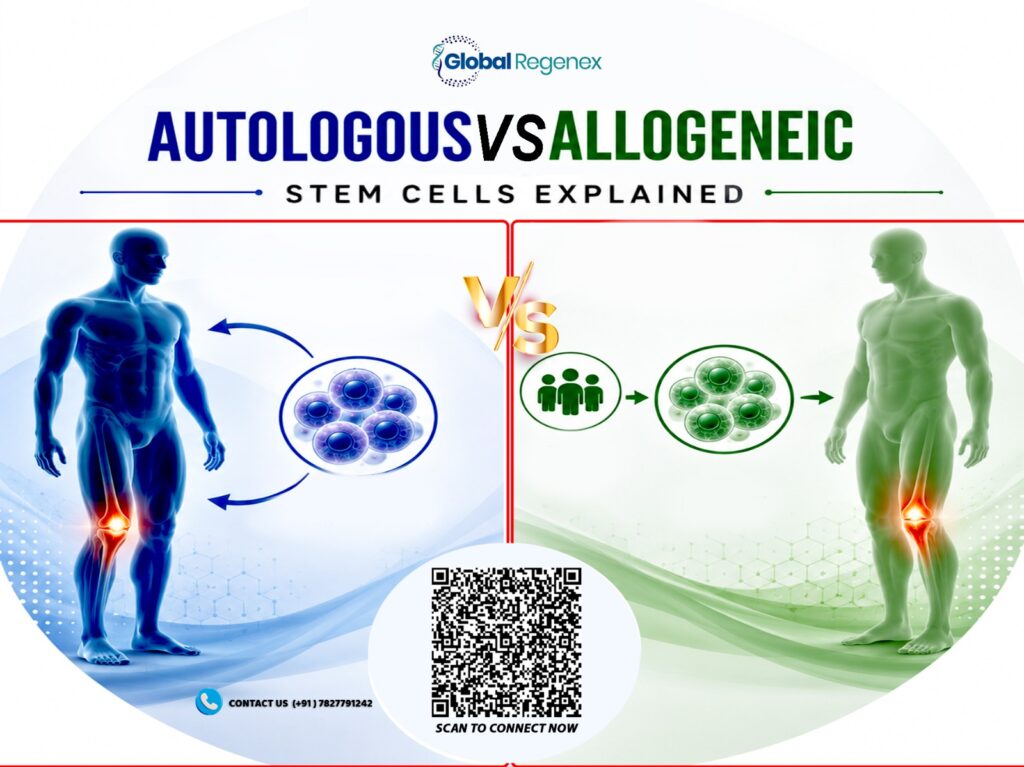
Autologous and allogenic stem cells are different primarily in how they are obtained. Autologous stem cells are collected from the patient’s own body, whereas allogenic stem cells are obtained from a suitable or matched donor. Both approaches are widely studied across regenerative medicine and clinical research. Their suitability depends on factors such as the medical condition, treatment goals, and the available scientific evidence. Understanding these differences can help patients discuss stem cell-based therapies with qualified healthcare professionals Key Takeaways Autologous stem cells are obtained from the patient’s own body. Allogeneic stem cells are collected from a suitable donor. Both approaches are being studied across different areas of regenerative medicine. The source of stem cells may influence treatment planning and research design. Healthcare professionals evaluate multiple clinical factors before considering stem cell-based approaches. Many stem cell applications continue to be investigated through ongoing scientific and clinical research. Medically Reviewed By Written By – Nishat Arfin Scientific Review By Tabish Iqbal Medically Approved By – Global Regenex Medical Team Last Reviewed: June 2026 Autologous vs Allogeneic Stem Cells Explained Stem cell research has introduced different approaches that vary in how stem cells are collected and used in clinical research and regenerative medicine. Among the most frequently used and discussed are autologous and allogenic stem cells. Although both involve stem cells, but they differ in their source, collection process, and the considerations involved in healthcare research. As regenerative medicine continues to evolve, patients are likely to come across these terminologies when researching treatment possibilities or stem cell research. It is important to understand the difference between autologous and allogeneic stem cells because it can help one understand information better and engage with health care providers knowledgeably. This blog discusses the difference between these two types of stem cells and what is known about them in terms of research and factors affecting their use in regenerative medicine research. How Are Autologous Stem Cells Obtained? Autologous stem cells are collected from the same individual who is expected to undertake the stem cell-based treatment or participate in clinical trials. As the cells originate in the patient’s own body. Researchers continue to study autologous stem cells across various areas of regenerative medicine and clinical research. As they are derived from the patient, depending on treatment protocols and the patient’s medical condition, healthcare professionals may collect stem cells from different sources, such as bone marrow, peripheral blood, and adipose tissue within the body. Also, the collection process may vary from patient to patient based on the type of stem cell being studied and used in clinical practices. Some of the common features of autologous stem cells are: Patient Source: These stem cells come from the patient undergoing the therapy. Individualized Collection Process: This process of collecting stem cells is customized based on the health of the patient and the treatment procedure. Research Application: Research is being conducted in many areas regarding the usage of these stem cells. Consideration for Clinical Use: It should be determined whether it is suitable to use these stem cells based on many considerations, such as the health of the patient and the therapeutic goal. By understanding how autologous stem cells are extracted, we can lay the groundwork for comparing them with the donor’s stem cells. How Are Allogeneic Stem Cells Obtained? Unlike autologous stem cells, allogeneic stem cells are obtained from a suitable donor rather than the individual receiving treatment. Before they are used in clinical or research settings, donor cells typically undergo screening and evaluation based on applicable medical protocols and regulatory requirements. Researchers continue to examine allogeneic stem cells across various areas of regenerative medicine, as they offer a different approach to stem cell-based research compared with patient-derived cells. Their suitability depends on the patient’s medical condition, treatment goals, and level of scientific evidence available. Some general features of allogeneic stem cells are: Source from Donor: Stem cells come from an appropriate donor, but not the individual receiving treatment. Screening of Donors: Donors are typically screened through medical procedures in order to ensure that donated stem cells are of good quality. Research Applications: Allogeneic stem cells are being researched in various fields of regenerative medicine. Clinical Considerations: Whether donor-derived stem cells will be used or not depends on factors like the state of health of the individual and other clinical considerations. It is important to understand how allogeneic stem cells are harvested in order to understand why donors are screened differently by researchers and healthcare experts. Autologous Vs Allogeneic Stem Cells: Key Differences Between Autologous and Allogeneic Stem Cells Both autologous and allogeneic stem cells hold a promising avenue in regenerative medicine and are widely studied for different medical conditions. But they differ in their source, collection process, and clinical consideration. The following table will provide a general comparison to help understand these two approaches better. Feature Autologous Stem Cells Allogeneic Stem Cells Cell Source Collect from the same individual receiving the treatment. Collected from a suitable donor. Collection Process Cells are obtained from the patient’s own body following medical evaluation Cells are collected from screened donors according to established medical protocols. Primary Use in Research Studied across various regenerative medicine and clinical research applications. Also investigated across multiple areas of regenerative medicine and healthcare research. Donor Requirement Does not require a separate donor. Requires a medically suitable donor. Clinical Consideration Suitability is dependent upon the patient’s medical condition, therapeutic aims, and clinical evaluation. Suitability is based upon the suitability of the donor, requirements of the patient, therapeutic objectives, and clinical assessment. Scientific Evidence Evidence differs based on the medical condition and method of treatment being investigated. Evidence can also vary based on the medical condition and stem cell source under investigation. Both stem cell types are still being studied in various fields of regenerative medicine. The decision regarding which approach to use, autologous stem cells or allogeneic stem cells, is determined by each case, its goals, and existing scientific facts. Is One Stem Cell Source Better
Autoimmune Diseases & Stem Cells: A New Treatment Approach

Summary: Autoimmune diseases cause chronic immune attacks on healthy tissues. Stem cell therapy and regenerative medicine are being researched for immune regulation, inflammation reduction, and tissue repair under professional medical supervision. The number of people affected by autoimmune diseases across the globe is increasing, resulting in suffering from chronic inflammatory processes and immune disorders. Although standard medical therapies might help reduce the symptoms of such diseases, some patients may continue suffering from side effects and complications associated with the treatments. It is one of the reasons for discussing the potential use of regenerative medicine and stem cell therapy. Scientists are investigating ways stem cells could be used in balancing the immune system in particular cases of autoimmune diseases. Stem cell therapy is a developing field where success can depend on an individual patient. What Are Autoimmune Diseases? An autoimmune disorder is a condition where the immune system fails to protect the body from various diseases by attacking its own healthy cells. Such disorders can cause problems like chronic inflammation, damage to organs, fatigue, and other serious health issues. Some experts suggest that genetic factors along with environmental elements, such as infectious agents, smoking, stress, etc., are responsible for causing autoimmune disorders. Some common examples of such diseases are rheumatoid arthritis, lupus, psoriasis, multiple sclerosis, Crohn’s disease, and diabetes. Millions of people across the globe suffer from some kind of autoimmune disorder. How Stem Cells May Help Autoimmune Diseases? Stem cell treatment is among the fields that have been examined as a form of regenerative medicine due to their possible application in the treatment of autoimmune conditions. The most intriguing type of stem cell under investigation includes Mesenchymal Stem Cells (MSCs) that can help in controlling abnormal immune responses and promoting tissue regeneration. Despite being still an area of ongoing research, studies show promising results so far. Immune modulation: The stem cells might also be able to modulate the immune response in the body via interactions with other immune cells such as T-cells, B-cells, and natural killer cells. Inflammation reduction: The stem cells might be involved in the reduction of the secretion of inflammatory cytokines that cause inflammation and auto-immune reactions. Tissue regeneration and repair: Some scientists are looking at the possibility of the stem cells being used to help repair the affected tissues including joints, nerve tissue, skin tissue, and intestinal tissue. Immune system reset: In some advanced treatments using stem cells, there is an effort to rebuild the immune system through this method. Cytokine regulation: The mesenchymal stem cells could be helpful in creating an anti-inflammatory cytokine environment that will improve the immune response in some patients. Types of Stem Cell Therapy Used in Autoimmune Conditions In relation to stem cell transplant in the treatment of auto-immune disorders, these can be broadly categorized into two types: autologous and allogeneic transplants. The former is under consideration in regenerative medicine for treating certain individuals suffering from chronic and hard-to-treat auto-immune disorders. Autologous Stem Cell Transplant The autologous transplant involves the use of stem cells derived from the patient itself through bone marrow extraction or blood transfusion prior to the treatment. The process involves suppressing the immune system followed by the introduction of stem cells. Lower chances of immune rejection Can aid in resetting abnormal immune reactions Mostly tested on cases of serious autoimmune disorders Recovery takes several weeks to months based on health conditions Allogeneic Stem Cell Transplant This type of transplantation involves the use of stem cells from a compatible donor. The goal here is to substitute malfunctioning immune cells with healthier ones. Strong immune system replacement can be achieved Graft-versus-host reactions and increased susceptibility to infections possible Recovery may be lengthy and requires careful monitoring Compatibility and extent of disease determine its applicability Potential Benefits of Stem Cell Therapy for Autoimmune Diseases The evolution of regenerative medicine techniques has sparked further interest into using stem cells to assist in the treatment of autoimmune disorders. The research regarding the use of stem cells in modulating the body’s immune system and promoting regeneration is still ongoing. Symptom Relief: Helps in reducing chronic pain and fatigue associated with autoimmune diseases. Increased Movement Ability: Some patients may experience enhanced physical capabilities and flexibility. Less Inflammation: Possible positive influence on the body’s immune responses and decreased inflammation. Enhanced Quality of Life: Can improve the overall quality of life of the patients. Decreased Drug Dependence: Certain patients may not need many medications as before. As Has Been Demonstrated, As more studies have been done on regenerative medicine, stem cell therapy is becoming increasingly popular because of its use in dealing with autoimmune conditions. It can help restore immune balance and reduce inflammation in the body, but since it is still a relatively new technique, results may differ from patient to patient. Questions That Are Frequently Asked Q1. Is stem cell therapy approved for all types of autoimmune diseases? Ans: Currently, not all autoimmune diseases can benefit from stem cell therapies since the field is relatively new. Q2. Are there any risks involved with stem cell therapy? Ans: Risks may be linked to infections, allergic reactions, side effects, and varying outcomes based on the recipient’s overall health condition. Q3. Which people need to consider stem cell therapy as a treatment option? Ans: People dealing with autoimmune diseases in which conventional methods are inefficient should talk to medical and transplantation specialists about this therapy. Q4. What autoimmune diseases are under study with stem cell therapy? Ans: Multiple sclerosis, lupus, rheumatoid arthritis, Crohn’s disease, psoriasis, and type 1 diabetes are among autoimmune diseases that scientists focus on. Q5. How can chronic inflammation affect your health? Ans: Inflammation can cause organ, joint, nerve, or tissue damage, resulting in such symptoms as fatigue, discomfort, decreased mobility, etc. References NIH Stem Cell Information – Explains stem cells, research applications, and regenerative medicine basics. NIH Stem Cell Information MedlinePlus Autoimmune Diseases – Overview of autoimmune diseases, symptoms, causes, and immune dysfunction. MedlinePlus Autoimmune Diseases NIEHS Autoimmune Diseases – Discusses immune system
Latest Advances in Regenerative Medicine for Chronic Back Pain
Summary: Learn why regenerative medicine is being explored in research for chronic back pain, how far research has come, what the latest advancements are, and how one can be eligible for the treatment. Chronic back pain doesn’t have one clear reason. Many people can suffer from chronic back pain for different reasons—whether it is due to injury, posture-related strain, degenerative changes, or more. Over time, it can start to influence your daily movement and work life and even makes hard to sleep. For many years, the standard treatment method has revolved around pain management and functional improvement by means of physiotherapy, medicines, and even surgeries when necessary. Although all these methods prove effective for many patients, some still investigate new directions such as the regenerative medicine treatment. As a result, an increasing number of people became interested in exploring how the body’s natural repair mechanisms are studied in research. However, it is also necessary to differentiate between already investigated options and the remaining under research. Understanding Regenerative Medicine and Its Applications For patients considering regenerative medicine for back pain, it becomes important to understand how the treatment works before undergoing the procedure. As the idea of regenerative medicine is strongly based on—whether the body can be helped to repair itself rather than just managing the symptoms. Regarding chronic back pain, this involves investigating the ways that biology affects the reaction to tissue in the back. Rather than addressing the symptom of pain management, the focus is placed on exploring the way the underlying structures, like discs, ligaments, and surrounding tissues, respond over time. This is one of several techniques under investigation, each at different levels of development, none of which has been established as accepted practice. The Role of Stem Cells in Back Pain Treatment The reason why researchers are increasingly studying stem cells for back pain comes from how they may interact with inflammation and tissue response. Instead of concentrating on repairing the damaged parts of the spine, present-day stem cell therapy is more concerned with figuring out whether stem cells have an impact on the environment surrounding injured tissue. These aspects include their involvement in: sending biological signals that may influence healing processes participating in inflammation influencing the reaction of tissues in the long term Currently, results have been inconsistent. Some studies have shown promise for certain applications, whereas others have found little efficacy. Inconsistency is one of the factors contributing to the continued research in this field. PRP Therapy in Chronic Back Pain: What Research Is Exploring Another part of regenerative medicine is platelet-rich plasma (PRP) therapy, being explored by researchers and practiced in strict clinical settings. PRP therapy includes the use of substances extracted from the patient’s blood that contain growth factors. They are currently being investigated to establish their ability to help heal various musculoskeletal disorders, such as back pain. Some areas where PRP is currently under investigation include: injuries to soft tissues problems related to ligaments beginning degeneration Although some patients claim to have seen some positive results, the effects are not the same for everyone. Tissue Engineering and Its Impact on Spinal Treatment As research continues to grow. The focus has shifted beyond just cells to also include their surrounding environment Tissue engineering deals with how supporting structures, known as scaffolds, can be combined with biological strategies. These supporting structures serve to aid the functioning of the cells and hold them in place. In the context of spinal studies, the following may be investigated: aiding injured disc structures promoting tissue stability increasing biological interactions in the spine As noted above, it is an emerging concept that focuses on biological engineering. The Future of Gene Therapy in Regenerative Medicine Another area in regenerative medicine that is actively being researched is gene therapy. This therapy involves examining whether a patient’s specific gene can help influence how tissue responds to damage or degeneration. To shine a light on back pain research, the focus is on understanding if these changes can affect inflammation or tissue repair at a deeper level. Although it remains in its infancy, this marks a departure towards a more focused approach. Most developments in this area are still in the research stage. Need Expert Advice: Global Regenex When considering regenerative medicine treatments for chronic back pain, it is very common to receive misleading information because such treatment techniques have been developed recently and require further investigation. In order to understand all the types of their application to your individual case, it is necessary to consider this issue carefully. Consulting with the team at Global Regenex can help you understand what is relevant based on your condition and current research. This will allow you to be confident in your decision-making process. The Concluding Thoughts Chronic back pain often needs a steady, long-term approach to manage rather than one quick solution. While traditional treatment helped manage the symptoms for years—regenerative medicine is now being explored as a developing area of research, but still remains an evolving area rather than evidence-based care. Being aware of the possibilities as well as the limitations will help in making wise decisions. With proper guidance, individuals can proceed to evaluate promising innovations alongside effective treatments. Frequently Asked Questions Q1. Why Does Chronic Back Pain Not Improve Easily In Some Cases? It is because chronic back pain is often caused by various issues, like disc degeneration, muscle problems, and inflammation. Due to this, the recovery becomes slow and may require a combination of therapies. Q2. Why Is Regenerative Medicine Different from Conventional Therapies? Regenerative medicine concentrates on the way the body reacts to the process from a biological perspective, but it is still being investigated and not applied regularly. Q3. Is PRP Therapy Commonly Used For Chronic Back Pain? PRP injections are currently being researched for several musculoskeletal conditions, among which is back pain. However, the effectiveness of this method varies significantly. Q4. Can These Approaches Help Avoid Surgery Completely? Not yet. Standard treatments, including medication, physiotherapy, and in some
Is Stem Cell Therapy Safe? Risks & Benefits Explained
Summary: Understand how stem cell therapy is being studied, what potential benefits and risks are known, and why it remains investigational rather than part of routine treatment. In most cases, when people first hear about stem cell therapy, the first thing that comes to their mind is that—whether this treatment is safe for clinical use. Just as with every new treatment, stem cell therapy is also present as an area of ongoing research in medical science, but the reality is more significant than people often see. Currently, there are several research studies being conducted in regenerative medicine and some other related areas, which have led to encouraging results in some cases. However, at the same time, not every outcome has been clearly established yet. This can unintentionally create expectations, even when evidence is still growing. As a result, this makes it important for people to understand both potential benefits and risks before considering undergoing stem cell therapy in India. Overview of Stem Cell Therapy Stem cells are regarded as unique cells because they are capable of developing into other cells of the body. Since these cells do not serve a specific function, they are being studied for their potential role in repairing and regenerating damaged cells or tissues. In simple terms, stem cell research is not based on instant healing. The goal is to investigate whether or not these cells can affect inflammation or tissue reaction. There are many different types of cells that can be considered when dealing with certain issues. Nonetheless, there is no one-size-fits-all method for every disease. Current Legal Regulations and Guidelines For the patient, before undertaking any new or investigational treatment, one of the most important things to understand is where this therapy stands legally and how much it has evolved to become legally safe. Stem cell therapy, except for the use of hematopoietic stem cell transplant, is not approved as a treatment method in India. It is regarded as experimental and can be performed only through clinical trials. This implies that: It should not be used as a regular treatment It must comply with stringent research procedures Ethical considerations are strictly observed Knowledge about the treatment prevents any misconceptions or misunderstandings. Common Myths About Stem Cell Therapy As the research in regenerative medicine, particularly in stem cell therapy, has progressed, it has gained attention as an area of research. However, before considering stem cell therapy, it’s important for patients to differentiate between what is information based on evidence and just a myth. There’s a lot of information circulating, and not all of it is accurate. Myth: Stem cell therapy as a Cure It is very unlikely for a reputable specialist to claim stem cell therapy as a cure. It may help in some cases and under some conditions, but a cure is too much–and setting such expectations means setting yourself up for disappointment. Myth: It can only be used in extremely serious cases This myth scares many patients from asking even one question. The areas researched by specialists range from joint degeneration to neurological disorders and immune system dysfunction–most of which are not necessarily threatening a patient’s life but are still in the investigational phase. Myth: Quick results will be visible When it comes to improvement, patient tend to improve from their condition gradually—over weeks and months rather than in days. A patient who expects results quicker often thinks the treatment does not work while the process is still underway. Myth: The whole industry is unregulated There have been concerns about unregulated practices in some settings, but there are research labs that overpromise and under-deliver. However, reputable institutes function within specific ethical and regulatory guidelines. This is an appeal for selecting wisely, not an excuse to shy away from the discussion entirely. Understanding these myths is important for making informed decisions. Future Prospects and Innovations in Stem Cell Therapy Research in the field of regeneration is gradually advancing, and monitoring the ongoing progress is essential to make informed decisions in the future. Researchers are focusing on: understanding inconsistencies in results identifying which patients may benefit more refining how cells are delivered combining therapies for better results While there is potential in the area, it is being handled cautiously. Future developments will be based on research and results. For Expert Consultation If you are thinking about stem cell treatment or want to know if it is an option for your condition, it would be best to stop, take a breath, and consult with an expert before proceeding. There are so many things out there that might not be relevant at all to your situation or even factual. Consulting with experts at Global Regenex can help you understand what is relevant based on current research and your individual condition To Bring It All Together Stem cell therapy is one of the most actively researched fields within the science of regenerative medicine. Although there have been positive results from the therapy, it is currently not part of the standard due to a lack of enough evidence. In addition to being aware of the advantages and disadvantages of stem cell therapy, your decisions can only get better when you consider both aspects, and staying guided by evidence and proper medical advice is the most practical way forward. Frequently Asked Questions Q1. Is Stem Cell Therapy Safe? It is dependent upon its application and implementation, as many applications have not been explored thoroughly yet. It should be considered in clinical environments only. Q2. What Are The Potential Risks of Stem Cell Therapy? Possible risks may include infections, variations in results obtained from therapy, and lack of information on their side effects in the long term. Q3. Are There Any Proven Benefits Yet? Some studies have explored potential outcomes, but results remain inconsistent regarding stem cell therapy. However, they can be considered beneficial only after further investigation. Q4. Why Is It Still Described As Investigational? As more evidence becomes available. Scientists continue to study its efficacy and safety, and