
What Should Patients Know About Stem Cell Therapy Safety?
Stem cell therapy continues to be a widely researched field across different areas of regenerative medicine. While some stem cell-based approaches are still being investigated in clinical and research settings, safety considerations may vary depending on several factors such as the types of stem cells used, the medical condition, treatment protocols, and patient condition. Understanding both potential risks and possible benefits can help patients understand and make informed healthcare decisions. Key Takeaways Stem cell therapy remains an active area of scientific and clinical research. Safety considerations may vary depending on the treatment approach and individual patient factors. Researchers continue to study the potential risks and benefits associated with stem cell-based therapies. Patients should carefully evaluate available scientific evidence before making healthcare decisions. Consultation with qualified healthcare professionals is important when exploring regenerative medicine options. Ongoing research continues to improve the understanding of stem cell safety and clinical applications. Medically Reviewed By Written By – Nishat Arfin Scientific Review By Tabish Iqbal Medically Approved By – Global Regenex Medical Team Last Reviewed: June 2026 Is Stem Cell Therapy Safe? Understanding Risks and Benefits Among the most common concerns raised by patients who start researching stem cell therapy is to know if this approach is safe. As interest in regenerative medicine continues to evolve, many patients seek reliable information about potential risks, possible benefits, and the scientific evidence currently available rather than relying on false claims. The safety of stem cell therapy depends on several factors, including the type of stem cells used, the medical condition being addressed, the treatment protocol, and individual patient characteristics. Some stem cell technologies have already been examined in the clinical and scientific fields, while others are still being investigated. Being aware of the possible advantages and disadvantages of stem cell therapy is an essential aspect of the decision-making process in terms of healthcare. This blog discusses existing scientific knowledge, aspects of safety, and things to consider before using stem cell technology. What Is Stem Cell Therapy? Stem cell therapy is one of the widely studied branches of regenerative medicine that involves exploring and using stem cells in healthcare research. Stem cell therapy refers to approaches that involve the study and use of stem cells within regenerative medicine. Researchers investigate these cells because of their unique biological characteristics and their role in understanding tissue biology and cellular function. Further study of methods based on the use of stem cells is ongoing to gain more knowledge of cellular functioning and biological mechanisms related to health and illnesses. Scientific research in the realm of stem cells includes experiments performed in laboratories and clinics, as well as increasing knowledge of this issue. Stem cell therapy is still under scientific consideration in many branches of medicine. What Types of Stem Cells Are Commonly Studied? Stem cell researchers work with various categories of stem cells within regenerative medicine studies. Each category features particular biological attributes and is investigated for its unique scientific significance. Mesenchymal Stem Cells (MSCs): Among the most often researched stem cells in the field of regenerative medicine, there are mesenchymal stem cells. Researchers explore their biological properties and functions in healthcare studies. Hematopoietic Stem Cells: Hematopoietic stem cells are responsible for the formation of blood cells and are widely researched both in the laboratory and clinical settings. Induced Pluripotent Stem Cells (iPSCs): Induced pluripotent stem cells are produced from adult cells by transforming them into stem cells. These are used for studying diseases, cell behavior, and regenerative medicine. Other Stem Cell Types: There are other fields of stem cell study that researchers explore in order to learn more about cellular biology and regenerative processes. Understanding different types of stem cells helps better comprehend safety issues and ongoing research. Why Is Stem Cell Therapy Safety Important? As regenerative medicine continues to move forward, safety remains the most important consideration for patients discussing stem cell therapy. Before considering stem cell therapy, patients often seek information about how stem cell-based approaches are evaluated and what factors may influence their safety. Safety of stem cell treatments does not depend on one particular factor. Scientists focus on possible impacts of different types of stem cells, treatment methods, the medical environment, and individual patient characteristics, which may influence outcomes and safety considerations. Since regenerative medicine consists of various methods, assessing their safety can be challenging for scientists. Scientific investigation of safety is conducted through laboratory study, clinical trials, patient observation, and post-study investigations. This allows scientists to learn more about the possible risks and those aspects that need to be studied further. With the development of stem cell science, safety issues will always remain important when making medical decisions. Patients are advised to consult qualified health care specialists regarding existing information on the risks and possible applications of stem cell therapy. What Potential Benefits Are Researchers Studying? For years, stem cell therapy has continued to attract scientific interest because of its potential applications for a wide range of areas in regenerative medicine. While research is ongoing, some applications require further investigation, and others are currently being explored. Advancing Scientific Understanding Stem cell studies have helped researchers understand how cells function, interact, and respond within different biological environments. Such findings continue to support a variety of fields in regenerative medicine Improving Understanding of Medical Conditions Scientists conduct studies using stem cells in order to investigate the development and progression of certain diseases. Such findings could be helpful in furthering our understanding of medical conditions. Supporting Personalized Medicine Research Stem cell research has been known to encourage attention towards understanding the role of biological variation in relation to healthcare practices. This remains an important area of ongoing scientific investigation. Expanding Knowledge of Human Biology Stem cells are widely utilized in laboratory and clinical studies in order to assess various biological reactions and ensure safety for future healthcare interventions. Expanding Knowledge of Tissue Function and Repair Scientist currently exploring how stem cells interact with tissue and biological systems. These studies have helped in growing the understanding of
What Is Stem Cell Therapy FDA Approval?
Currently, the U.S. Food and Drug Administration (FDA) has approved some stem cell-based products for specific medical conditions, especially those involving blood and immune system disorders. However, many stem cell-based therapies promoted for orthopedic, neurological, autoimmune, and other conditions remain under investigation and have not yet received FDA approval for clinical use. It is important to understand the difference between approved and investigational stem cell applications before making an informed healthcare decision. Key Takeaways The FDA has approved certain stem cell-based products for specific medical conditions. Many stem cell therapies offered for other conditions remain under clinical investigation. FDA approval depends on scientific evidence demonstrating safety, quality, and effectiveness. Patients should understand whether a treatment is FDA-approved or investigational before making healthcare decisions. Discussing treatment options with qualified healthcare professionals can help patients better understand available evidence. Reliable medical information and regulatory guidance play an important role when exploring regenerative medicine. Medically Reviewed By Written By – Nishat Arfin Scientific Review By Tabish Iqbal Medically Approved By – Global Regenex Medical Team Last Reviewed: June 2026 Is Stem Cell Therapy FDA Approved? In recent years, stem cell therapy has gained significant attention as regenerative medicine continues to move forward. As more and more people start to seek stem cell-based approaches for different medical conditions—one of the most common questions remains whether these treatments have received approval from the U.S. Food and Drug Administration (FDA). The answer depends on the type of stem cell therapy and the medical condition being considered. Although some stem cell-based products have been approved by the FDA for certain medical purposes, other stem cell treatments are still being studied through clinical research. This information is essential to understand that FDA approval is granted after extensive laboratory research, clinical trials, and regulatory review demonstrate that a product meets established standards for safety, quality, and effectiveness. This blog will cover what FDA approval is, which stem cell treatments are approved at present, and what patients need to know about regenerative medicine. What Does FDA Approval Mean for Stem Cell Therapy? More often, when a patient hears about a new treatment coming into clinical practice. The first thought that comes to mind is whether this approach is FDA approved, which generally means that the U.S. Food and Drug Administration has reviewed scientific evidence to determine whether this product meets the specific standard of safety, quality, and effectiveness for particular medical practices. The FDA approval is only granted after extensive laboratory research, clinical studies, and regulatory evaluations. For stem cell therapy, the FDA has approved specific stem cell-based products and medical indications, rather than every type of stem cell treatment or every condition. This is an important factor because a treatment approved for one disease does not necessarily mean approved for another. Key aspects to understand include the following: Scientific Evidence The FDA approves treatments that have proven to be effective as a result of scientific studies conducted in laboratories and during clinical trials. Approval Is Condition-Specific A stem cell product may receive approval for treating one disease but will be considered investigational in relation to another disease or injury. Approval is related to the specific purpose of a stem cell product, not to the stem cell product itself. Quality and Manufacturing Standards The requirements regarding quality, safety, and manufacturing of stem cell-based products must be met before approval. Continuous Monitoring Regulatory agencies continue monitoring the safety of the product after its approval through post-marketing surveillance and more scientific evidence. It is important for patients to know the meaning of FDA approval to differentiate between treatments that have obtained regulatory approval and those that are still in development. Which Stem Cell Therapies Are Currently FDA Approved? The U.S. Food and Drug Administration has the authority to regulate any regenerative medicine, such as stem cell therapy and exosome therapy. However, in recent times, there have been a lot of misconceptions on the internet about stem cell therapy, such as that all applications of stem cell therapy have been approved by the FDA. In reality, the FDA has approved only certain stem cell-based products for specific medical conditions. Most of them are related to disorders affecting the blood and immune system, while many other applications remain under strict clinical investigation. Some examples include: Hematopoietic Stem Cell (HSC) Transplant Hematopoietic stem cell (HSC) transplant is one of the well-established stem cell therapy applications. HSCs can be utilized in the therapy of various kinds of blood cancer, blood disease, and immune system disorders, depending on the patient’s diagnosis. Hematopoietic stem cells can be harvested from bone marrow, peripheral blood, or umbilical cord blood. FDA-Approved Umbilical Cord Blood Products Several umbilical cord blood products approved by the FDA are available for use in patients suffering from disorders that affect their blood and immune system formation. The approval process for those products involves rigorous evaluation according to the established regulations. Condition-Specific Approvals The FDA approval refers only to particular medical conditions that have been tested when evaluating the safety and efficacy of the stem cell-based product. Approval for one disease does not automatically approve the same treatment for another disease or injury. Many Applications Remain Investigational Misconceptions such as stem cell therapies promoted for orthopedic conditions, neurological disorders, autoimmune diseases, and many others are still being investigated through clinical research. Their safety and effectiveness continue to be evaluated, and several applications have not received FDA approval for these specific uses. Knowing which therapies are FDA-approved and which are investigational can help people better understand information about possible treatments and discuss them with medical professionals. How Can Patients Tell if a Stem Cell Therapy Is FDA Approved? As interest in stem cell therapy has grown, sometimes patients may come across clinics that offer unapproved treatments for a wide range of medical conditions. Although not every stem cell-based treatment has received FDA approval. Understanding how to verify the regulatory status of a stem cell therapy can help patients make more informed healthcare decisions. When considering a stem
How Does Stem Cell Therapy Compare with Traditional Treatment Approaches?
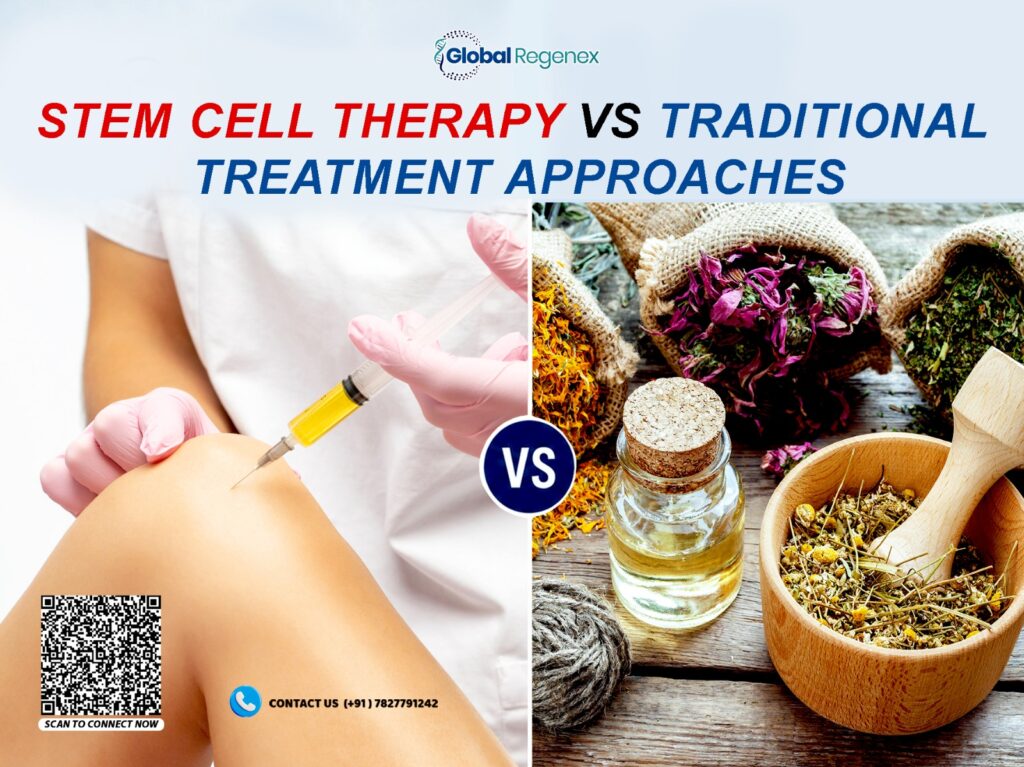
In simple terms, stem cell therapy and traditional treatment approaches can be different in their objective, approach, and the level of evidence supporting their use. Although traditional medical approaches are widely supported by long-term evidence and used to diagnose, manage, and treat many health conditions based on established clinical guidelines. On the other hand, stem cell therapy is still being studied in regenerative medicine, with some applications still undergoing scientific and clinical evaluation. Understanding these differences may help patients have an informed discussion with a qualified healthcare professional before considering available healthcare options. Key Takeaways Stem cell therapy and traditional treatment approaches differ in their goals, methods, and current clinical use. Many traditional treatments are supported by established clinical guidelines for specific health conditions. Stem cell therapy continues to be investigated across multiple areas of regenerative medicine research. The level of scientific evidence varies depending on the treatment approach and the condition being studied. Treatment decisions should be based on individual health needs, available evidence, and professional medical advice. Patients are encouraged to discuss potential benefits, risks, and available options with qualified healthcare professionals. Medically Reviewed By Written By – Nishat Arfin Scientific Review By Tabish Iqbal Medically Approved By – Global Regenex Medical Team Last Reviewed: June 2026 Stem Cell Therapy vs Traditional Treatment Approaches The healthcare system, nowadays, offers a variety of treatment options, each medical growth to address different medical conditions and patient circumstances. Alongside well-established traditional medical treatments, regenerative medicine has come forward as a growing field attracting scientific interest across the world, leading many patients to seek information about approaches such as stem cell therapy and how it compares with conventional approaches. Despite both approaches aiming to support patient care, they vary greatly in the way that they are researched, used, and evaluated. Traditional medical treatments may depend largely on proven techniques and long-established evidence for particular diseases, while most stem cell therapy procedures are still being investigated in the process of scientific and clinical research. This blog compares stem cell therapy with traditional treatment approaches, describes differences between them, analyzes the current scientific evidence, and presents the main aspects that patients need to consider. What Is Stem Cell Therapy? One of the most actively researched areas of regenerative medicine is stem cell therapy, which involves the study and use of stem cells in healthcare and scientific research. Stem cells are small and unique cell types—as they can develop into different cell types under specific biological conditions, making them an important focus of regenerative medicine. While medical understanding continues to advance, stem cell-based approaches have been studied for different areas of healthcare. Researchers continue to examine stem cells’ potential applications, safety, and long-term outcomes through laboratory investigation and clinical studies. Some stem cell-based applications have established clinical uses for specific medical conditions, while many others continue to be investigated. It is necessary to be aware of existing scientific evidence because it helps to compare stem cell therapies with traditional approaches to treatment. What Are Traditional Treatment Approaches? Traditional treatment approaches, on the other hand, often refer to well-established medical approaches that are supported by long-term evidence and used to prevent, diagnose, manage, or treat health conditions. Depending on the patient’s diagnosis and needs, these approaches may include medication, surgery, physical rehabilitation, lifestyle modification, or be suggested by a qualified healthcare professional. While many of the treatments are backed by clinical guidelines that have been created after years of research and experience in practice, the best treatment option changes from one condition and the level of the disease to another, based on the health condition of the patient and their treatment objectives. In the process of the evolution of medicine, traditional treatment approaches continue to play an important role in healthcare, while regenerative medicine continues to evolve through scientific research. Key Differences Between Stem Cell Therapy and Traditional Treatment Approaches Feature Stem Cell Therapy Traditional Treatment Approaches Primary Focus Studied within regenerative medicine to better understand cell function and tissue repair. Focuses on preventing, diagnosing, managing, or treating medical conditions using well-established clinical approaches. Scientific Evidence Evidence varies depending on the condition and treatment approaches. Several approaches continue to be investigated. Many approaches are supported by clinical guidelines and long-term evidence for specific conditions. Current Clinical Use Some stem cell-based treatments have established clinical uses, while many regenerative applications remain under investigation. It is widely used across healthcare settings for a variety of conditions. Treatment Planning It often depends on individual eligibility, the condition being addressed, and evidence available. It is based on diagnosis, clinical guidelines, medical history, and treatment goals. Healthcare Settings It may be offered in specialized clinical and research settings, depending on the treatment. It is commonly available in hospitals, clinics, and healthcare facilities. Patient Consideration The patient should discuss current evidence, potential benefits, risks, and suitability with a qualified professional. Patients should review expected outcomes, possible risks, side effects, and available alternatives with their healthcare providers. How Do Healthcare Professionals Determine the Most Appropriate Treatment Approach? Suggesting the appropriate treatment to a patient is a personalized process that depends on several medical and individual factors. Instead of relying on a single approach for every patient, healthcare professionals evaluate each patient’s condition, medical history, treatment goals, and the available scientific evidence before making any recommendations. Some of the elements that can come into consideration include: Medical Condition: Diagnosis, severity of the condition, and general state of health of a person can affect the suitability of various treatment options. Available Scientific Evidence: The existing literature in healthcare, treatment guidelines, and scientific findings regarding the condition of a particular patient will be taken into account. Benefits and Limitations: Each treatment option has benefits, limits, and potential risks that need to be considered prior to making a decision. Patient Preferences: Patients’ own preferences and goals for treatment can be another significant element to take into account when selecting a suitable treatment plan. Clinical Evaluation: A comprehensive evaluation of the condition of a person can
What Is the Difference Between Autologous and Allogeneic Stem Cells?
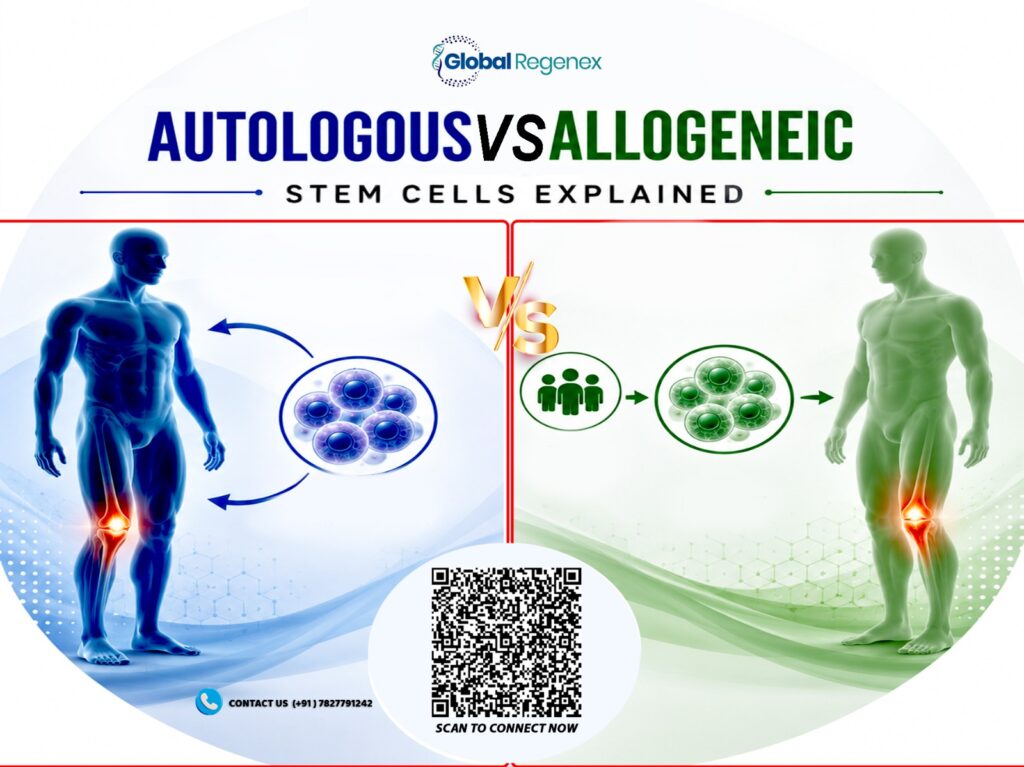
Autologous and allogenic stem cells are different primarily in how they are obtained. Autologous stem cells are collected from the patient’s own body, whereas allogenic stem cells are obtained from a suitable or matched donor. Both approaches are widely studied across regenerative medicine and clinical research. Their suitability depends on factors such as the medical condition, treatment goals, and the available scientific evidence. Understanding these differences can help patients discuss stem cell-based therapies with qualified healthcare professionals Key Takeaways Autologous stem cells are obtained from the patient’s own body. Allogeneic stem cells are collected from a suitable donor. Both approaches are being studied across different areas of regenerative medicine. The source of stem cells may influence treatment planning and research design. Healthcare professionals evaluate multiple clinical factors before considering stem cell-based approaches. Many stem cell applications continue to be investigated through ongoing scientific and clinical research. Medically Reviewed By Written By – Nishat Arfin Scientific Review By Tabish Iqbal Medically Approved By – Global Regenex Medical Team Last Reviewed: June 2026 Autologous vs Allogeneic Stem Cells Explained Stem cell research has introduced different approaches that vary in how stem cells are collected and used in clinical research and regenerative medicine. Among the most frequently used and discussed are autologous and allogenic stem cells. Although both involve stem cells, but they differ in their source, collection process, and the considerations involved in healthcare research. As regenerative medicine continues to evolve, patients are likely to come across these terminologies when researching treatment possibilities or stem cell research. It is important to understand the difference between autologous and allogeneic stem cells because it can help one understand information better and engage with health care providers knowledgeably. This blog discusses the difference between these two types of stem cells and what is known about them in terms of research and factors affecting their use in regenerative medicine research. How Are Autologous Stem Cells Obtained? Autologous stem cells are collected from the same individual who is expected to undertake the stem cell-based treatment or participate in clinical trials. As the cells originate in the patient’s own body. Researchers continue to study autologous stem cells across various areas of regenerative medicine and clinical research. As they are derived from the patient, depending on treatment protocols and the patient’s medical condition, healthcare professionals may collect stem cells from different sources, such as bone marrow, peripheral blood, and adipose tissue within the body. Also, the collection process may vary from patient to patient based on the type of stem cell being studied and used in clinical practices. Some of the common features of autologous stem cells are: Patient Source: These stem cells come from the patient undergoing the therapy. Individualized Collection Process: This process of collecting stem cells is customized based on the health of the patient and the treatment procedure. Research Application: Research is being conducted in many areas regarding the usage of these stem cells. Consideration for Clinical Use: It should be determined whether it is suitable to use these stem cells based on many considerations, such as the health of the patient and the therapeutic goal. By understanding how autologous stem cells are extracted, we can lay the groundwork for comparing them with the donor’s stem cells. How Are Allogeneic Stem Cells Obtained? Unlike autologous stem cells, allogeneic stem cells are obtained from a suitable donor rather than the individual receiving treatment. Before they are used in clinical or research settings, donor cells typically undergo screening and evaluation based on applicable medical protocols and regulatory requirements. Researchers continue to examine allogeneic stem cells across various areas of regenerative medicine, as they offer a different approach to stem cell-based research compared with patient-derived cells. Their suitability depends on the patient’s medical condition, treatment goals, and level of scientific evidence available. Some general features of allogeneic stem cells are: Source from Donor: Stem cells come from an appropriate donor, but not the individual receiving treatment. Screening of Donors: Donors are typically screened through medical procedures in order to ensure that donated stem cells are of good quality. Research Applications: Allogeneic stem cells are being researched in various fields of regenerative medicine. Clinical Considerations: Whether donor-derived stem cells will be used or not depends on factors like the state of health of the individual and other clinical considerations. It is important to understand how allogeneic stem cells are harvested in order to understand why donors are screened differently by researchers and healthcare experts. Autologous Vs Allogeneic Stem Cells: Key Differences Between Autologous and Allogeneic Stem Cells Both autologous and allogeneic stem cells hold a promising avenue in regenerative medicine and are widely studied for different medical conditions. But they differ in their source, collection process, and clinical consideration. The following table will provide a general comparison to help understand these two approaches better. Feature Autologous Stem Cells Allogeneic Stem Cells Cell Source Collect from the same individual receiving the treatment. Collected from a suitable donor. Collection Process Cells are obtained from the patient’s own body following medical evaluation Cells are collected from screened donors according to established medical protocols. Primary Use in Research Studied across various regenerative medicine and clinical research applications. Also investigated across multiple areas of regenerative medicine and healthcare research. Donor Requirement Does not require a separate donor. Requires a medically suitable donor. Clinical Consideration Suitability is dependent upon the patient’s medical condition, therapeutic aims, and clinical evaluation. Suitability is based upon the suitability of the donor, requirements of the patient, therapeutic objectives, and clinical assessment. Scientific Evidence Evidence differs based on the medical condition and method of treatment being investigated. Evidence can also vary based on the medical condition and stem cell source under investigation. Both stem cell types are still being studied in various fields of regenerative medicine. The decision regarding which approach to use, autologous stem cells or allogeneic stem cells, is determined by each case, its goals, and existing scientific facts. Is One Stem Cell Source Better
What Are Mesenchymal Stem Cells (MSCs) & Why Are They Popular?
Summary: Mesenchymal Stem Cells (MSCs) are widely researched for tissue repair, immune modulation, and regenerative medicine applications. Ongoing studies continue evaluating their safety, effectiveness, and therapeutic potential across multiple medical conditions worldwide. The field of contemporary regenerative medicine has opened up many doctors into scientific inquiry on the body’s capacity to heal itself. Scientists have become quite interested in stem cells because of the potential that they possess in assisting in the recovery of tissues and reduction of inflammation within the body. Among the various kinds being studied, some adult stem cells are extensively researched in relation to orthopaedics. Autoimmune diseases, and degenerative conditions. They keep investigating them based on their safety, efficacy, and other long-term effects on patients. Research is still going on, and all stem cell treatments have not been approved by the FDA yet. Brief Explanation of Mesenchymal Stem Cells Mesenchymal Stem Cells (MSCs) are adult stem cells that typically arise from bone marrow, adipose tissues, and umbilical cord tissues. These stem cells are widely researched by scientists for their remarkable biological characteristics. The self-renewing capacity is a major characteristic of MSCs. In simple terms, MSCs have the ability to grow and renew their cells indefinitely. The cells can also undergo differentiation, making them change into specialized cells such as none, cartilage, and adipose cells. Other notable characteristics of MSCs include their immunomodulatory effects. Although this theory is still under research. Not all stem cell treatments have been approved by the FDA. How Do They Work In the Body? Mesenchymal stem cells (MSCs) have been extensively studied for regenerative therapies based on how they can interact with the body’s self-repair and immune response system. Rather than replacing damaged cells, mesenchymal stem cells rely primarily on biological signaling and communication to influence the healing process. Repair Tissue Signaling: The cells produce signaling substances that may be able to trigger the body’s natural self-healing mechanisms in the case of injury or inflammation. Anti-Inflammation: Studies show that mesenchymal stem cells may have the ability to reduce inflammation in particular tissues by modulating the behaviour of immune cells. Cell-to-Cell Signaling: Mesenchymal stem cells communicate with other cells using chemical signaling.: Immunomodulation: These cells may have immunomodulating abilities which means they might be able to regulate the body’s immune response in a certain situation. Produce Growth Factors: Mesenchymal stem cells secrete growth factors that may affect tissue repair, vascularization, and cellular processes. Why Are Mesenchymal Stem Cells So Popular? Mesenchymal stem cells have emerged as one of the most extensively investigated topics in the field of regenerative medicine and cellular therapy. The rising popularity of mesenchymal stem cells is associated with the increase in scientific investigations, clinical studies, and the interest shown by the general public in medical science. Guidance and research regarding the safety of stem cell therapies continues to be provided by many organizations. Here why they are so popular nowadays: Minimal Invasiveness Mesenchymal stem cells can be harvested through minimally invasive techniques from the bone marrow, fat tissues, or umbilical cord tissue. They provide more flexibility as compared to other cell types for use in scientific research and investigations. Highly Motivated Research Interest Over thousands of peer-reviewed journal articles focusing on MSCs have been published on PubMed. The researchers remain highly interested in their behaviour, safety, and medical application potential. Promising Potential in Regenerative Medical MSCS have been studied for various regenerative capabilities related to tissue regeneration, inflammation reduction, and immune modulation. The field of regenerative medicine is experiencing significant interest in the last decade,boosting investments in research. Less Ethical Problems Related to Embryonic Stem Cell Research Being the adult stem cells, MSCs are associated with fewer ethical issues than embryonic stem cell research. This has contributed to broader public and scientific acceptance. Wide Scope of Research Application Various MSC applications are under investigation in orthopaedics, auto-immune diseases, neurology, and cardiology. The number of related clinical trials has also increased throughout the years. Current Research of MSCs in 2026 The studies on mesenchymal stem cells have continued to increase up to the year 2026, with the increased focus on regenerative medicine, immune-based diseases, and tissue regeneration. There have been increasing investigations of the use of MSCs in clinical trials for various conditions, including orthopaedics, cardiovascular conditions, autoimmune diseases, neurological studies, and other diseases. Various studies conducted through PubMed and funded by the National Institutes of Health are focusing on the issues of safety, administration and dosages, and outcome measures in the use of MSCs. The United States Food and Drug Administration has been stressing the fact that most of the stem cell treatments still remain experimental and more studies are needed for approval. In A Nutshell The mesenchymal stem cells remain relevant as far as scientific research in the field of regenerative medicine is concerned because of their special biological features and popularity in the clinical realm. Despite various promising research projects that are being currently conducted, more investigation remains needed since not all stem cell therapies have been approved by the FDA. Questions That Are Frequently Asked Q1. Where are MSCs commonly found? Ans: MSCs can be located in bone marrow, adipose tissue, umbilical cord tissue, and other connective tissues in the human body. What can MSCs do? MSCs interact with neighboring cells, produce growth factors, and could help facilitate the natural healing process and regulate the immune response. Q2. What can MSCs do? Ans: MSCs interact with neighbouring cells, produce growth factors, and could help facilitate the natural healing process and regulate the immune response. Q3. Are stem cell therapy procedures FDA-approved? Ans: Stem cell treatments are required by the FDA. However, there are numerous unregulated MSC treatments that have not been approved yet. Q4. Are MSCs equal to embryonic stem cells? Ans: Absolutely not. MSCs are adult stem cells and pose less ethical controversy than embryonic stem cells research procedures. Q5. Is stem cell treatment a safe procedure? Ans: Safety of this procedure depends on the specific treatment approaches and the individual’s conditions. ____________________________________________________________________________
Types of Stem Cells Used in Treatment: Bone Marrow vs Adipose vs Cord Tissue
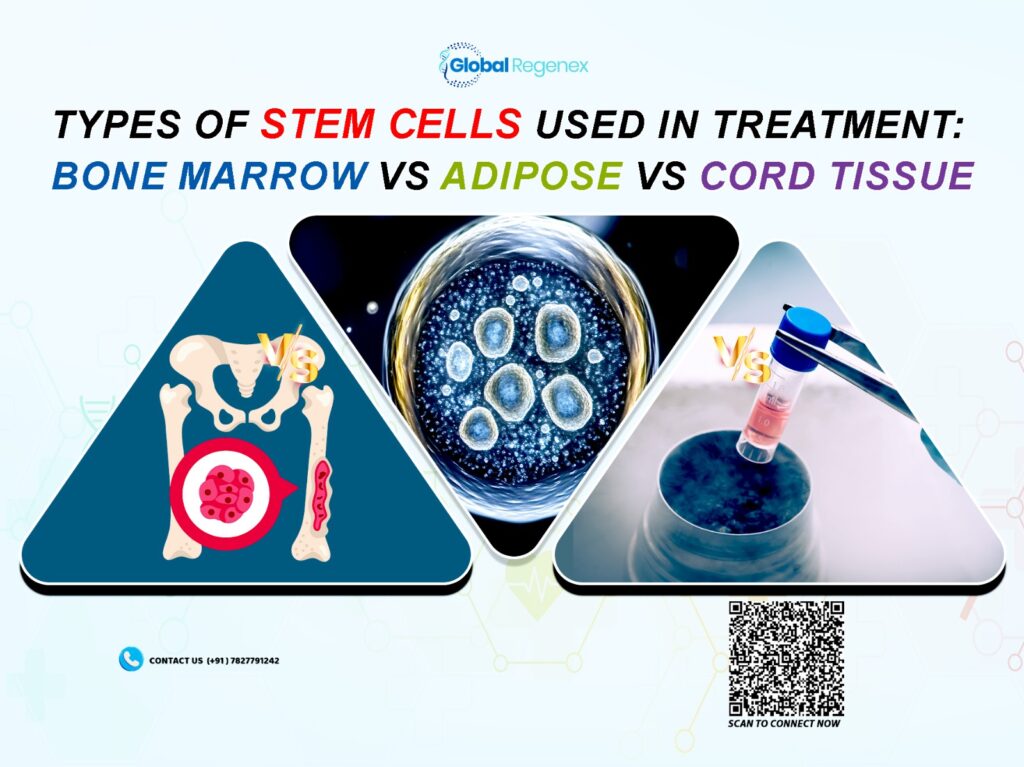
Summary: Stem cell therapy is advancing regenerative medicine through tissue repair, immune modulation, and clinical research. Different stem cell sources, including MSCs and umbilical cord cells, continue supporting evidence-based therapeutic applications in modern healthcare. In today’s world of medicine, regenerative medicine practices are becoming more popular due to their ability to restore and regenerate human tissue that has been harmed. Regenerative medicine is concerned with the treatment and restoration of health conditions by restoring and regenerating human cells, tissues, and organs using biological procedure instead of surgical replacement The application of stem cell therapy is common because of the capability of stem cells to become specific cells and participate in the natural repair process. Recently, stem cell therapy has been shifting from experimentation to evidence-based practice based on controlled trials and regulatory guidance. Understanding Stem Cells: A Clinical Overview Stem cells are described as undifferentiated cells that have the ability to reproduce and become other types of differentiated cells. They are very important in medical practice because they have the potential to help in the process of tissue repair and regeneration, and they can even modulate inflammatory responses. These are some of the reasons why stem cells are highly researched and sought after in regenerative medicine. Examples of common stem cells utilized for treatment purposes are adult stem cells, perinatal stem cells, and mesenchymal stem cells (MSCs). While adult stem cells can be derived from bone marrow or fat tissue, perinatal stem cells are extracted from umbilical cord tissues. On the other hand, mesenchymal stem cells are extensively investigated because of their regenerative anti-inflammatory, and immune-modulating effects. Stem Cells That Has Been Used in Various Treatments Use of stem cells in regenerative medicine has become more common because of research conducted and the types of stem cells available. Differentiating the types of stem cells used in regeneration is done based on regenerative potential, compatibility with tissues, and specific uses. In current medical research, researchers try to figure out how different stem cells could help in regenerating tissues and improving patients’ health through specific conditions. Below are some of the stem cells widely used in therapy: Induced Pluripotent Stem Cells: iPSCs are stem cells obtained from adult cells and reprogrammed to develop into different cell types. They are widely used in disease models. Mesenchymal Stem Cells: MSCs are commonly studied because of their anti-inflammatory, immunomodulating, and repair properties. Adipose Tissue Stem Cells: The former is defined by cells that are derived from adipose tissue and commonly used in research pertaining to orthopedic medicine and regenerative medicine. Umbilical Cords Stem Cells: The latter is defined by cells that are collected from umbilical cords right after birth and have low immunogenic properties and regeneration abilities. Bone Marrow Stem Cells: Bone marrow cells are commonly used in hematology as well as in bone marrow transplants because of their hematopoietic qualities. Differentiate Between Bone Marrow Vs Adipose Tissue Vs Cord Tissue Stem Cells Feature Bone Marrow Stem Cells Adipose Tissue Stem Cells Cord Tissue Stem Cells Source Bone marrow Fat tissue Umbilical cord tissue Collection Method Invasive aspiration procedure Minimally invasive liposuction Collected after birth Cell Yield Moderate High Moderate to high Age Influence Cell quality may decline with age Less affected by aging Young biological profile Clinical Focus Blood disorder and regeneration Orthopedic and regenerative use Immune modulation and tissue repair Immunogenicity Moderate Low Very low Research Interest Long-established Rapidly growing Increasing in regeneration medicine Safety, Ethics, and Regulatory Considerations in Stem Cell Therapy Increased usage of regenerative medicine has made it crucial to maintain high levels of safety, ethics, and regulation in the practice of clinical medicine. The field of stem cell treatment is one of the fields that have seen tremendous developments within the recent past. This means that there is a need to regulate its responsible use in order to ensure the health of patients and maintain scientific integrity. Safety for Patients: The stem cell process needs to be performed in a qualified medical environment where there is an appropriate screening and monitoring process in place. Evidence-Based Practice: The clinical treatment that has scientific evidence and support is essential to increase credibility. Ethical Procurement of Cells: Stem cells need to be extracted using the right process involving the approval from the patient or donors themselves. Regulation Process: There are health regulations involved to ensure quality in laboratory processing, storage, and treatments. Risk Involved: There might be certain risks associated with the procedure including infections immunity reactions, or clinical effects. Final Thoughts Stem cell therapy is still influencing the future of regenerative medicine due to clinical investigations that enhance use of evidence-based approaches in treatments. Various types of stem cells, such as those from bone marrow, fat tissues, and umbilical cord tissue, have different biological characteristics that may be helpful in specific medical application. Stem cell therapy requires that the selection of various types of stem cells be made based on their potential to help patients recover and their suitability within an ethical and regulated environment. Questions That Are Frequently Asked Q1. Why are stem cells relevant to regenerative medicine? Ans: Since they have the potential of assisting with natural body healing mechanisms, tissue regeneration, and even immune system modulation in many clinically based applications. Q2. What is the difference between bone marrow stem cells and fat-derived stem cells? Ans: Bone marrow cells are studied extensively, whereas fat-derived stem cells have greater production rates and less invasive methods of collection. Q3. Are stem cells collected from the umbilical cords obtained in an ethical manner? Ans: Yes, stem cells from umbilical cords are obtained post-birth via legal procedures with informed consent of parents. Q4. Are all treatments involving stem cells scientifically validated? Ans: No, not all treatments have full scientific proof, hence the need for further clinical studies. Q5. Where do we obtain stem cells for treatment purposes? Ans: They may be acquired through bone marrow, adipose tissue, peripheral blood, or umbilical cord tissue. ____________________________________________________________________________ References FDA – Regenerative Medicine Consumer
Stem Cell Therapy Innovations Transforming Healthcare in 2026
Summary: Regenerative medicine is evolving rapidly in 2026 as stem cell research, AI integration, and biotechnology innovation continue transforming personalized healthcare, tissue repair, and future treatment possibilities across multiple medical and scientific fields worldwide. Modern healthcare is undergoing an accelerated change with stem cell therapy paving the way towards repairing injured tissue and addressing many conditions. In the year 2026, there will be another important milestone when it comes to the development of stem cell therapy. It will be associated with the acceleration of investments, advancements in research due to AI, and the increasing popularity of this type of therapy among healthcare providers. In general, nowadays healthcare institutions tend to pay increased attention to personalized treatment plans that could provide better results and long-term health management. Based on the current market tendencies, the growth in the global regenerative medicine market is expected to increase significantly due to the rising demand for personalized healthcare services. Major Stem Cell Therapy Innovations in 2026 The era of innovation for the regenerative medicine sector will come to fruition in 2026 through improvements in AI, biotechnology, and precision health care. Scientists and health care organizations are working towards creating innovative stem cell treatments that will be able to effectively target tissue repair and chronic diseases in patients. AI-Based Stem Cell Research Advances in AI technologies can make the process of analyzing the actions of stem cells and their treatments more accurate. Machine learning technologies can increase efficiency in the development of drugs and regenerative medical treatments. Automation of labs will allow scientists to develop treatments for patients more effectively. Patient-Centric Stem Cell Treatments Patient-specific treatments have become an essential element of precision medicine. Custom regenerative methods may decrease the risk of rejecting treatment. Medical institutions are concentrating on developing personalized treatments. Gene Editing in Combination With Stem Cells CRISPR technology holds a lot of promise for regenerative medicine. The scientific community is looking into using gene editing to correct genetic issues. It is imperative to adhere to ethical guidelines and regulations. 3D Printing and Tissue Engineering Scientific investigations are focusing on using bioengineered tissues in the medical field. Tissue engineering might enable researchers to explore organ transplants in a new way. Biotechnology firms and hospitals are still interested in developing regenerative medicine. Stem Cell Therapy Through Exosomes Research suggests that exosomes have regenerative properties. Scientists are analyzing their potential use in accelerating the recovery process. Global Market Trends and Industry Growth The global stem cell therapy market is poised to grow in 2026 as regenerative medicine becomes a topic of great interest for the healthcare providers, biotech companies, and research institutions. The growing need for precision and personalized medicine has encouraged the investments in stem cells and technology. Global Stem Cells Market Prediction For 2026 The field of regenerative medicine is witnessing steady market growth owing to growing research and increasing awareness among healthcare organizations about the stem cell treatments. Trends In Biotechnology Investment in 2026 Strong biotechnology investment trends are seen in 2026 as the pharmaceutical industry, venture capitalists, and healthcare organizations invest heavily in regenerative medicine innovations. AI-driven platforms and automation technologies have been making the process of developing drugs and stem cells faster. Stem Cells Innovation Pioneering Nations The nations at the forefront of stem cell innovation include countries like the United States, Japan, South Korea,India, and Germany. Moreover, other healthcare industries in Asia are flourishing due to government and private investments. Healthcare Start-Ups and Innovations in Research Facilities New healthcare start-ups and research facilities are concentrating on tissue engineering, personalized medicines, and regenerative medicine. Collaboration across nations between companies and hospitals has been ongoing regarding stem cell research. Diseases Being Treated By Stem Cell Therapy The use of stem cells in therapeutic treatment is being investigated for their possible use. In the field of regenerative medicine and healthcare applications, stem cell therapy is the best modern medical approach for positive results. Various scientists around the world are studying the possible ways in which stem cells can assist in the treatment of various diseases and provide a better quality of life. Many new therapies using stem cells are still being tested clinically, but the field has continued to grow at a rapid pace. Orthopaedic Conditions: Joint injuries, spinal cord injuries, osteoarthritis, sports injuries, etc. Neurological Disorders: Parkinson’s disease, stroke, cerebral palsy, etc. Anti-Aging: Cell regeneration, healthy aging research, major skin injuries, hair loss, etc. Organ Diseases: Liver, heart, kidney, lung, etc. Infertility: Male infertility and female infertility. Eye Problems: Optic nerve atrophy, glaucoma, retinopathy, retinitis pigmentosa, etc. Autoimmune Disorder: Rheumatoid arthritis, diabetes, lupus, etc The Bottom Line The application of stem cell therapy has continued to play a significant role in the evolution of regenerative medicine into the year 2026. Although some uses have yet to be confirmed clinically, more and more opportunities are being made available in the medical field because of increased global investment and scientific discoveries. The application of stem cell therapy has continued to play a significant role in the evaluation of regenerative medicine in 2026. Although some uses have yet to be confirmed clinically, more and more opportunities are being made available in the medical field because of increased global investment and scientific discoveries. Question That Are Frequently Asked Q1. What is CRISPR in Stem Cell Therapy? Ans: CRISPR is a form of gene editing technique being studied for the purpose of fixing genetic defects as well as enabling advanced studies on regenerative medicine worldwide. Q2. What are exosomes in stem cell therapy? Ans: Exosomes are cell-free regenerative treatments that are currently being studied for tissue regeneration, immune modulation, and recovery-based medical purposes. Is stem cell therapy future medicine? Yes, many people regard regenerative medicine as a promising field in medicine since research and innovations keep growing in various countries. Q3. Is stem cell therapy future medicine? Ans: Yes, many people regard regenerative medicine as a promising field in medicine since research and innovation keep growing in various countries. Q4. Why do stem cells stand out
How Our Experts Ensure Safe & Ethical Stem Cell Treatment?
Summary: Stem cell therapy requires strict safety, ethical sourcing, and medical supervision. Unregulated procedures pose risks, making evidence-based regenerative medicine and compliance with regulatory standards essential for patient protection and trustworthy outcomes. As awareness for stem cell therapy grows worldwide, people are also getting aware about dangers involved in using unethical clinics and the treatment methods being used. Choosing a stem cell clinic based on the outcome alone will do the patients no favors. Because choosing an ethical stem cell clinic means that one considers the safety of the process along with other factors. This is where Global Regenex differs from others. At Global Regenex, our team of doctors believes in putting the needs of the patient first by ensuring that there is proper science and clinical practice in their procedures. Why Safety & Ethics Matter in Stem Cell Therapy? Regenerative medicine is becoming an increasingly significant field which attracts the attention of many researchers and experts. They want to explore stem cell therapy for its potential benefits regarding healing processes and treatment of various diseases. Along with this development of the field, numerous dangers and risks associated with possible manipulation with patient’s health appear and require particular considerations on their behalf to prevent future problems. Developments of Regenerative Medicine Worldwide Increasing interest in regenerative medicine throughout the world has opened up many opportunities for people in need of innovative medical help for different diseases and injuries. Possible Dangers Connected with Irregular Application of Stem Cells Irregular application of stem cells can become dangerous because of infection, contaminated or low-quality material used for injections, or non-medically controlled procedures. Need for Medically Supervised Therapy The importance of medically supervised stem cell therapy is to guarantee the proper screening, consultation, and treatment plan of the patients according to the latest clinical research findings. Ethical Issues Surrounding Stem Cell Sources Ethical collection of stem cells still plays an important role in responsible use of regenerative medicine. Legitimate clinics always observe ethical procedures for the collection and processing of stem cells as well as informed consent from their patients. FDA & Global Standards Compliance Reputable regenerative medicine specialists abide by the accepted norms in the field of medicine and follow FDA or other international standards for healthcare, if any. Ethical clinics never make unrealistic promises to their patients. Why Patients Trust Global Regenex for Safe & Ethical Stem Cell Therapy? With increasing attention towards regenerative medicine, patients have become choosy about receiving stem cell treatments. The creation of trust is achieved through medical transparency, ethical integrity, and a commitment to patient safety. Every approach at Global Regenex focuses on the importance of evidence-based treatment, personalized approach, and responsible practice. The emphasis is always made to assist our patients in making better decisions when it comes to their health in line with the principles of regenerative medicine. Patient-First Philosophy: The patient-first philosophy is adopted by Global Regenex, which stresses safety, education, comfort, and setting realistic expectations at every step of the process. Medical Transparency: Patients are given complete information related to the treatment procedure, its advantages, limitations, and possible outcomes to be able to make an informed decision. Personalized Treatment Plans: Each client is subjected to an extensive medical examination before a treatment plan using regenerative medicine can be formulated to suit his/her case. Ethical Responsibility: Ethical considerations will always play a key role in the clinic, including the use of ethically sourced stem cells, obtaining informed consent, and complying with medical practice guidelines. Patient-Safe Procedures: The clinic places a lot of emphasis on procedures that promote safety and ensure quality control for the safety of patients undergoing stem cell therapy. How We Stay Updated With Regenerative Medicine Advancements? At Global Regenex, we feel that responsible use of regenerative medicine means constant learning and scientific consciousness. The staff remains updated regarding new developments in regenerative medicine by undergoing ongoing medical education, gaining clinical experience, and reading up about regenerative medicine studies. We keep ourselves abreast of developments in stem cell research, treatments, and patient safety standards. By remaining scientifically conscious and making progress in our professions, we can achieve both high standards and adaptability in regenerative medicine in line with medical knowledge. Bring It All Together With further development of the field of regenerative medicine, patients deserve to receive treatment in a way that is safe and ethical. Global Regenex continues to uphold the principles of scientifically based stem cell treatments, medically sound procedures, and individually focused treatments. By continuing our research efforts, practicing ethical standards, and providing medically supervised treatment, we hope to promote responsible healthcare practices. Contact us now and check it by yourself. Question That Are Frequently Asked Q1. What are the potential dangers associated with unregulated stem cell treatment? Ans: The possible dangers include infection, immune response, contamination, substandard results, and lack of medical validation or oversight of treatments. Q2. Why is medical oversight important? Ans: Medical oversight ensures that treatments have a proper assessment of a patient, procedures that are safe, diagnostic processes, and constant monitoring. Q3: How does one define ethical stem cell sourcing? Ans: Ethical stem cell sourcing involves acquiring stem cells in an appropriate manner with consent, transparency, and adherence to medical guidelines and regulations. Q4. What should the patients do before beginning a treatment? Ans: It is imperative for the patients to verify their clinics’ qualifications, oversight, medical evidence, ethical approach, and legality before initiating treatment. Q5. Why should you select a reputable stem cell clinic? Ans: Selecting a reputable stem cell clinic ensures that you obtain quality treatment in a reliable facility above anything else. References FDA – Cellular & Gene Therapy Overview Regulatory guidance ensuring safety standards for cell-based medical therapies FDA Cellular & Gene Therapy Products NIH Stem Cell Information Trusted national resource explaining stem cell science and ethics clearly NIH Stem Cell Information ClinicalTrials.gov Registry Database listing registered clinical trials including stem cell studies worldwide ClinicalTrials.gov WHO Health Topics – Biotherapeutics Global health guidance on biological therapies and regenerative medicine safety
Complete Guide for International Patients Traveling to India for Treatment

India offers affordable, advanced, and patient-focused healthcare with experienced specialists, modern hospitals, shorter waiting times, and growing regenerative medicine services, making it a trusted destination for international medical tourism and stem cell therapy. Currently, India stands as one of the most preferred nations for receiving medical tourists around the globe with almost two million foreign patients visiting the country annually. This can be attributed to its well-equipped hospitals and skilled healthcare professionals who provide affordable and efficient healthcare services to patients from Africa, the Middle East, Europe, and Asia who seek advanced medical procedures like stem-cell therapy. The greatest benefit associated with receiving medical care in India is the low costs compared to that in many Western nations. Other benefits include reduced waiting periods, availability of advanced technology, as well as personal care for patients. Moreover, there are medical professionals who speak English. Why Do International Patients Choose India for Medical Treatment? In the past years, India has managed to establish itself as a country that provides international patients with high-quality medical care services. India integrates its well-equipped healthcare facilities, professional specialists, affordable treatment, and patient-oriented services. The patients seek stem cell therapy and other advanced medical treatments from India due to their ability to obtain medical attention, personalized services, and admission to internationally accredited healthcare facilities in one healthcare setting. Affordable Healthcare in Comparison with the West Healthcare services cost less in India than in developed countries such as America, the UK, and Canada. The patients are able to access advanced medical facilities at much cheaper prices without compromising on quality. Affordable accommodation and rehabilitation services further reduce the costs associated with health services. Well-Known Doctors & Specialists Indian doctors are known for their clinical skills and vast years of experience. There is a good number of healthcare professionals who have received their education overseas. Specialists from various departments come up with personalized treatment approaches. Modern Hospital & Advanced Medical Equipment Hospitals of India are equipped with innovative diagnostic equipment, robots, and advanced treatment technology. International medical standards and norms are followed by many clinics. Specialized departments in regenerative medicine and stem cell therapy keep growing. Short Waiting Time Consultations, diagnoses, and appointments are given quickly. Access to healthcare professionals makes decisions and treatments timely. International Patients’ Care Hospital staff provide support regarding transportation, accommodation, medical visa arrangements, and aftercare programs. Doctors and other medical professionals speak English fluently. Personalized patient services are provided for the convenience of foreign patients. Most Popular Treatments International Patients Seek in India India draws foreign patients seeking various medical solutions and complementary therapies. The country has gained a reputation for offering expert physicians, latest medical technology, and reasonable treatment plans in many fields. Many foreign patients visit India for their disease management needs, rehabilitation assistance, and regenerative medical procedures like stem cell therapy under expert supervision. Orthopedic Disorders Various patients are known to undergo treatment for disorders such as osteoarthritis, sports injuries, spinal disorders, joint pains, etc. Orthopedic treatments, rehabilitation courses, and regenerative treatments are accessible. Infertility and Reproduction Many patients prefer to get infertility and reproduction assistance in India. Specifically designed fertility centers treat patients based on individual cases. Autoimmune Diseases Foreign patients consider supportive treatments for autoimmune disorders including rheumatoid arthritis, lupus, and multiple sclerosis. A multidisciplinary approach contributes to better symptom relief and improved quality of life. Anti-Aging & Wellness Therapies Regenerative and wellness-based treatments are gaining popularity in patients who require anti-aging care services. Wellness programs are personalized towards achieving recovery, enhancing vitality, and preventive measures. Organ-Specific Diseases Diseases affecting the liver, kidneys, heart, brain, lungs, and other organ-specific issues are sought after. Specialized treatment is provided in India with state-of-the-art diagnosis and expert doctors. Eye Disorders Patients opt for various treatments concerning retinal disease, cornea, cataract, and other vision problems. Advanced eye centers offer comprehensive surgical and nonsurgical eye treatments. Global Regenex — Best Stem Cell Therapy Centre In India Global Regenex is known for providing innovative treatments in the field of regenerative medicine and stem cell therapy with a focus on the individual needs of patients. At Global Regenex, there is an integration of modern healthcare facilities, medical expertise, and customized treatment programs for local and foreign patients interested in supportive treatments of certain conditions. Focus on regenerative medicine and highly specialized stem cell treatments Medical experts and multidisciplinary health services team Customized treatment plan according to patient’s ailment and diagnosis State-of-the-art facilities with modern medical equipment Facility for international patients including consultation and post-treatment care Supportive treatments for orthopedic, neurological, autoimmune, and wellness issues It is recommended that interested patients first consult our physicians to be advised about the suitability and effectiveness of the therapy. Let’s Tie It All Together The Indian medical tourism industry continues to solidify itself as a destination that offers reliable healthcare at competitive prices. With qualified doctors, state-of-the-art facilities, and patient-focused care, foreign visitors have access to reliable healthcare services across different branches of medicine such as stem cell therapies and regenerative medicine. Questions That Are Frequently Asked Q1. Is stem cell treatment available in India? Ans: Yes, there are numerous specialized clinics offering stem cell treatment and regenerative medicine in India under professional medical supervision and assessment. Q2. Why do people from abroad prefer medical care in India? Ans: The cost-effective health care, experienced professionals, state-of-the-art hospitals, quick access to treatments, and additional assistance for foreign patients make India an ideal destination for medical care. Q3. Is medical care provided at lower prices in India? Ans: Indian health care is considerably cheaper than Western health care without compromising on the infrastructure and professionals. Q4. Are international patients assisted by the hospitals in India? Ans: Yes, various hospitals in India offer visa help, airport pick-ups, hospital admission, interpreters, and post-surgery arrangements for the convenience of international patients. Q5. Are state-of-the-art medical facilities used in Indian hospitals? Ans: Yes, hospitals in India have state-of-the-art diagnostic tools, modern operating theaters, latest regenerative medicine procedures, and international standards of patient care References National
Autoimmune Diseases & Stem Cells: A New Treatment Approach

Summary: Autoimmune diseases cause chronic immune attacks on healthy tissues. Stem cell therapy and regenerative medicine are being researched for immune regulation, inflammation reduction, and tissue repair under professional medical supervision. The number of people affected by autoimmune diseases across the globe is increasing, resulting in suffering from chronic inflammatory processes and immune disorders. Although standard medical therapies might help reduce the symptoms of such diseases, some patients may continue suffering from side effects and complications associated with the treatments. It is one of the reasons for discussing the potential use of regenerative medicine and stem cell therapy. Scientists are investigating ways stem cells could be used in balancing the immune system in particular cases of autoimmune diseases. Stem cell therapy is a developing field where success can depend on an individual patient. What Are Autoimmune Diseases? An autoimmune disorder is a condition where the immune system fails to protect the body from various diseases by attacking its own healthy cells. Such disorders can cause problems like chronic inflammation, damage to organs, fatigue, and other serious health issues. Some experts suggest that genetic factors along with environmental elements, such as infectious agents, smoking, stress, etc., are responsible for causing autoimmune disorders. Some common examples of such diseases are rheumatoid arthritis, lupus, psoriasis, multiple sclerosis, Crohn’s disease, and diabetes. Millions of people across the globe suffer from some kind of autoimmune disorder. How Stem Cells May Help Autoimmune Diseases? Stem cell treatment is among the fields that have been examined as a form of regenerative medicine due to their possible application in the treatment of autoimmune conditions. The most intriguing type of stem cell under investigation includes Mesenchymal Stem Cells (MSCs) that can help in controlling abnormal immune responses and promoting tissue regeneration. Despite being still an area of ongoing research, studies show promising results so far. Immune modulation: The stem cells might also be able to modulate the immune response in the body via interactions with other immune cells such as T-cells, B-cells, and natural killer cells. Inflammation reduction: The stem cells might be involved in the reduction of the secretion of inflammatory cytokines that cause inflammation and auto-immune reactions. Tissue regeneration and repair: Some scientists are looking at the possibility of the stem cells being used to help repair the affected tissues including joints, nerve tissue, skin tissue, and intestinal tissue. Immune system reset: In some advanced treatments using stem cells, there is an effort to rebuild the immune system through this method. Cytokine regulation: The mesenchymal stem cells could be helpful in creating an anti-inflammatory cytokine environment that will improve the immune response in some patients. Types of Stem Cell Therapy Used in Autoimmune Conditions In relation to stem cell transplant in the treatment of auto-immune disorders, these can be broadly categorized into two types: autologous and allogeneic transplants. The former is under consideration in regenerative medicine for treating certain individuals suffering from chronic and hard-to-treat auto-immune disorders. Autologous Stem Cell Transplant The autologous transplant involves the use of stem cells derived from the patient itself through bone marrow extraction or blood transfusion prior to the treatment. The process involves suppressing the immune system followed by the introduction of stem cells. Lower chances of immune rejection Can aid in resetting abnormal immune reactions Mostly tested on cases of serious autoimmune disorders Recovery takes several weeks to months based on health conditions Allogeneic Stem Cell Transplant This type of transplantation involves the use of stem cells from a compatible donor. The goal here is to substitute malfunctioning immune cells with healthier ones. Strong immune system replacement can be achieved Graft-versus-host reactions and increased susceptibility to infections possible Recovery may be lengthy and requires careful monitoring Compatibility and extent of disease determine its applicability Potential Benefits of Stem Cell Therapy for Autoimmune Diseases The evolution of regenerative medicine techniques has sparked further interest into using stem cells to assist in the treatment of autoimmune disorders. The research regarding the use of stem cells in modulating the body’s immune system and promoting regeneration is still ongoing. Symptom Relief: Helps in reducing chronic pain and fatigue associated with autoimmune diseases. Increased Movement Ability: Some patients may experience enhanced physical capabilities and flexibility. Less Inflammation: Possible positive influence on the body’s immune responses and decreased inflammation. Enhanced Quality of Life: Can improve the overall quality of life of the patients. Decreased Drug Dependence: Certain patients may not need many medications as before. As Has Been Demonstrated, As more studies have been done on regenerative medicine, stem cell therapy is becoming increasingly popular because of its use in dealing with autoimmune conditions. It can help restore immune balance and reduce inflammation in the body, but since it is still a relatively new technique, results may differ from patient to patient. Questions That Are Frequently Asked Q1. Is stem cell therapy approved for all types of autoimmune diseases? Ans: Currently, not all autoimmune diseases can benefit from stem cell therapies since the field is relatively new. Q2. Are there any risks involved with stem cell therapy? Ans: Risks may be linked to infections, allergic reactions, side effects, and varying outcomes based on the recipient’s overall health condition. Q3. Which people need to consider stem cell therapy as a treatment option? Ans: People dealing with autoimmune diseases in which conventional methods are inefficient should talk to medical and transplantation specialists about this therapy. Q4. What autoimmune diseases are under study with stem cell therapy? Ans: Multiple sclerosis, lupus, rheumatoid arthritis, Crohn’s disease, psoriasis, and type 1 diabetes are among autoimmune diseases that scientists focus on. Q5. How can chronic inflammation affect your health? Ans: Inflammation can cause organ, joint, nerve, or tissue damage, resulting in such symptoms as fatigue, discomfort, decreased mobility, etc. References NIH Stem Cell Information – Explains stem cells, research applications, and regenerative medicine basics. NIH Stem Cell Information MedlinePlus Autoimmune Diseases – Overview of autoimmune diseases, symptoms, causes, and immune dysfunction. MedlinePlus Autoimmune Diseases NIEHS Autoimmune Diseases – Discusses immune system